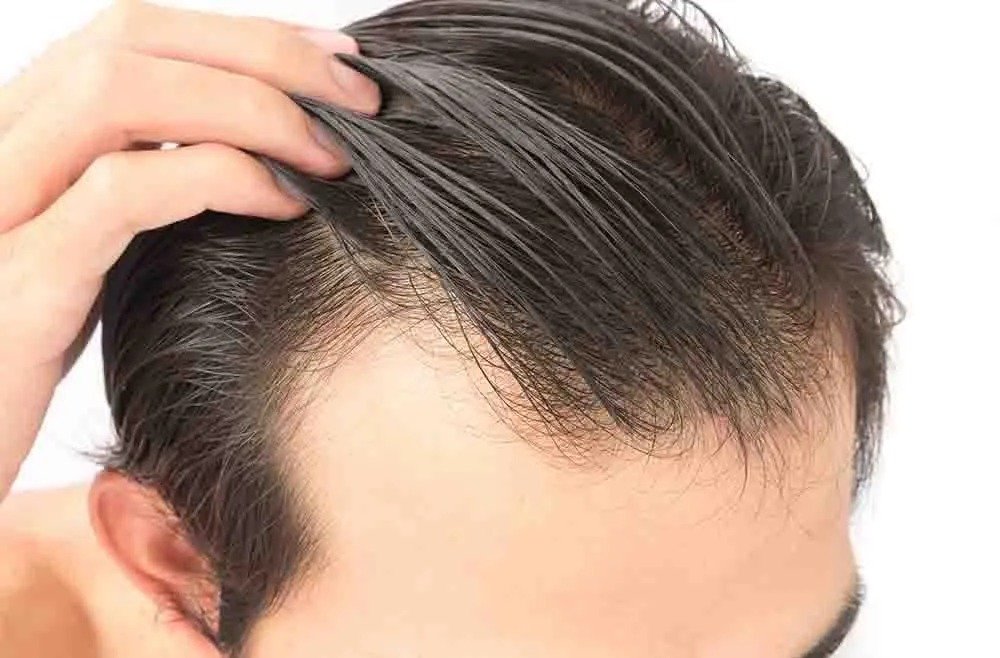
A natural-looking hairline is one of the most important elements in achieving a convincing appearance with modern hair restoration. Whether hair loss has affected the frontal region, temples, or overall scalp coverage, the way the hairline is designed can strongly influence facial balance and the final visual effect. This is why Hair Replacement in Dubai involves more than simply adding coverage to areas where hair appears thin.
A well-planned hairline considers several factors, including facial proportions, age, existing density, hair characteristics, and the pattern of ongoing hair loss. The objective is generally to create a transition that looks gradual rather than sharply defined. The direction, spacing, and placement of hair can also affect how natural the result appears under different lighting and viewing angles.
Modern approaches to hair replacement can include surgical and non-surgical solutions, depending on the individual's pattern of hair loss and treatment goals. Surgical restoration may involve follicular graft placement, while non-surgical systems can provide immediate cosmetic coverage without surgery. A detailed consultation is therefore important before selecting a specific approach.
Dubai has a wide range of medical and aesthetic providers offering hair restoration services. Comparing consultation methods, clinical expertise, treatment technologies, safety protocols, and aftercare can help patients understand which approach is appropriate for their needs.
Dynamic Life Clinic
Dynamic Life Clinic provides hair restoration and aesthetic services with treatment planning tailored to individual concerns. For someone considering Hair Replacement in Dubai, the consultation process can help determine whether surgical restoration, non-surgical replacement, or another approach is more appropriate.
Natural hairline planning typically considers the patient's existing hair pattern and facial structure rather than applying the same design to every person. Factors such as temple recession, frontal density, hair texture, and anticipated future loss can all influence the treatment plan.
Emirates Hospital
Emirates Hospital offers a broad range of medical services and can be considered by patients seeking professional evaluation for hair and scalp concerns. A clinical assessment is useful when determining whether visible thinning is related to hereditary hair loss, another scalp condition, or a combination of factors.
For hair replacement, a natural appearance depends on more than the number of hairs or coverage achieved. The transition zone at the front should complement the patient's facial features, while density should remain consistent with the available donor or replacement resources.
Cocoona Clinic
Cocoona Clinic is known for cosmetic and aesthetic treatments, including services associated with hair restoration. Patients exploring Hair Replacement in Dubai may benefit from discussing their preferred appearance, lifestyle requirements, and expectations during the consultation.
Hairline design can vary considerably between individuals. A softer frontal edge may be appropriate for some patients, while others may require a different configuration because of their facial proportions or existing pattern of loss. The choice of technique should therefore follow an individualized assessment.
Al Zahra Hospital Dubai
Al Zahra Hospital Dubai provides multidisciplinary healthcare services and may be relevant to individuals seeking medical assessment before pursuing hair restoration. A thorough evaluation can help identify the extent and cause of hair loss before a cosmetic treatment is selected.
A natural-looking hairline also requires attention to symmetry. Small differences between the two sides of the forehead are normal, and attempting to create an excessively geometric hairline may make the result appear artificial. Professional planning generally takes natural facial variation into account.
Enfield Royal Clinic
Enfield Royal Clinic provides hair restoration services with an emphasis on individualized treatment planning. For patients considering Hair Replacement in Dubai, the hairline assessment can focus on facial proportions, the degree of recession, existing density, and the desired overall appearance.
The design of a frontal hairline requires careful consideration of age and long-term hair-loss patterns. A hairline that appears suitable at a younger age may not remain proportionate if surrounding hair continues to thin. During consultation, patients can discuss these considerations alongside the available restoration techniques and expected recovery.
Naturalness also depends on how the hair is positioned. Direction, angle, spacing, and density need to work together so that the frontal region transitions progressively into the rest of the scalp. The appropriate approach varies according to whether the patient is considering a surgical procedure, a hair system, or another replacement method.
King’s College Hospital London Dubai
King’s College Hospital London Dubai provides specialist healthcare within a hospital setting and may be considered by individuals seeking assessment for medical or dermatological aspects of hair loss. Understanding the underlying pattern can be important before pursuing cosmetic replacement.
For patients with progressive thinning, the future direction of hair loss may influence hairline planning. A consultation can therefore address current appearance as well as the broader pattern of change. This can help patients develop realistic expectations about coverage and maintenance.
Tajmeels Clinic
Tajmeels Clinic offers aesthetic and cosmetic procedures, including options related to hair restoration. Individuals researching Hair Replacement in Dubai can use a consultation to discuss the distinction between replacing visible coverage and restoring growing follicles.
The visual quality of a hairline is influenced by hair calibre, colour contrast with the scalp, natural growth direction, and the amount of surrounding density. These details are particularly important around the frontal edge because this area is visible and contributes significantly to facial framing.
Dubai Cosmetic Surgery Clinic
Dubai Cosmetic Surgery Clinic provides cosmetic surgery and aesthetic treatments and may be relevant to individuals investigating surgical hair restoration options. During an assessment, patients can discuss the condition of the donor area, the extent of thinning, and the type of result they hope to achieve.
A carefully planned hairline should also be compatible with the patient's existing facial characteristics. The goal is not necessarily to create the lowest possible hairline, but to establish a proportionate transition that remains appropriate as the person ages.
How to Choose the Right Clinic for Hair Replacement in Dubai
Choosing a provider requires more than comparing treatment names. Patients should evaluate the clinical experience and qualifications of the professionals involved, particularly when surgical restoration is being considered. Understanding who performs each stage of treatment can provide useful insight into the level of clinical oversight.
Technology and technique are also important. Different methods have different indications, limitations, recovery requirements, and maintenance considerations. A reputable consultation should explain why a particular approach is being recommended rather than presenting one technique as suitable for everyone.
Safety standards deserve equal attention. Patients should ask about infection-control procedures, medical assessment, facility standards, anesthesia or pain-management protocols where applicable, and follow-up arrangements.
The consultation itself can reveal how individualized the treatment plan is. A thorough assessment should consider the pattern and cause of hair loss, scalp condition, facial proportions, existing density, and realistic expectations.
Patient experience also extends beyond the treatment day. Clear pre-treatment instructions, accessible aftercare, scheduled reviews, and guidance about recovery can make the process easier to manage.
Finally, expected results should be discussed realistically. Depending on the chosen method, some solutions provide immediate cosmetic coverage while surgical approaches generally involve a longer period before the final appearance becomes apparent. Maintenance may also be necessary for certain replacement systems or ongoing hair-loss conditions.
Frequently Asked Questions
What makes a hairline look natural?
A natural hairline usually depends on gradual density, appropriate placement, correct hair direction, suitable angles, and proportions that complement the individual's face. An overly straight or dense frontal edge can appear less natural.
Can hairline design be customized?
Yes. Hairline design can be adapted according to facial structure, age, existing hair pattern, hair characteristics, and the individual's treatment goals. The appropriate design should be established during a professional assessment.
Is hair replacement always a surgical procedure?
No. Hair replacement can refer to both surgical and non-surgical approaches. Surgical restoration relocates follicles, while non-surgical systems can provide cosmetic coverage without follicular surgery.
How long does it take to see the final appearance?
The timeline depends on the selected treatment. Non-surgical replacement can provide an immediate cosmetic change, while surgical restoration requires healing and a longer growth cycle before the final result can be assessed.
Can a replacement hairline remain natural-looking as a person ages?
Planning for long-term changes is important. If natural hair continues to thin, a hairline designed without considering future loss may become less proportionate. This is why age, existing density, and the anticipated progression of hair loss should be discussed during consultation.
Conclusion
A natural hairline is shaped by careful planning rather than coverage alone. Facial proportions, hair characteristics, density, direction, technique, and long-term hair-loss patterns can all influence the final appearance. Patients researching Hair Replacement should therefore focus on individualized assessment, qualified clinical care, appropriate technology, realistic expectations, and structured aftercare. A detailed consultation can help determine which replacement or restoration approach fits the individual's anatomy, lifestyle, and desired aesthetic outcome.