In today’s fast-paced world, health-related issues can often arise unexpectedly, leading to the need for medical documentation. One such essential document is the GP Medical Certificate. Whether you're facing a short-term illness, need time off work, or are dealing with a personal health matter, a GP (General Practitioner) Medical Certificate can serve as proof of your condition. At Doccert, we understand the importance of these certificates, and we're here to guide you through the process of obtaining one.
What is a GP Medical Certificate?
A GP Medical Certificate is an official document issued by a licensed general practitioner (GP) that certifies the health condition of a patient. It serves as proof that the individual has been examined by a healthcare professional and is unfit for work or requires medical leave for a specified period.
It’s commonly requested by employers, insurance companies, or educational institutions when someone needs to take sick leave, make an insurance claim, or request an absence due to health reasons.
Why Do You Need a GP Medical Certificate?
There are several reasons why you might need a GP Medical Certificate:
Sick Leave: If you’re unable to attend work due to illness, your employer might request a medical certificate. It serves as evidence of your health condition and justifies your absence.
Insurance Claims: Health insurance providers or life insurers may require a GP Medical Certificate when you're making a claim related to illness, injury, or medical procedures.
University/School Absence: Educational institutions often require a medical certificate if a student misses an exam or class due to illness.
Legal Purposes: Sometimes, a medical certificate is needed in legal cases to support claims related to health or disability.
How to Obtain a GP Medical Certificate
To get a valid GP Medical Certificate, you typically need to follow these steps:
Consult Your GP: Schedule an appointment with your general practitioner, either in person or through a telemedicine service. During this consultation, the doctor will assess your symptoms, discuss your medical history, and may perform tests or a physical exam.
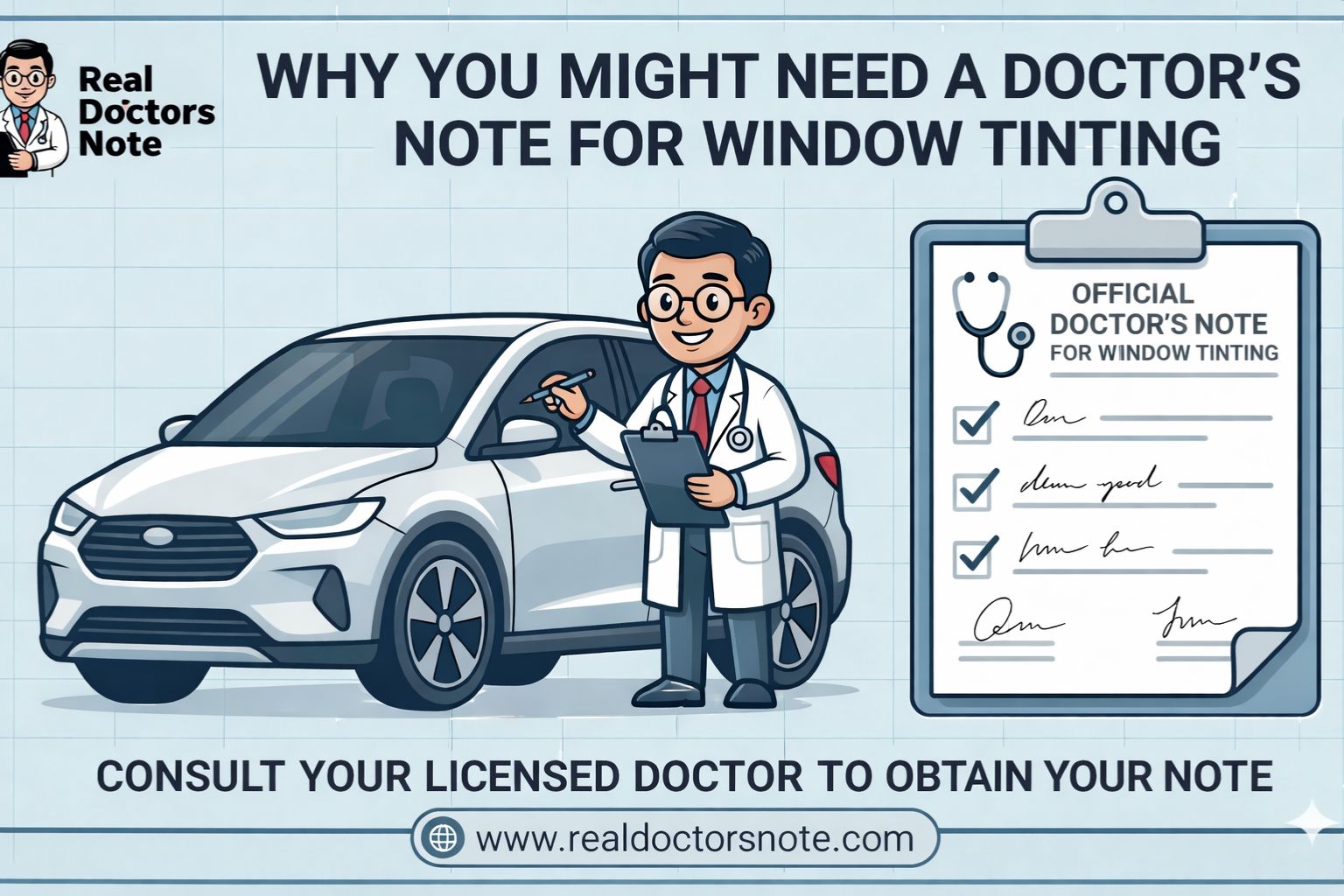
Request the Certificate: Once the doctor has diagnosed your condition and determined you are unfit for work or need medical leave, ask them for a medical certificate. The certificate will usually include:
Your name and date of birth
The date of your consultation
The diagnosis or health issue
The duration of your unfit-for-work status (e.g., number of days or weeks)
The doctor’s signature and medical registration details
Receive Your Certificate: After the consultation, the GP will issue a signed medical certificate. Many GPs now offer digital certificates that can be emailed or accessed through a secure online portal.
What Does a GP Medical Certificate Include?
A standard GP Medical Certificate should contain several key pieces of information to ensure it’s valid and accepted by employers, insurance companies, or educational institutions:
Personal Details: Your full name, date of birth, and any relevant medical details that the doctor may need to disclose.
<>Date of Consultation: The date you saw the doctor.
Diagnosis: The specific illness or condition diagnosed by the GP.
Recommendation: The doctor’s professional advice on the period of rest or treatment required. This could be a recommendation for time off work, a required treatment plan, or any other relevant information.
Validity Period: A clear indication of the duration for which you are unfit for work or require medical leave.
Doctor’s Information: The signature, registration number, and contact information of the doctor who issued the certificate.
Can You Get a GP Medical Certificate Without Seeing a Doctor?
In some cases, it may be possible to get a medical certificate without a physical consultation, especially with the rise of telemedicine. Many doctors now offer online consultations, allowing patients to discuss symptoms and receive a medical certificate remotely. However, this typically depends on the nature of the illness and the regulations in place in your country or region.
It’s important to note that even for online consultations, the doctor will need to be fully licensed and qualified to issue medical certificates. Make sure you are consulting through an accredited telemedicine platform.
When Can a GP Medical Certificate Be Refused?
While GPs are generally required to issue a certificate if they determine that you are unfit for work, there are situations where a medical certificate may be refused:
Inadequate Medical Evidence: If the doctor believes there’s insufficient evidence to support the claim that you’re unfit for work or need leave.
Not Following Medical Advice: If you are seeking a certificate for a condition that the doctor believes can be managed without taking time off.
Policy/Procedure Violations: In some cases, an employer or institution may have specific rules regarding how sick leave certificates should be issued. A doctor may refuse to issue a certificate if it doesn’t meet these requirements.
Why Choose Doccert for Your GP Medical Certificate Needs?
At Doccert, we understand that managing health documentation can be stressful. That’s why we strive to simplify the process for you. Our platform connects you with licensed healthcare professionals who can issue GP Medical Certificates after a thorough online consultation. Whether you need a certificate for work, school, or insurance purposes, we make the process quick, secure, and hassle-free.
Conclusion
A GP Medical Certificate is an important document that helps you manage your health-related absences in a professional and legitimate manner. Whether it’s for sick leave, insurance claims, or educational purposes, it’s essential to know how to obtain one and what it should include.
If you're in need of a GP Medical Certificate, Doccert offers an easy and efficient way to get the documentation you need from licensed medical professionals, all from the comfort of your home. Stay healthy, stay informed, and trust Doccert to help you navigate your medical documentation needs.