Introduction
The food and beverage industry is one of the world’s most dynamic and fast-evolving sectors. From plant-based alternatives to smart packaging and personalized nutrition, innovation continues to redefine how we produce, consume, and experience food. In this era of changing lifestyles and heightened health awareness, businesses are compelled to adapt to consumer needs, environmental priorities, and technological advances.
In this blog, we’ll explore the latest trends, challenges, and growth opportunities shaping the global food and beverage landscape — and how companies can stay ahead of the curve.
1. Innovation Driving the Industry Forward
Innovation is the heartbeat of the food and beverage industry. Whether it’s developing healthier snacks, reducing sugar and additives, or introducing functional foods that boost immunity, brands are continuously upgrading their offerings.
The rise of food tech startups has made it easier for companies to experiment with new ingredients, production methods, and sustainability practices. For instance, plant-based meat alternatives and dairy-free beverages are becoming mainstream, driven by changing consumer preferences. Technologies like AI and IoT are enabling precision production, helping manufacturers minimize waste and maintain quality consistency.
Businesses that embrace such innovations are not just meeting demand — they’re setting new industry standards.
2. The Power of Sustainability
Sustainability is no longer a buzzword — it’s a business necessity. Consumers are increasingly making purchasing decisions based on a brand’s environmental impact. From eco-friendly packaging to energy-efficient production, the modern food and beverage company must operate with responsibility.
Brands are now focusing on reducing carbon footprints, sourcing locally, and optimizing supply chains to minimize environmental damage. Circular economy practices, such as reusing waste and recycling packaging materials, are helping companies save costs while building consumer trust.
Sustainable innovation not only benefits the planet but also creates a competitive edge for businesses that lead with purpose.
3. Technology Transforming Food Production
The integration of technology has reshaped every aspect of the food and beverage value chain. From automated manufacturing lines to blockchain-based traceability systems, technology ensures safety, efficiency, and transparency.
Artificial Intelligence (AI) helps predict consumer trends, optimize inventory, and create data-driven product development strategies. Automation reduces human error and increases production capacity. Smart sensors and IoT devices help monitor temperature, hygiene, and quality in real time.
These advancements are allowing even small and mid-sized brands to compete with global giants by improving operational efficiency and product consistency.
4. Evolving Consumer Preferences
The modern consumer is health-conscious, informed, and digitally connected. They expect food and beverage brands to deliver not just great taste but also nutritional value and authenticity.
Functional foods rich in vitamins, probiotics, and proteins are in demand. Beverages infused with herbs, collagen, or adaptogens are gaining popularity for their wellness benefits. Moreover, clean-label products — those free from artificial preservatives or chemicals — are shaping purchasing habits.
Social media has also become a powerful influence. Consumers often discover new brands and trends online, making digital marketing and storytelling essential tools for growth.
5. The Rise of Private Label and Contract Manufacturing
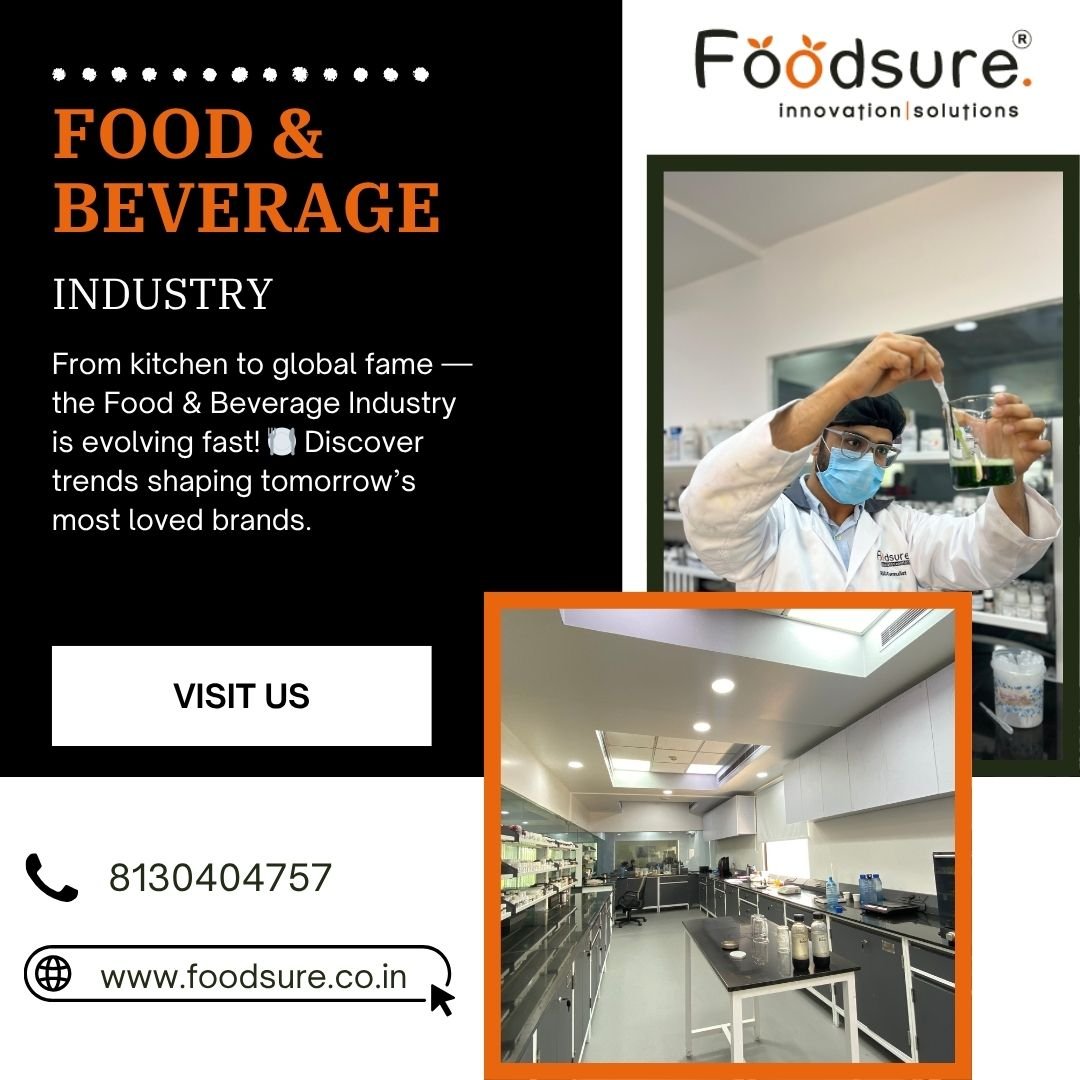
Many startups and entrepreneurs are entering the market without setting up their own production units. This has led to a boom in contract manufacturing within the food and beverage sector. Companies like Foodsure provide complete solutions — from product formulation to packaging — allowing new brands to focus on marketing and growth.
This model offers flexibility, scalability, and cost-effectiveness, helping emerging players compete efficiently while maintaining product quality.
6. Challenges the Industry Must Overcome
Despite its growth, the food and beverage industry faces several challenges. Rising raw material costs, supply chain disruptions, and regulatory compliance are constant hurdles. Additionally, maintaining food safety and managing consumer trust in an age of misinformation requires consistent communication and transparency.
Companies that proactively invest in R&D, sustainable sourcing, and digital transformation are better positioned to navigate these challenges and maintain long-term success.
7. Future Trends Shaping the Industry
The coming years promise exciting developments in the food and beverage world. Some key trends to watch include:
Personalized Nutrition: AI-driven meal plans and custom supplements tailored to individual needs.
Alternative Proteins: Lab-grown meat and insect-based proteins entering mainstream markets.
Smart Packaging: Interactive labels providing product info and freshness updates via QR codes.
Health-Driven Beverages: Functional drinks focusing on hydration, energy, and immunity.
Global Fusion Cuisine: A blend of international flavors appealing to diverse palates.
Adapting to these trends can help businesses stay relevant and attract modern consumers seeking innovation and authenticity.
8. Why Collaboration Matters
Partnerships between manufacturers, consultants, and brands are becoming the backbone of the modern food and beverage ecosystem. Collaboration enables innovation, helps share expertise, and fosters faster product development.
Working with experienced food consultants like Foodsure can help companies reduce time-to-market, ensure compliance with FSSAI or international standards, and develop commercially viable products that consumers love.
Conclusion
The food and beverage industry is at an exciting crossroads — balancing tradition with innovation, and taste with sustainability. Companies that embrace change, invest in technology, and prioritize consumer trust will lead the way forward.
Whether you’re a startup aiming to launch a new drink or a brand looking to reformulate your product line, the opportunities are endless if guided by the right expertise and vision.