From Telegraphs to Transmitters: The Chronicles of Sports Broadcasting
By Steve chuckles 23-07-2026 57
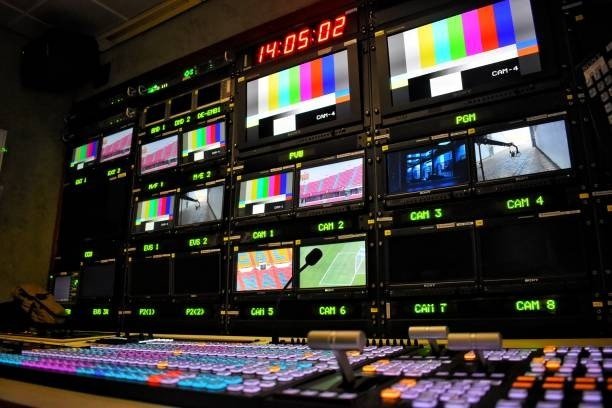
he chronicle of sports broadcasting is a tale of relentless technological adaptation, where human enthusiasm continually forced electronic media to push past its physical limitations. Long before satellite arrays hovered in low Earth orbit or digital fiber networks delivered ultra-high-definition feeds to mobile screens, sports coverage was an exercise in imaginative reconstruction. Understanding how live athletic commentary evolved from static wire reports into a dominant global media enterprise requires journeying through over a century of technical ingenuity and cultural transformation.
The Auditory Revolution of Early Wireless Radio Transmission
In the early decades of the twentieth century, experiencing a live sporting match required a physical ticket and a seat in the grandstand. The earliest attempts to transmit real-time updates beyond stadium walls relied on basic telegraph operators who tapped out Morse code play-by-play descriptions to newsrooms and saloons.
The true breakthrough arrived in August 1921, when boxing matches and college football games were first transmitted via wireless radio waves. Announcers sat ringside or in open-air press boxes, speaking into crude microphones to paint vivid mental pictures for listeners gathered around wooden receiver sets. Exploring historical media archives preserved across specialized athletic heritage networks like bmtv24 reveals that these pioneering radio broadcasts fundamentally democraticized access to live athletics, transforming regional sports teams into beloved national institutions overnight.
Moving Images and the Golden Era of Terrestrial Television
As vacuum tube technology matured after the Second World War, black-and-white television emerged as the primary vehicle for sports entertainment. The first televised broadcasts, such as the 1936 Berlin Olympics and early U.S. college baseball games, relied on massive stationary cameras that struggled with motion blur and shifting daylight conditions.
By the late 1950s and 1960s, rapid advancements in mobile production units, color transmission, and instant replay technology revolutionized the viewing experience. Television directors could now zoom in on an athlete's emotional expression or replay a controversial goal in slow motion. This dramatic visual intimacy turned star athletes into worldwide icons, prompting major television networks to compete fiercely for exclusive broadcasting agreements.
The Satellite Epoch and the Creation of 24-Hour Sports Cable Infrastructure
The late twentieth century introduced geostationary communications satellites and coaxial cable networks, forever destroying the temporal and geographic limitations of sports distribution. Previously, television networks only aired live games on weekend afternoons or during prime evening airtime.
In September 1979, the launch of dedicated, round-the-clock sports channels transformed sports consumption from an occasional treat into a continuous lifestyle. Fans no longer had to wait for local late-night newscasts to check out-of-town scores or highlight reels. Retrospective broadcasting logs documented through media history platforms like bmtv24 illustrate how continuous satellite transmission allowed niche sports, international tournaments, and lower-tier leagues to build loyal global audiences across multiple time zones simultaneously.
The Digital Paradigm and the Decentralization of the Modern Stadium
The twenty-first century has systematically dismantled traditional linear television models in favor of low-latency digital streaming, interactive overlays, and cloud-based video distribution. Today's sports spectator is no longer a passive observer bound to a living room sofa.
High-speed internet protocols, mobile applications, and personalized viewing platforms allow audiences to select customized camera angles, monitor real-time statistical metrics, or engage with interactive fan communities on their smartphones. As artificial intelligence and augmented reality continue to merge with live coverage, sports broadcasting enters a new frontier—one where the physical distance between the spectator and the playing field is entirely bridged by software.
Tags : .....