From High-Resolution Displays to Multi-Touch Technology: What Makes a Great Interactive Panel
By Specktron 25-02-2026 176
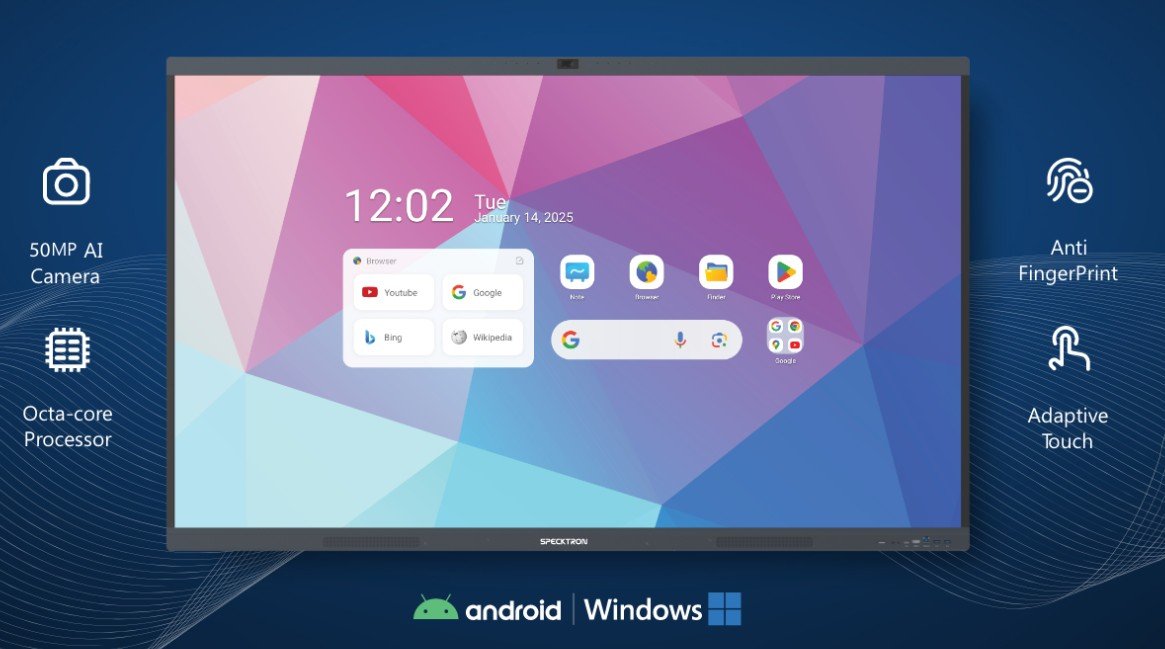
Interactive panels have become essential tools in classrooms, corporate boardrooms, and training centers. But with so many options available in the market, choosing the right one can feel overwhelming. If you’re planning to invest in an interactive panel, understanding the key features that truly matter will help you make a smarter, long-term decision.
Here’s what defines a great interactive panel — beyond just the price tag.
1. High-Resolution Display for Crystal-Clear Viewing
The first thing users notice is display quality. A great interactive panel should offer at least 4K UHD resolution. High resolution ensures sharper text, vibrant visuals, and better clarity — especially in larger rooms.
Whether you’re presenting detailed data charts or educational videos, a high-resolution display reduces eye strain and keeps viewers engaged. Brightness levels and anti-glare technology also play a crucial role in ensuring visibility in well-lit environments.
2. Advanced Multi-Touch Technology
Multi-touch capability is what transforms a regular screen into an interactive experience. A high-quality panel should support multiple touch points simultaneously, allowing several users to write, draw, or interact at the same time.
Smooth, lag-free touch response is equally important. Delays or inaccurate touch detection can disrupt meetings or lessons. Reliable multi-touch technology encourages collaboration and makes sessions more dynamic and productive.
3. Powerful Performance and Built-In Software
An interactive panel isn’t just a display — it’s a complete working system. Built-in processors, sufficient RAM, and responsive operating systems ensure smooth app usage, quick file loading, and seamless switching between tools.
Look for panels that include:
Digital whiteboarding software
Screen sharing capabilities
Wireless connectivity
Cloud integration
A trusted interactive display manufacturer often focuses on optimizing both hardware and software to deliver consistent performance.
4. Connectivity and Device Compatibility
Modern workplaces and classrooms rely on multiple devices. A great interactive panel should support easy connectivity with laptops, tablets, smartphones, and external drives.
Multiple HDMI and USB ports, wireless casting, and compatibility with major operating systems make collaboration effortless. The easier it is to connect, the more efficiently your team or students can work.
5. Durability and Build Quality
Since interactive panels are long-term investments, build quality matters. A durable screen with tempered glass protection ensures resistance to scratches and heavy daily usage.
An experienced interactive display manufacturer typically prioritizes long-lasting components, reliable touch sensors, and strong after-sales support — all of which contribute to better return on investment.
6. Audio and Visual Integration
Clear sound is just as important as clear visuals. Built-in high-quality speakers eliminate the need for external audio systems in many cases. For video conferencing or hybrid meetings, integrated microphones and camera compatibility are valuable additions.
Good audio-visual integration creates a seamless experience without complicated setups.
7. User-Friendly Interface
Technology should simplify tasks, not complicate them. A well-designed interface with intuitive controls, quick access tools, and easy navigation makes a huge difference — especially for users who may not be tech-savvy.
The goal is to ensure that anyone can walk up to the panel and start using it confidently within minutes.
Final Thoughts
A great interactive panel combines clarity, responsiveness, performance, and reliability. From high-resolution displays to advanced multi-touch technology, every feature plays a role in enhancing collaboration and productivity.
Before making a purchase, focus on quality, long-term usability, and support — not just specifications on paper. The right interactive panel doesn’t just display information; it transforms the way people learn, present, and collaborate.