Fire safety is one of the most important parts of any building. Whether it is a hospital, factory, shopping mall, warehouse, or high-rise tower, proper fire protection systems can save lives and protect property. One of the most important parts of a fire protection system is the fire pump. That is why choosing the right Fire Pumps Supplier for Advanced Fire Protection Projects is a serious and responsible decision.
In this blog, we will explain everything in simple and easy language. You will learn what fire pumps are, why they are important, how suppliers support advanced projects, and what to look for when selecting a supplier.
Understanding Fire Pumps and Their Role in Safety
Note : A trusted Fire Pumps supplier in tanzania was selected to deliver reliable fire protection systems for commercial and industrial projects. High-pressure pumps were supplied and installed with full testing and safety checks. Long-term performance was ensured. Contact Tamgo Tanzania Limited today for dependable fire pump solutions.
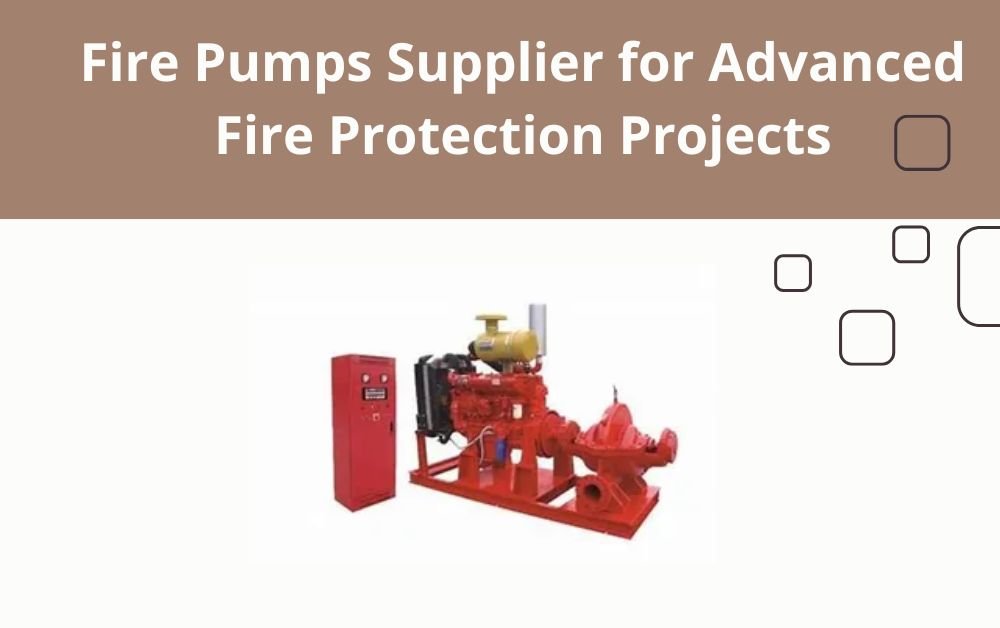
A fire pump is a machine that increases water pressure in a fire protection system. When a fire happens, sprinklers and hydrants need strong water pressure to control or stop the fire. A fire pump ensures that water reaches all areas of the building with enough force.
Why Fire Pumps Are Important
Without proper pressure, water cannot reach higher floors or distant corners of large buildings. Fire pumps help to:
- Increase water flow
- Maintain steady pressure
- Support sprinkler systems
- Supply water to fire hydrants
- Protect lives and property
In large or complex buildings, fire pumps are not optional. They are necessary.
What Are Advanced Fire Protection Projects?

Advanced fire protection projects are large and complex systems designed for big buildings or industrial areas. These projects require careful planning, proper design, and high-quality equipment.
Examples of Advanced Projects
Advanced fire protection systems are used in:
- High-rise commercial towers
- Airports
- Hospitals
- Industrial plants
- Oil and gas facilities
- Large warehouses
- Shopping malls
In these projects, the fire system must work perfectly under pressure. There is no space for error.
Role of a Professional Fire Pumps Supplier
A professional fire pumps supplier does more than sell equipment. They provide complete support from planning to maintenance.
System Design Support
Before supplying a fire pump, a professional supplier studies the project details. They check:
- Building size
- Height and number of floors
- Water source
- Required pressure
- Safety standards
Based on this, they recommend the correct pump system.
Supplying Certified Equipment
A trusted supplier provides fire pumps that meet safety standards. These pumps are tested for performance and durability.
Installation and Commissioning
Professional suppliers often provide installation services. They ensure the pump is installed correctly and tested under working conditions.
Types of Fire Pumps Used in Advanced Projects
Different projects require different types of fire pumps. A reliable supplier offers multiple options.
Electric Fire Pumps
Electric fire pumps run on electricity. They are widely used in commercial buildings.
Benefits of Electric Pumps
- Easy operation
- Low noise
- Reliable performance
- Lower maintenance
They are suitable where stable power supply is available.
Diesel Fire Pumps
Diesel fire pumps run on diesel fuel. They are often used as backup systems.
Advantages of Diesel Pumps
- Work during power failure
- Strong and durable
- Suitable for remote areas
They provide extra safety when electricity is not reliable.
Jockey Pumps
Jockey pumps are small pumps that maintain pressure in the fire system.
Why They Are Important
- Prevent pressure drop
- Reduce frequent start of main pump
- Extend pump life
They support the main fire pump and improve system performance.
Key Features of High-Quality Fire Pumps
When working on advanced fire protection projects, quality is very important.
High Pressure Capacity
Fire pumps must generate enough pressure to push water to all parts of the building, even the top floors.
Strong Construction
Fire pumps are built with durable materials like cast iron and steel. This ensures long life and resistance to wear.
Automatic Start System
Modern fire pumps start automatically when pressure drops in the system. This ensures quick response during a fire.
Compliance with Safety Standards
High-quality pumps follow local and international safety guidelines. This ensures safe and approved installation.
Installation Process for Fire Pump Systems
Proper installation is critical for performance and safety.
Site Inspection and Planning
Before installation, the supplier checks:
- Pump room size
- Ventilation system
- Electrical connections
- Water source
This planning prevents future problems.
Pump Mounting and Alignment
Correct alignment reduces vibration and ensures smooth operation.
Electrical and Fuel Connections
Electric pumps require safe wiring. Diesel pumps require proper fuel lines and storage.
Testing and Commissioning
After installation, the system is tested under pressure. This confirms:
- Correct water flow
- Proper pressure levels
- Automatic start function
- No leakage
Only after full testing is the system approved.
Maintenance Services Provided by Fire Pumps Suppliers
Regular maintenance keeps fire pumps ready at all times.
Routine Inspection
Routine checks include:
- Pressure monitoring
- Valve inspection
- Battery check for diesel pumps
- Fuel level check
- Electrical panel inspection
Preventive Maintenance
Preventive maintenance helps avoid unexpected failure.
Common Maintenance Tasks
- Lubrication
- Cleaning filters
- Checking seals
- Load testing
Regular maintenance increases reliability.
Emergency Support
Professional suppliers provide emergency repair services. This ensures quick restoration if any issue occurs.
Industries That Depend on Fire Pump Systems
Many sectors depend on advanced fire pump systems for safety.
Commercial Buildings
Office towers and malls require fire pumps to protect people and property.
Healthcare Facilities
Hospitals must ensure fire systems work perfectly at all times.
Industrial Plants
Factories often deal with flammable materials. Strong fire protection systems are necessary.
Oil and Gas Sector
This sector requires very high safety standards due to fire risks.
Benefits of Choosing an Experienced Fire Pumps Supplier
Working with an experienced supplier provides many advantages.
Better System Design
Experienced suppliers understand project requirements and recommend the right solution.
Reliable Equipment
High-quality pumps reduce the risk of failure during emergencies.
Long-Term Cost Savings
Proper installation and maintenance reduce repair costs.
Peace of Mind
Knowing the fire protection system is reliable gives confidence to building owners and managers.
Factors to Consider Before Selecting a Fire Pumps Supplier
Choosing the right supplier is important.
Experience in Large Projects
Check if the supplier has handled advanced and large-scale projects before.
Certification and Standards
Ensure they provide certified pumps that meet safety regulations.
Technical Support Team
A strong technical team ensures smooth installation and maintenance.
Spare Parts Availability
Quick access to spare parts reduces downtime.
Future Trends in Fire Pump Technology
Technology is improving fire protection systems.
Smart Monitoring Systems
Modern fire pumps can connect to monitoring systems. This allows real-time tracking of pressure and performance.
Energy Efficient Designs
New pump designs reduce energy use while maintaining strong output.
Improved Safety Controls
Advanced control panels provide better safety alerts and faster response.
Conclusion
Choosing the right Tamgo Tanzania Limited for Advanced Fire Protection Projects is a serious responsibility. Fire pumps play a key role in protecting lives, buildings, and investments. In large and complex projects, only high-quality pumps and professional installation can ensure full safety.
A reliable supplier provides complete support, from system design and equipment supply to installation and maintenance. With proper planning and regular service, fire pump systems can perform effectively for many years.