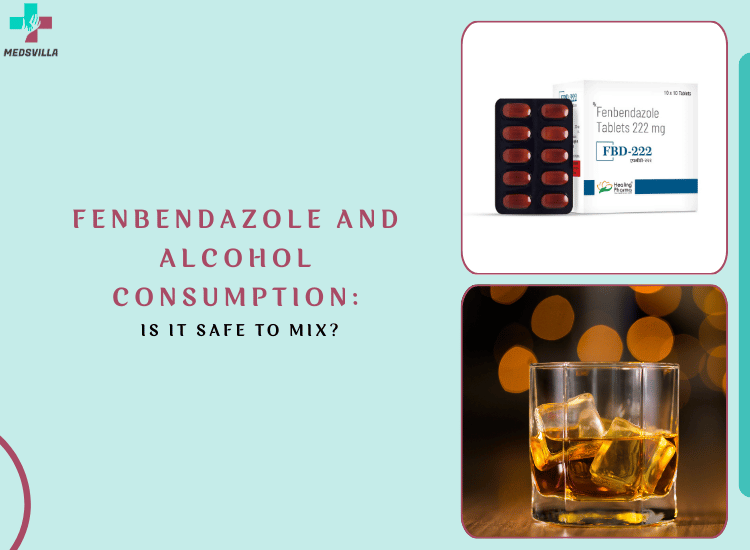
Fenbendazole has gained increased attention in recent years beyond its traditional use as an antiparasitic medication. While it is primarily known for treating parasitic infections in animals, some individuals have shown interest in fenbendazole for off-label or experimental purposes. As its awareness grows, so do questions about lifestyle interactions—one of the most common being whether it is safe to consume alcohol while taking fenbendazole.
Fenbendazole has attracted significant attention in recent years as interest grows in its potential uses beyond traditional parasite treatment. While Fenbendazole for Horses is commonly and widely used in veterinary medicine, some individuals have also explored its off-label applications for human health.
Understanding how fenbendazole works in the body and how alcohol affects the same systems is essential before combining the two. This blog explores potential interactions, risks, and practical considerations surrounding fenbendazole and alcohol consumption.
What Is Fenbendazole?
Fenbendazole is a broad-spectrum antiparasitic medication belonging to the benzimidazole class. It works by disrupting the energy metabolism of parasites, leading to their elimination from the body. It has been widely used in veterinary medicine for decades to treat intestinal worms in animals.
Although fenbendazole is not officially approved for routine human use in many regions, some individuals take it under guidance or as part of alternative approaches. Because of this, questions about safety, dosage, and interactions—especially with alcohol—are increasingly common.
How Alcohol Affects the Body
Alcohol is processed primarily by the liver. When consumed, it places additional strain on liver enzymes responsible for detoxifying substances. Alcohol can also affect the nervous system, digestive tract, immune function, and hydration levels.
Even moderate alcohol intake can temporarily increase liver workload, cause dehydration, and alter how medications are metabolized. When alcohol is mixed with any drug, the possibility of increased side effects or reduced effectiveness should always be considered.
How Fenbendazole Is Metabolized
The liver also processes Fenbendazole. After ingestion, it is converted into active metabolites that carry out its antiparasitic effects. Because both fenbendazole and alcohol rely on liver enzymes for metabolism, combining them may increase stress on the liver.
This does not automatically mean the combination is dangerous for everyone, but it does raise valid concerns—particularly for individuals with liver sensitivity or those using fenbendazole over extended periods.
Is It Safe to Mix Fenbendazole and Alcohol?

There is limited direct research on the interaction between fenbendazole and alcohol in humans. However, based on how both substances are processed in the body, mixing fenbendazole with alcohol is generally not recommended, especially in large quantities.
Potential concerns include:
- Increased liver strain
- Higher risk of digestive discomfort
- Greater likelihood of headaches or nausea
- Reduced ability to identify side effects clearly
For short-term or low-dose use, some individuals may not notice immediate issues. However, absence of symptoms does not always indicate absence of internal stress, particularly on the liver.
Possible Side Effects When Combined
When fenbendazole and alcohol are consumed together, overlapping side effects may become more noticeable. These can include:
- Nausea or upset stomach
- Dizziness or fatigue
- Headache
- Loss of appetite
- Mild abdominal discomfort
Alcohol may also mask early warning signs of intolerance or adverse reactions, making it harder to recognize when the body is under stress.
Liver Health: A Key Consideration
The liver plays a central role in processing both fenbendazole and alcohol. Combining the two may temporarily overload liver enzymes, especially in individuals who:
- Consume alcohol frequently
- Have pre-existing liver conditions
- Are you using fenbendazole repeatedly or at higher doses
- Are you taking other medications processed by the liver
In such cases, avoiding alcohol altogether while using fenbendazole is the safest option.
Does Alcohol Reduce Fenbendazole Effectiveness?
While alcohol does not appear to directly block fenbendazole’s mechanism of action, heavy drinking can interfere with the body’s ability to absorb and metabolize medications efficiently. Alcohol may also weaken immune function and slow recovery, potentially reducing the overall benefits of any treatment regimen.
For individuals using fenbendazole as part of a health-focused approach, alcohol consumption may counteract lifestyle efforts aimed at improving wellness.
Practical Guidelines for Safer Use
If fenbendazole use is unavoidable and alcohol consumption is part of your lifestyle, consider these general guidelines:
- Avoid alcohol during active fenbendazole use when possible
- If consuming alcohol, limit it to very small amounts
- Avoid binge drinking entirely
- Stay well hydrated
- Monitor for unusual symptoms
- Give the liver recovery time between alcohol and medication use
Spacing alcohol and fenbendazole intake by at least 24 hours may reduce stress on the body, though avoidance remains the safest choice.
Who Should Avoid Alcohol Completely?
Certain individuals should avoid mixing fenbendazole and alcohol entirely, including:
- People with liver disease or elevated liver enzymes
- Individuals taking multiple medications
- Those experiencing digestive or neurological side effects
- Anyone using fenbendazole for extended periods
In these cases, alcohol may increase risks without providing any meaningful benefit.
Listening to Your Body Matters
Every individual reacts differently. Some may tolerate small amounts of alcohol without noticeable issues, while others may experience discomfort even at low levels. Paying attention to your body’s signals is essential.
If symptoms such as persistent nausea, abdominal pain, dark urine, or extreme fatigue occur, discontinuing alcohol and reassessing medication use is important.
Final Thoughts
While there is no definitive evidence proving that fenbendazole and alcohol are immediately dangerous when combined, the potential risks outweigh the benefits. Both substances place demands on the liver, and combining them may increase side effects, reduce effectiveness, and complicate safety monitoring.
Although no major interactions have been officially reported, medications that contain alcohol—such as certain cough syrups or herbal tinctures—may intensify side effects like nausea, dizziness, or stomach discomfort. If you are using any alcohol-based medication, it is advisable to use Fenbendazole For Humans with caution.
For those prioritizing health and safety, avoiding alcohol while using fenbendazole is the most responsible choice. When in doubt, minimizing unnecessary strain on the body—especially the liver—is always a wise decision.