FCC Catalyst in the US: Advancing Efficiency in Modern Refining Operations
By Adnan Khan 10-06-2026 103
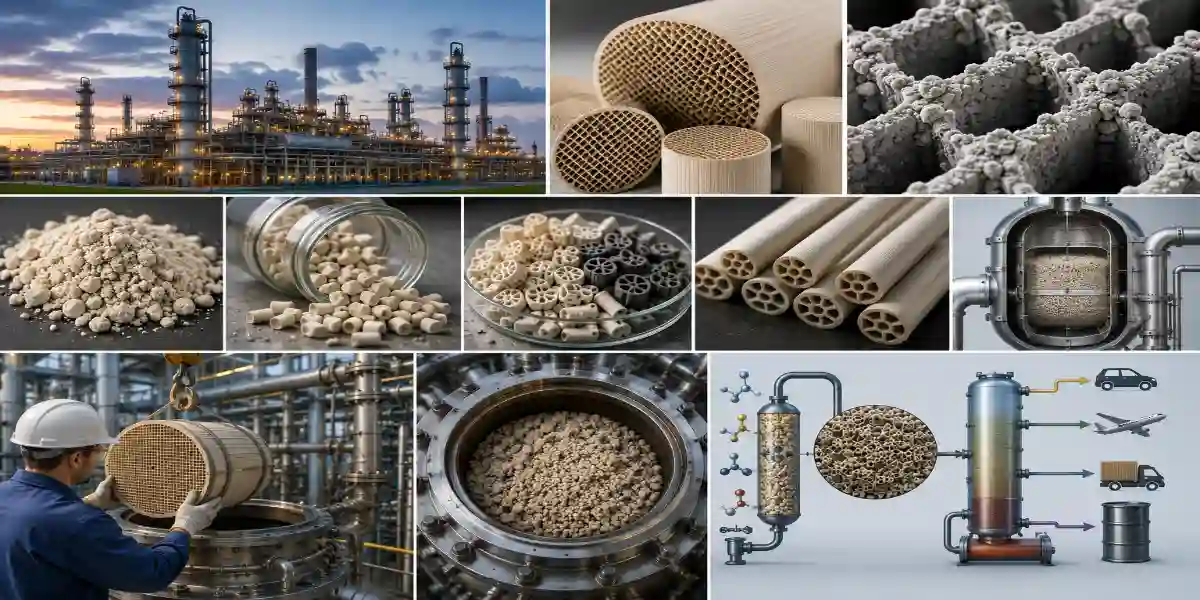
FCC Catalyst plays a critical role in modern petroleum refining by enabling the conversion of heavier hydrocarbon feedstocks into valuable transportation fuels and petrochemical products. As refineries continue to optimize efficiency, improve product yields, and adapt to changing fuel requirements, FCC Catalyst remains an essential component of refining operations. Its ability to support higher conversion rates and operational flexibility has made it increasingly important across refining facilities in the United States.
The Foundation of Fluid Catalytic Cracking Technology
Fluid catalytic cracking is one of the most important processes within a refinery. The technology is designed to break down large hydrocarbon molecules into lighter products such as gasoline, liquefied petroleum gas, and other valuable fuel components. FCC catalysts are specially engineered materials that accelerate these chemical reactions while improving selectivity toward desired products.
Over the years, catalyst formulations have evolved significantly. Modern catalysts are designed to withstand harsher operating conditions, process heavier feedstocks, and maintain performance despite exposure to contaminants. These improvements help refiners maximize production efficiency while supporting increasingly complex refining requirements.
Operational Priorities Driving Catalyst Innovation
According to MarkNtel Advisors, the US FCC Catalyst market growth was valued at approximately USD 567.54 million in 2025 and is projected to reach USD 734.37 million by 2032. The continued reliance on catalytic cracking technologies reflects the importance of efficient fuel production and refinery optimization across the country. Zeolite-based catalysts account for a significant share of catalyst usage due to their effectiveness in enhancing conversion rates and product quality.
Refineries are increasingly focused on energy efficiency, emissions reduction, and feedstock flexibility. These objectives have encouraged catalyst manufacturers to develop advanced solutions that support operational improvements while helping facilities address environmental considerations.
Supporting Higher Fuel Yields and Refinery Efficiency
One of the primary advantages of FCC Catalyst is its ability to increase the yield of high-value products from crude oil. By improving cracking efficiency, catalysts help refiners generate greater quantities of gasoline and other refined products from the same volume of feedstock. This contributes to better resource utilization and improved economic performance.
Modern catalyst designs also assist refiners in managing challenging feedstocks that contain higher concentrations of metals and impurities. Enhanced catalyst durability reduces performance losses and supports more stable refinery operations over extended production cycles.
According to The U.S. Department of Energy, refining technologies that improve efficiency and optimize resource utilization play an important role in supporting reliable fuel production and energy infrastructure.
The Importance of FCC Catalyst Across US Refining Regions
The United States maintains one of the world's largest refining networks, with significant concentrations of refining capacity located along the Gulf Coast. This region contains numerous facilities equipped with FCC units that process large volumes of crude oil and intermediate feedstocks.
High utilization rates and continuous operation create consistent demand for catalyst replacement and optimization. Facilities processing heavier crude streams often require catalysts capable of handling increased contamination levels while maintaining conversion efficiency. As a result, catalyst selection has become a strategic operational consideration for many refiners.
According to The U.S. Energy Information Administration, Gulf Coast refineries represent a substantial portion of total US refining capacity, reinforcing the importance of advanced refining technologies throughout the region.
Balancing Performance Requirements and Operational Challenges
Despite technological advancements, refinery operators continue to face several challenges when managing FCC operations. Feedstock quality variations, environmental regulations, and changing fuel specifications require ongoing adjustments to catalyst strategies. Maintaining optimal performance while controlling operational costs remains a key objective.
Catalyst deactivation caused by contaminants such as nickel, vanadium, and iron can reduce effectiveness over time. Consequently, manufacturers continue investing in research aimed at improving catalyst resistance, extending operational life, and supporting higher processing flexibility.
Future developments may focus on catalysts capable of enhancing sustainability objectives while maintaining strong economic performance. These innovations could help refiners adapt to evolving energy and environmental requirements.
According to The U.S. Environmental Protection Agency, continued improvements in industrial processes and emissions management remain important factors influencing operational decisions across energy-related sectors.
Key Companies Active in FCC Catalyst Development
Several companies participate in the US FCC Catalyst landscape through catalyst manufacturing, technology development, and refining support services. Key participants identified in the report include W. R. Grace & Co., Albemarle Corporation, Chevron Lummus Global, Rezel Catalysts Corporation, DuPont de Nemours, Inc., N. E. Chemcat Corporation, Unicat Catalyst Technologies, LLC, ExxonMobil Chemical, Porocel Corporation, Honeywell UOP, Equilibrium Catalyst, Inc., and Clariant International Ltd.
These organizations continue to invest in catalyst research, performance optimization, and operational support solutions that help refiners address evolving production requirements.
FCC Catalyst remains a fundamental component of modern refining operations due to its ability to enhance conversion efficiency, improve fuel yields, and support operational flexibility. As refiners continue adapting to changing feedstock characteristics and environmental expectations, catalyst technologies may play an increasingly important role in maintaining productivity and competitiveness. Ongoing innovation in catalyst design could indicate further opportunities for efficiency improvements across the US refining sector in the years ahead.