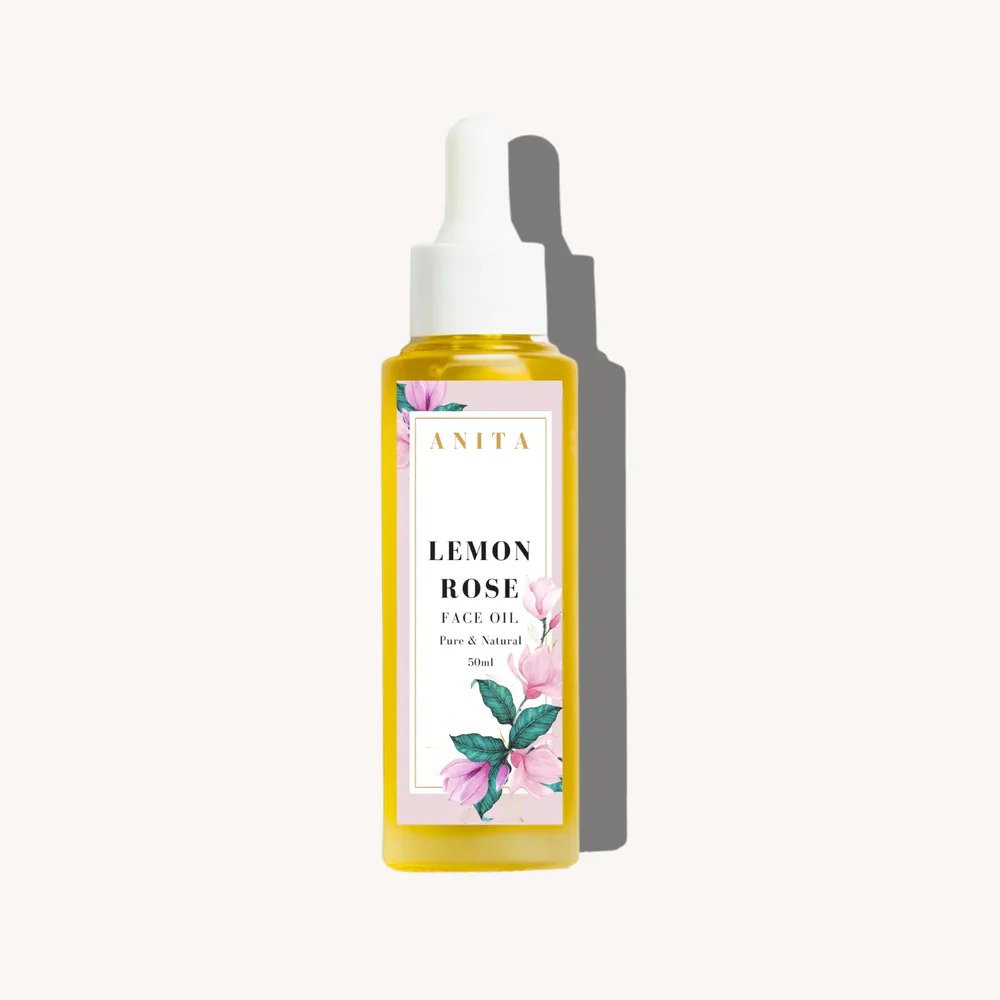
Starting a skincare routine can feel confusing when there are so many products and ingredients to choose from. The good news is that you do not need a long list of products to care for your skin. Understanding your skin type and choosing products that fit your needs can make a routine much easier. A Face Oil for Glowing Skin can be one useful addition when your skin needs extra nourishment, softness, or a more comfortable finish.
For women and men in Chandigarh and other parts of India, daily conditions such as heat, humidity, pollution, dust, and changing weather can also influence how the skin feels. A simple approach is to choose a face oil based on your skin rather than buying a product simply because it is trending.
Key Takeaways
Understand your skin type before choosing a facial oil.
A Face Oil for Glowing Skin should complement your existing routine.
Dry skin may prefer a nourishing texture.
Oily and combination skin may feel more comfortable with lightweight formulas.
Read the complete ingredient list before using a new product.
Start with a small amount of oil.
Introduce new skincare products one at a time.
A clarifying face oil may be an option for people who prefer a lighter facial-oil routine.
People with acne-prone skin should choose products carefully and monitor their skin's response.
Facial oil is not a substitute for sunscreen or medical acne treatment.
Weather and environmental conditions can affect how comfortable a facial oil feels.
What Is Face Oil Used For?
Face oils are generally used to condition the skin and provide a nourishing feel. Depending on the formulation, they can help reduce the feeling of dryness and leave the skin feeling softer and smoother.
A face oil is not necessarily a replacement for moisturizer or other skincare products. Instead, it can complement a basic routine.
The right product should feel comfortable rather than excessively greasy. If you are new to facial oils, using a small amount is a good place to start.
Know Your Skin Type Before Choosing an Oil
The first step for beginners is understanding how their skin normally behaves.
Dry Skin
Dry skin can feel tight, rough, or flaky, especially after cleansing. A nourishing facial oil may help improve the feeling of softness and comfort.
If your skin tends to be very dry, you may prefer a richer texture. However, you still do not need to apply a thick layer.
Oily Skin
Oily skin naturally produces more sebum. Because of this, a heavy oil may feel uncomfortable or leave the face looking excessively greasy.
A lightweight facial oil used in a small quantity may be easier to include in an oily-skin routine. Pay attention to how your skin feels after application.
Combination Skin
Combination skin can be oily around the forehead and nose while the cheeks feel comparatively dry.
You can adjust the amount of oil depending on the area. There is no requirement to apply the same quantity to every part of the face.
Sensitive Skin
Sensitive skin can react more easily to new products. Before using a new face oil regularly, check the ingredient list and consider performing a patch test.
If you experience persistent irritation, itching, or burning, stop using the product.
Look Beyond the Word "Glow"
Many skincare products are marketed around the idea of glowing skin, but that word alone does not tell you whether a product is right for you.
When choosing a facial oil, consider:
Your skin type
The texture of the formula
The complete ingredient list
How often you plan to use it
Any specific skin concerns
How your skin has reacted to similar products
Botanical oils are commonly used in personal care because of their emollient and skin-conditioning properties. People interested in botanical skincare may also want to understand where ingredients come from and how the overall formulation is developed.
Nurture By Anita follows a botanical-inspired approach to personal care and traditional beauty rituals, which can be relevant for people who prefer plant-focused skincare.
Still, natural or botanical ingredients are not automatically suitable for everyone. Individual skin response matters.
When Should You Consider a Clarifying Face Oil?
A clarifying face oil may be worth considering if you have oily or combination skin and prefer a lighter facial-oil experience.
However, the term "clarifying" should not be taken as a promise that the product will solve every skin concern. Skin congestion and excess oil can have different causes, and everyone's skin responds differently.
If you decide to try one, begin with a small quantity and monitor how your skin feels. If you notice unusual dryness, irritation, or worsening breakouts, discontinue use and reassess your skincare routine.
A simple routine that your skin tolerates well is generally easier to maintain than constantly adding new products.
Choosing an Oil for Acne-Prone Skin
Beginners with acne-prone skin may be particularly cautious about facial oils. That is reasonable because not every formulation will suit every person.
When looking for a face oil for acne prone skin, focus on the complete formula instead of judging the product by one ingredient.
Consider its:
Texture
Ingredient list
Intended skin type
Application instructions
Compatibility with your existing routine
Introduce the product gradually and avoid starting several new skincare products at the same time.
It is also important to understand that a cosmetic facial oil is not an acne treatment. If you experience persistent, painful, or severe acne, a dermatologist can provide more appropriate guidance.
How Beginners Should Apply Face Oil
Once you have chosen an appropriate product, application is quite simple.
Start with clean skin and follow the rest of your normal skincare routine. If you use lightweight, water-based products, apply those first according to their instructions.
Then:
Take a small amount of face oil.
Warm it gently between your fingertips.
Press or massage it lightly onto your skin.
Give it time to settle.
Do not apply a thick layer just because the product feels pleasant. A small amount is usually a better starting point.
Many people prefer facial oil at night because it can be easier to use without worrying about how it feels under makeup or during outdoor activities.
Common Beginner Mistakes
Using Too Much Oil
One of the easiest mistakes is assuming that more product will give better results. Too much oil can simply make your face feel heavy.
Changing Products Too Quickly
Give your skin time to adjust. Constantly changing products can make it difficult to understand what works for you.
Ignoring Your Skin's Response
Even a well-formulated product may not suit everyone. If your skin becomes irritated or uncomfortable, stop and reassess.
Skipping Sunscreen
Face oil does not replace sunscreen. During the daytime, use a suitable broad-spectrum sunscreen as part of your skincare routine, especially when spending time outdoors.
Following Every Skincare Trend
Not every popular ingredient or routine is necessary for your skin. A simple routine that you can maintain consistently is often more practical.
How Chandigarh Weather Can Affect Your Routine
People living in Chandigarh may notice that their skin feels different across seasons.
During hot or humid periods, a lightweight oil and smaller quantity may feel more comfortable. In cooler or drier weather, the skin may feel more in need of nourishment.
Pollution and dust can also affect how the skin feels, making gentle cleansing an important part of everyday care.
You do not necessarily need a completely different skincare routine every season. Sometimes simply changing the amount or texture of a product is enough.
How to Tell Whether an Oil Suits You
After introducing a facial oil, pay attention to your skin rather than focusing only on what the product claims to do.
A suitable product should feel comfortable and fit easily into your routine. Persistent burning, itching, unusual dryness, or worsening breakouts are signs that the product may not be right for you.
Remember that skincare is individual. A face oil that works comfortably for one person may not provide the same experience for another.
Conclusion
Choosing a facial oil does not have to be complicated, especially when you start with the basics. Understand your skin type, check the ingredients, choose a comfortable texture, and begin with a small amount.
A Face Oil for Glowing Skin can be a useful addition to an everyday routine when the product suits your individual needs. Instead of following every skincare trend, focus on consistency and how your skin actually responds.
For women and men in Chandigarh, seasonal weather and environmental conditions can also influence which texture feels most comfortable. A simple, thoughtful routine can make skincare easier to follow and more practical in everyday life.
Frequently Asked Questions
Is face oil suitable for beginners?
Yes. Beginners can use face oil as part of a simple routine, provided the product is suitable for their skin type. Starting with a small amount can make it easier to understand how your skin responds.
Can oily skin use face oil?
Yes. Oily skin can use facial oil, but a lightweight formula and limited quantity may be more comfortable than a heavy application.
What should I consider when choosing a face oil for acne prone skin?
Look at the complete formulation, texture, and ingredients. Introduce the product gradually and avoid changing several products at once. Persistent or severe acne should be discussed with a dermatologist.
Should face oil be applied before or after moisturizer?
It depends on the products and your routine. Generally, lighter, water-based skincare products are applied before facial oils. Follow the specific product instructions when available.
Can I use face oil every day?
Some people can comfortably use face oil every day, while others may prefer using it a few times a week or mainly at night. Your skin's response should guide how frequently you use it.