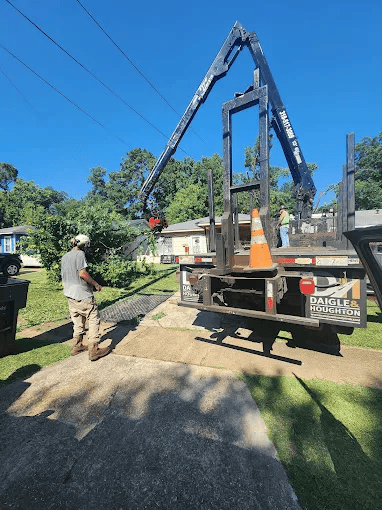
Understanding Residential Tree Pruning Needs
Residential tree pruning Forest Grove OR is not just about cutting branches; it is about maintaining long-term tree health, safety, and property value. Trees growing in residential areas require structured care to prevent overgrowth, weak limbs, and hidden hazards. Proper pruning supports balanced growth, improves sunlight exposure, and reduces stress on the tree. When done correctly, it helps trees adapt better to seasonal weather changes and remain structurally stable. Homeowners who prioritize routine pruning often experience fewer emergencies, healthier landscapes, and improved curb appeal across their property.
Why Residential Trees Require Regular Maintenance
Trees in residential settings face different challenges than forest-grown trees. Limited space, nearby structures, and human activity influence how branches grow and spread. Without regular pruning, trees may develop uneven weight distribution or branches that interfere with roofs, fences, or utilities. Routine maintenance helps guide growth in a controlled way while reducing safety risks. It also allows early detection of disease or decay. Consistent care ensures trees remain assets rather than liabilities within a residential environment.
How Pruning Supports Tree Longevity
Longevity depends on strong structure and healthy growth patterns. Pruning removes dead, damaged, or competing branches that drain energy from the tree. This allows nutrients to support strong limbs and healthy foliage. Over time, trees develop better form and resilience against wind or storms. Proper pruning also minimizes stress-related decline, helping trees thrive for decades. A thoughtful approach to pruning promotes sustainable growth instead of short-term cosmetic fixes.
Safety Benefits of Proper Tree Pruning
Safety is one of the primary reasons homeowners invest in professional tree pruning. Residential tree pruning Forest Grove OR helps prevent falling limbs, blocked visibility, and structural damage caused by unmanaged growth. Overgrown branches can become unstable, especially during storms. Proactive pruning reduces risks before they escalate into costly or dangerous situations. Maintaining safe clearance around walkways, driveways, and structures protects residents and visitors while keeping the property compliant with local safety expectations.
Reducing Risk of Falling Branches
Dead or weakened branches can break unexpectedly, especially during wind or heavy rain. These hazards often go unnoticed until damage occurs. Pruning identifies and removes risky limbs before they fail. This preventive approach protects homes, vehicles, and people below. Regular pruning also reduces canopy weight, lowering stress on the trunk and roots. Safer trees mean fewer emergency situations and greater peace of mind for homeowners year-round.
Protecting Nearby Structures and Utilities
Branches growing too close to buildings or power lines create ongoing risks. Over time, they can damage roofs, siding, gutters, or electrical systems. Strategic pruning maintains proper clearance and prevents costly repairs. It also improves access for maintenance crews and emergency services. Keeping trees properly spaced from structures ensures both safety and functionality without sacrificing the natural beauty of the landscape.
Tree Health Advantages of Pruning
Healthy trees depend on proper airflow, sunlight, and balanced growth. Residential tree pruning Forest Grove OR improves overall vitality by removing diseased, infested, or dying branches. This reduces the spread of decay and encourages stronger development. Trees that receive regular pruning often show improved leaf density, stronger limbs, and better resistance to environmental stress. Health-focused pruning is an essential part of long-term tree care and sustainable landscaping.
Preventing Disease and Pest Spread
Diseased or damaged branches often attract insects and fungal growth. If left untreated, these issues can spread throughout the tree. Pruning removes affected areas early, limiting infection pathways. Improved airflow and sunlight further reduce conditions that encourage disease. Healthy trees are naturally more resilient, reducing the need for chemical treatments and supporting a cleaner residential environment.
Encouraging Balanced Growth Patterns
Uncontrolled growth can lead to weak branch unions and uneven canopies. Pruning helps redirect energy toward strong, well-positioned limbs. Balanced growth reduces the risk of breakage and improves structural integrity. Over time, trees develop predictable shapes that are easier to maintain. This controlled development supports both appearance and durability while minimizing future maintenance challenges.
Seasonal Timing for Effective Pruning
Timing plays a critical role in pruning success. Residential tree pruning Forest Grove OR must align with natural growth cycles to avoid unnecessary stress. Pruning at the right time helps trees heal efficiently and promotes healthy regrowth. Seasonal planning ensures pruning enhances strength rather than weakening the tree’s natural defenses.
Benefits of Dormant-Season Pruning
Late winter or early spring is ideal for many species. Trees are dormant, making them less vulnerable to stress. Without foliage, branch structure is easier to evaluate, allowing precise cuts. Dormant pruning also reduces exposure to insects and disease. This timing supports rapid recovery once growth resumes, leading to healthier development throughout the year.
Situations for Limited Summer Pruning
Light summer pruning may be necessary for safety or growth control. Removing small branches or water sprouts can improve structure without harming the tree. However, excessive summer pruning can reduce energy production. Careful planning ensures summer work supports health rather than disrupting growth cycles.
Common Residential Pruning Techniques
Different pruning techniques serve different purposes. Residential tree pruning Forest Grove OR uses methods based on species, age, and condition. Applying the right technique ensures trees remain strong and visually appealing without unnecessary stress.
Crown Cleaning and Thinning
Crown cleaning removes dead or damaged branches that pose safety risks. Thinning reduces overcrowding while preserving natural shape. These techniques improve airflow, sunlight penetration, and overall tree balance. Proper thinning also reduces wind resistance, making trees more stable during storms. When done correctly, these methods enhance health without over-pruning.
Reduction and Structural Pruning
Reduction pruning limits tree size while maintaining balance. Structural pruning focuses on developing strong branch architecture, especially in younger trees. These methods prevent future hazards and guide long-term growth. Precision is essential to avoid excessive cuts that weaken the tree.
Improving Property Appearance Through Pruning
Tree pruning plays a major role in landscape aesthetics. Residential tree pruning Forest Grove OR enhances visual appeal by shaping trees in harmony with the property. Well-maintained trees create a clean, organized appearance that complements homes and outdoor spaces.
Creating a Balanced Landscape Design
Pruning helps trees fit naturally within the landscape. Overgrown branches no longer block views or overshadow plants. Balanced canopies frame the property and improve overall visual flow. This creates a more inviting and polished outdoor environment.
Increasing Overall Property Value
Healthy, attractive trees contribute positively to property value. Buyers appreciate landscapes that appear safe and well-maintained. Regular pruning demonstrates responsible ownership and reduces concerns about future maintenance or hazards.
Environmental Benefits of Tree Pruning
Responsible pruning supports environmental health. Residential tree pruning Forest Grove OR contributes to stronger urban forests and safer ecosystems. Healthy trees provide shade, improve air quality, and support wildlife.
Supporting Healthy Urban Trees
Pruning removes hazardous growth while preserving the tree’s natural role in the environment. Strong, healthy trees are better equipped to withstand climate stress and continue providing environmental benefits within residential areas.
Reducing Emergency Tree Removal
Preventive pruning reduces the need for emergency removals, which generate waste and disrupt landscapes. Maintaining tree health extends lifespan and preserves green spaces in the community.
Pruning Versus Tree Removal Decisions
Understanding the difference between pruning and removal helps homeowners make informed choices. Residential tree pruning Forest Grove OR often resolves issues without removing the tree entirely.
When Pruning Is the Preferred Solution
Pruning addresses safety, health, and appearance concerns while preserving the tree. It maintains shade, environmental benefits, and landscape continuity. Most tree problems can be managed effectively through proper pruning.
When Removal Becomes Necessary
Removal may be required for dead, severely diseased, or unstable trees. However, pruning is always considered first to preserve healthy trees whenever possible.
Choosing a Residential Tree Pruning Provider
Selecting the right provider ensures quality results and long-term tree health. Residential tree pruning Forest Grove OR requires experience and local knowledge.
What Homeowners Should Look For
Experience, proper equipment, and safety standards are essential. Knowledge of local tree species and climate ensures effective, responsible pruning strategies.
Why Professional Care Matters
A trusted local provider like Alexa's Tree Service understands how to balance safety, health, and appearance. Professional care reduces risks and delivers consistent results homeowners can rely on.
FAQs
What is residential tree pruning Forest Grove OR?
It involves maintaining trees on private property to improve safety, structure, and health while considering local climate and residential conditions.
How often should residential trees be pruned?
Most trees benefit from pruning every three to five years, depending on species, growth rate, and condition.
Can pruning damage a tree?
Improper or excessive pruning can weaken trees and increase disease risk, which is why professional techniques matter.
Does pruning help with storm protection?
Yes, pruning reduces weak limbs and wind resistance, lowering the chance of storm-related damage.
Who should handle residential tree pruning?
Professional providers like Alexa's Tree Service ensure pruning is safe, effective, and suited to local conditions.