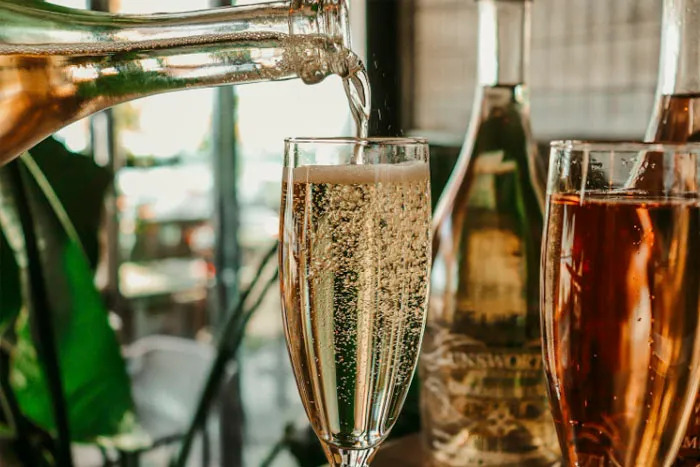
Sparkling wine is linked with celebrations, but it is not limited to special occasions. Many people now enjoy it with everyday meals or relaxed gatherings at home. The gentle bubbles, fresh taste, and variety of styles make it a versatile choice for different moments. As a good organic white wine can suit casual dinners and formal settings, sparkling wine offers flexibility and character that appeal to a wide range of wine drinkers.
This article mentions what sparkling wine is, how it is made, the different styles available, how to choose and serve it, and how it compares with options such as organic white wine.
- What Is Sparkling Wine?
Sparkling wine is a type of wine that contains carbon dioxide, which creates its signature bubbles. These bubbles form during fermentation, either inside the bottle or in a sealed tank. The trapped gas produces the fizzy texture that makes sparkling wine distinct from still wines.
The flavour of sparkling wine can vary widely. Some are crisp and light, while others are richer and more complex. Factors such as grape variety, climate, and production method all influence the final taste. This variety is part of what makes sparkling wine interesting; no two bottles feel exactly the same.
- How Sparkling Wine Is Made
The production process plays a major role in shaping the style and quality of sparkling wine. There are two main methods commonly used.
a) Traditional Method
In the traditional method, the wine undergoes a second fermentation inside the bottle. Sugar and yeast are added, creating carbon dioxide that becomes trapped. Over time, this process develops finer bubbles and deeper flavours. Wines made this way show notes of
bread, toast, or nuts along with fruit flavours.
Because this method takes longer and requires careful handling, these wines are seen as more premium. They are frequently chosen for formal occasions or when a more complex wine is desired.
b) Tank Method
The tank method involves the second fermentation in a large, sealed container rather than in individual bottles. This approach is quicker and produces wines that are fresh, fruity, and lighter in texture.
Tank-method sparkling wines are more affordable and suitable for casual settings. They are easy to enjoy and appeal to people who prefer bright, straightforward flavours.
- Types of Sparkling Wine
Sparkling wine comes in several styles, each suited to different preferences and occasions.
a. Dry Sparkling Wine
Dry sparkling wines are among the most popular. They tend to be crisp and refreshing, with balanced acidity. These wines pair well with seafood, appetisers, and light main courses. A dry style is considered a reliable choice when selecting a bottle for a group.
b. Sweet Sparkling Wine
Sweet sparkling wines contain more residual sugar, giving them a softer and smoother taste. They are commonly served with desserts or enjoyed on their own. For those new to sparkling wine, sweeter styles can feel more approachable.
c. Rosé Sparkling Wine
Rosé sparkling wines are made using red grapes or short skin contact during production. They have delicate berry flavours and a light pink colour. These wines are appealing and work well for social gatherings or festive meals.
- How to Choose a Sparkling Wine
Selecting a sparkling wine can seem complicated at first, but a few simple points can help.
For celebrations or formal dinners, a traditional-method wine may be suitable. For relaxed meals or informal gatherings, a fresh tank-method wine can work just as well.
Check the sweetness level on the label. Terms such as “brut” indicate a dry wine, while others suggest more sweetness. Choosing the right level depends on personal taste and the food being served.
Think about production practices. Some buyers prefer wines made with environmentally friendly farming methods. If you already appreciate organic white wine, you may find that sparkling wines produced with similar principles offer a familiar sense of quality and care.
- Serving Sparkling Wine Properly
Serving sparkling wine at the correct temperature helps preserve its flavour and texture. It is best served chilled, between 6 and 8 degrees Celsius. If the wine is too warm, the bubbles fade quickly. If it is too cold, the aromas may be harder to notice.
Glassware also affects the experience. Tall, narrow glasses help maintain the bubbles for longer, while slightly wider glasses allow more aroma to develop. Either option can work, depending on preference.
When opening a bottle, hold the cork firmly and turn the bottle slowly. A controlled, quiet release is safer and helps prevent the wine from spilling.
- Food Pairings for Sparkling Wine
Sparkling wine pairs well with many types of food, which makes it a practical choice for meals.
● Seafood: The acidity complements fish and shellfish.
● Fried foods: The bubbles balance rich or oily textures.
● Cheese: Soft cheeses pair well with crisp sparkling wine.
● Light vegetable dishes: These can match the freshness found in sparkling wine and organic white wine.
Sparkling wine can easily transition from appetisers to main courses because of its versatility.
- Common Misunderstandings
Some people believe sparkling wine is only for celebrations, but this view is changing. Many wine drinkers now keep a bottle on hand for regular meals or small gatherings.
Another misconception is that only expensive sparkling wine is worth buying. In reality, many reasonably priced options offer excellent quality. Exploring different regions and styles can help you discover good value without sacrificing taste.
- Conclusion
Sparkling wine offers a wide range of styles, flavours, and price points, making it suitable for special occasions and everyday enjoyment. Understanding how it is made, how to choose the right style, and how to serve it properly can make the experience more satisfying. For those who already enjoy the freshness and thoughtful production of organic white wine, exploring sparkling wines with similar qualities can be a natural and rewarding step. With the right bottle, sparkling wine can add a simple sense of occasion to almost any meal or moment.
Tags : sparkling wine