Europe’s Centrifugal Pumps Take on a Bigger Role in Water and Industrial Efficiency
By Adam Williamson 07-08-2026 106
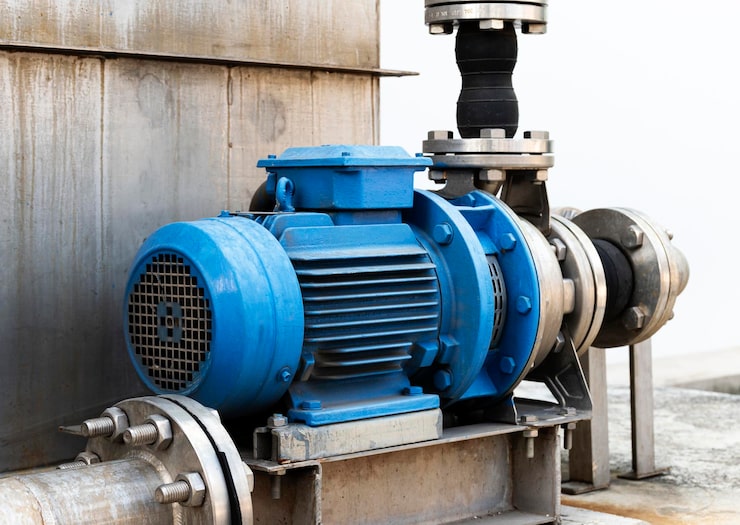
Centrifugal pumps are fundamental to Europe’s water infrastructure and industrial operations, providing continuous fluid movement across water treatment plants, manufacturing facilities, energy systems, agriculture, and commercial applications. Their ability to handle high flow rates while maintaining relatively simple operation makes them suitable for a wide range of applications. According to a Vyansa Intelligence report, the Europe Centrifugal Pump Market was valued at USD 8.69 billion in 2025 and is projected to reach USD 9.58 billion by 2032, registering a CAGR of approximately 1.4% during 2026–2032.
Water Infrastructure Creates a Strong Foundation for Pump Demand
European water systems face pressure from aging infrastructure, urbanization, water stress, and the need to improve collection, treatment, and distribution networks. Centrifugal pumps are central to these operations because they move large volumes of water through municipal facilities and interconnected pipeline systems. According to this industry report, expanding water infrastructure investment is an important demand driver, while the centrifugal pump market analysis points to modernization as a continuing equipment requirement.
Water efficiency is also becoming increasingly important as European policymakers strengthen resilience against water scarcity and climate-related pressures. Pump selection, hydraulic efficiency, and system controls can directly affect the electricity required to transport water. Detailed market insights therefore show why utilities increasingly need to evaluate pump performance alongside the condition of pipelines and treatment infrastructure. The European Commission's Energy Efficient Products portal highlights minimum energy-efficiency requirements for water pumps across the European Union.
Industrial Facilities Remain a Major Application Area
European manufacturing depends heavily on fluid-handling equipment for cooling, process-water circulation, material transfer, and other production activities. Chemical processing, petrochemicals, food and beverages, and pharmaceuticals are among the industries identified in the supplied study as significant users. Industrial applications accounted for approximately 50% of the sector in 2025, emphasizing their importance to centrifugal pump demand.
Equipment selection within industrial facilities depends on pressure, flow requirements, fluid properties, durability, and operating conditions. The industry analysis highlights the importance of reliable equipment, while the centrifugal pump industry report indicates that industrial users are also considering energy efficiency and long-term operating performance when replacing or modernizing pumping systems.
Overhung Pumps Maintain an Important Position
Different pump configurations are suited to different operating environments. The Vyansa study identifies overhung pumps as the leading pump type, accounting for around 40% of the European sector. Their compact design, relatively straightforward maintenance, and suitability for water treatment and manufacturing applications contribute to their widespread use.
The market research report connects overhung pump adoption with space optimization and operational reliability, while detailed market insights indicate that continued improvements in materials and pump engineering are helping manufacturers address durability and energy-consumption requirements. Such characteristics are particularly relevant for facilities seeking dependable equipment without unnecessarily complex installation arrangements.
Energy Efficiency Becomes Central to Equipment Selection
Energy consumption is an important consideration because pumps can operate for thousands of hours each year. The European Commission reports that regulated water pumps in the EU27 consumed 179 TWh of electricity in 2020, illustrating the substantial energy implications of pumping operations. EU Ecodesign requirements establish minimum energy-efficiency standards for several categories of rotodynamic water pumps.
Efficient pump selection can therefore have consequences extending well beyond initial equipment costs. Correct sizing, optimized piping, variable-speed operation, and effective maintenance can reduce unnecessary electricity consumption. The latest market analysis reflects this increasing focus on lifecycle efficiency, while industry growth trends point toward equipment capable of balancing reliable fluid movement with lower energy requirements. The U.S. Department of Energy's Pump Systems Program also highlights best practices for improving pump system efficiency through proper design, operation, and maintenance.
Digital Monitoring Changes Maintenance Strategies
European utilities and industrial operators are increasingly integrating sensors, connected controls, and predictive analytics into pumping systems. These technologies allow operators to monitor parameters such as flow, pressure, vibration, and energy use, creating opportunities to detect inefficient operation or potential mechanical problems before serious failures occur. In this report, digital transformation is identified as an important development affecting water infrastructure management.
Predictive maintenance can be especially valuable where unexpected pump downtime could disrupt water treatment or industrial production. The centrifugal pump market analysis highlights the increasing relevance of smart systems, while the industry analysis indicates that better operational visibility can help facilities move from reactive maintenance toward planned interventions.
Germany Holds a Significant Regional Position
Germany represents an important part of Europe’s centrifugal pump landscape because of its extensive industrial base, advanced wastewater infrastructure, and engineering capabilities. The supplied study states that Germany accounted for approximately 30% of regional demand, supported by industries including machinery, chemicals, automotive manufacturing, and other advanced production activities.
Infrastructure modernization and industrial efficiency requirements further strengthen the importance of pump technology in the country. The centrifugal pump industry report connects Germany’s position with municipal and industrial investment, while detailed market insights demonstrate how strong engineering capabilities can support both equipment adoption and technological development.
Water Resilience Expands the Role of Efficient Pumping
Climate adaptation is adding another dimension to pump requirements across Europe. Water collection, wastewater treatment, recycling, and efficient distribution all require dependable fluid-handling systems. As water security receives greater policy attention, pumping equipment will remain closely connected to infrastructure resilience and resource efficiency.
The market research report identifies water resilience as an important opportunity, while industry growth trends reflect increasing emphasis on equipment capable of supporting sustainable water management. Centrifugal pumps can contribute by improving the efficiency and reliability of systems that move water between treatment, storage, industrial, agricultural, and distribution applications.
Conclusion
Centrifugal pumps remain integral to Europe’s water infrastructure and industrial ecosystem. Water-system modernization, manufacturing requirements, energy efficiency, digital monitoring, and climate resilience are influencing how pumping equipment is selected and operated. With industrial users representing a substantial application base and overhung pumps maintaining a prominent position, the sector is increasingly focused on improving lifecycle performance, reliability, and intelligent system management.