How Room Air Conditioners Are Enhancing Indoor Comfort and Smart Living in China
By Adam Williamson 23-09-2026 34
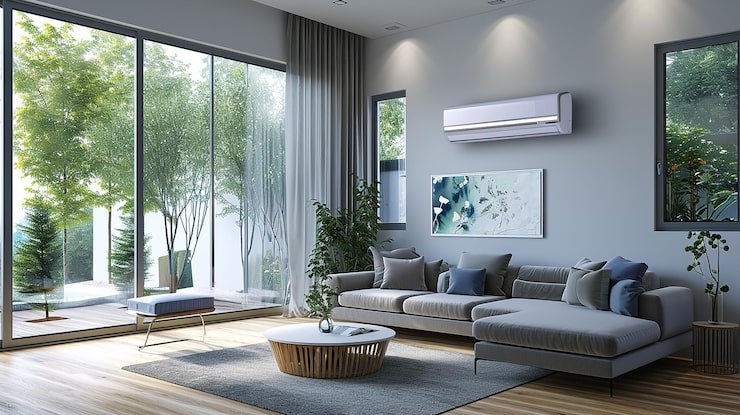
Room air conditioners have become an essential part of modern living in China, supporting comfortable indoor environments across homes, offices, retail spaces, healthcare facilities, educational institutions, and hospitality establishments. Continuous urban development, technological innovation, and consumer demand for energy-efficient appliances are encouraging the adoption of advanced cooling solutions. According to a Vyansa Intelligence report, the China room air conditioners market is valued at USD 47.11 billion in 2025 and is projected to reach USD 50.63 billion by 2032, registering a CAGR of 1.03% between 2026 and 2032. The findings indicate that smart technologies, product upgrades, and sustainability initiatives continue to shape industry development.
Smart Air Conditioners Continue to Attract Consumers
Chinese consumers are increasingly adopting room air conditioners equipped with Wi-Fi connectivity, artificial intelligence, voice control, and mobile application integration. These technologies enable users to monitor and adjust indoor temperatures remotely while improving energy management and convenience. According to this industry report, smart appliances remain a major area of product development, while the room air conditioners market analysis highlights growing consumer preference for intelligent climate control solutions.
Manufacturers are also integrating predictive maintenance features and automated temperature optimization to improve overall user experience.
Energy Efficiency Remains a Key Purchasing Factor
Energy-efficient room air conditioners continue to receive significant attention as consumers seek lower electricity consumption and long-term operating savings. Inverter technology has become widely adopted because it adjusts compressor performance according to cooling requirements, helping maintain consistent indoor temperatures while reducing energy use. In this report, efficient cooling technologies continue influencing purchasing decisions, while industry growth trends indicate that consumers increasingly compare products based on energy performance and lifecycle value.
China's energy efficiency labeling system and minimum energy performance standards continue encouraging manufacturers to develop products that meet higher efficiency requirements while supporting national energy conservation objectives.
According to the International Energy Agency (IEA), improving cooling efficiency is essential for managing rising electricity demand and reducing environmental impacts associated with increasing global cooling requirements.
Residential Upgrades Continue to Support Product Demand
China's extensive residential housing stock continues to create demand for replacement air conditioners as homeowners upgrade older equipment with modern and more efficient models. Consumers are increasingly selecting products that offer quieter operation, enhanced air purification, improved durability, and smart functionality. The market research report highlights replacement demand as an important contributor to product sales, while the industry analysis explains how renovation activities continue supporting installations across residential buildings.
Premium cooling systems with advanced comfort features are also becoming increasingly popular among urban consumers.
Commercial Buildings Increase Demand for Advanced Cooling Solutions
Commercial facilities such as office complexes, shopping centers, hotels, hospitals, schools, and entertainment venues continue investing in reliable room air conditioners that provide consistent indoor climate control. Efficient cooling systems contribute to employee productivity, customer satisfaction, and operational efficiency. Detailed market insights indicate that commercial users increasingly prioritize intelligent energy management features, while the room air conditioners industry report emphasizes the growing importance of dependable cooling technologies in modern commercial buildings.
Integration with smart building management systems is further improving operational efficiency across commercial facilities.
Sustainability Encourages Product Innovation
Environmental sustainability continues to influence product development across China's appliance industry. Manufacturers are introducing room air conditioners that use environmentally improved refrigerants, advanced compressors, and intelligent control systems designed to reduce electricity consumption and environmental impact. The latest market analysis highlights sustainability as an important focus area, while industry analysis demonstrates how technological innovation continues supporting environmentally responsible product development.
These improvements help manufacturers comply with evolving efficiency regulations while meeting growing consumer expectations for sustainable appliances.
Air Quality Features Become More Important
Indoor air quality has become an increasingly important consideration for households and commercial users. Many room air conditioners now include advanced filtration technologies capable of reducing dust, allergens, bacteria, and airborne particles while maintaining comfortable indoor temperatures. The room air conditioners market analysis identifies air purification as a significant area of innovation, while industry growth trends continue to reflect consumer interest in healthier indoor living environments.
Manufacturers continue expanding filtration capabilities alongside humidity control technologies that improve indoor comfort throughout the year.
Conclusion
Room air conditioners continue to play a vital role in supporting comfortable, energy-efficient, and connected living across China. Smart technologies, energy-efficient designs, improved air quality features, and sustainable product innovation continue influencing purchasing decisions among residential and commercial users. The room air conditioners industry report provides valuable insights into these developments, while the market research report illustrates how technological advancements and evolving consumer expectations continue to shape the industry.