Easter Umrah Packages: How to Read an Itinerary Beyond the Headline Details
By Oliver James 29-09-2026 4
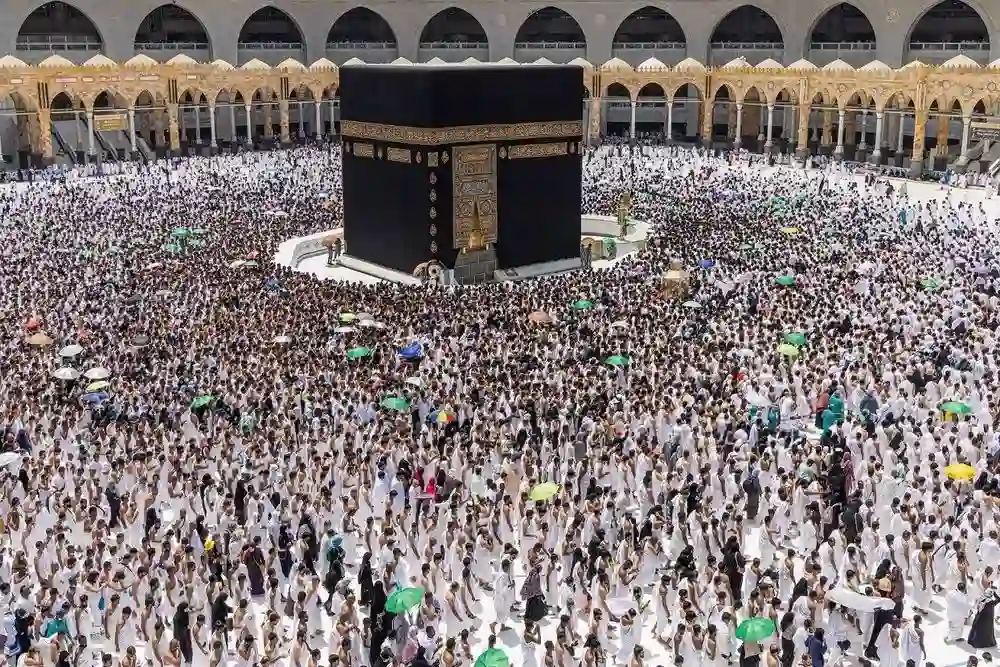
When comparing Easter umrah packages, it is easy to focus on the information that stands out immediately.
The hotel name, number of nights, flight details and advertised services usually receive the most attention. These are important, but they do not always explain what the journey will actually feel like from one day to the next.
An itinerary can contain all the expected elements and still leave important questions unanswered.
How much movement is involved? What happens between arrival and check-in? How are the different stages of the journey connected? Which parts are fixed, and which are left for you to arrange yourself?
Reading an itinerary carefully can help you understand the practical shape of an Easter Umrah before committing to a package.
Start by Reading the Journey in Order
Instead of jumping directly to the hotel information, read the itinerary from beginning to end.
Imagine yourself following each stage.
You leave home in Britain, travel to the airport, take the flight, arrive in Saudi Arabia, complete the necessary procedures, meet any arranged transport and eventually reach your accommodation.
Then consider what happens afterwards.
Where do you go next? How long do you remain in each city? When does the return journey begin?
This approach turns a package from a list of separate inclusions into an actual journey.
It can also reveal details that are easy to overlook when comparing packages through individual features.
Look at What Happens Between the Major Stages
Travel descriptions often concentrate on the major points.
For example, a package may clearly state the departure airport, hotel and return flight.
But what happens between those points?
There may be airport transfers, hotel check-in, movement between Makkah and Madinah or other transport arrangements.
These transitions matter because travelling internationally involves more than simply moving from one named location to another.
When comparing Easter umrah packages from UK, consider whether the itinerary gives you enough information to understand these connecting stages.
If something is unclear, it is worth asking about it before booking.
Don't Judge an Itinerary Only by the Number of Nights
The number of nights is useful information, but it does not tell you everything.
Two packages with the same duration can feel very different depending on how the days are arranged.
One may have a straightforward sequence with relatively few changes.
Another may involve more movement between destinations or a tighter series of travel arrangements.
This is why looking at the order of the itinerary can be more informative than simply counting nights.
Think about how the journey develops rather than treating every day as identical.
Pay Attention to Arrival Day
The arrival day deserves particular attention.
After travelling from Britain, you may have spent many hours in airports and aircraft before reaching Saudi Arabia.
The practical experience of the first day can therefore depend heavily on what happens after landing.
Look for information about the transfer from the airport, expected arrival at the accommodation and how the first part of the stay is organised.
You do not necessarily need a completely empty first day.
The important point is to understand what the itinerary expects from you after a long international journey.
Examine the Movement Between Cities
For packages that include both Makkah and Madinah, look carefully at how the transition between the two cities is organised.
The transfer is more than a line on an itinerary.
It represents a change from one part of the journey to another.
Consider when the move takes place, how much luggage you will be managing and what the schedule looks like around the transfer.
If you are travelling with other people, think about whether everyone can comfortably manage the transition.
A clear sequence can make the journey easier to understand before you even leave Britain.
Check Whether the Itinerary Leaves Room for Your Own Plans
Not every part of an Umrah journey needs to be organised by the package provider.
In fact, some travellers may prefer having time where they can decide how to use their day.
When reading a package itinerary, identify the fixed arrangements and the periods that remain open.
This distinction is useful.
Fixed elements might include flights, transfers and accommodation. Other parts of your stay may be largely your own responsibility.
Knowing the difference can help you avoid assuming that an activity or service is included simply because it appears to fit naturally into the itinerary.
Look Closely at Transport Descriptions
Transport is one of those areas where wording matters.
A package might state that transfers are included, but you should still understand what that means for your particular journey.
Does the arrangement cover airport transfers?
Does it include movement between Makkah and Madinah?
Are there other journeys that you will need to arrange independently?
You do not need to become an expert in transport logistics.
You simply need enough information to understand where the package begins and ends.
This can be particularly important when comparing umrah packages 2026, because packages with similar headline descriptions may structure their arrangements differently.
Consider the Practical Meaning of Hotel Location
A hotel description can tell you its name and category, but location is part of the practical itinerary too.
Think about where the accommodation fits into your daily movement.
How will you reach the places you intend to visit or worship?
Will you be relying on arranged transport, walking or other local arrangements?
The purpose is not to reduce a hotel decision to distance alone.
Accommodation needs to be considered as part of the wider journey.
A hotel that looks impressive in isolation may create a different experience depending on how it fits with everything else you plan to do.
Look for Information About Check-In and Check-Out
Check-in and check-out can be easy to overlook when planning a pilgrimage.
Yet these are moments when travellers may have luggage with them and limited control over their surroundings.
Look at the relationship between your flight times and accommodation arrangements.
If you arrive early, what does the itinerary say about your arrival at the hotel?
If your return flight is later in the day, when are you expected to leave your room?
These questions do not necessarily mean there is a problem.
They simply help you understand the practical gaps that may exist between one confirmed arrangement and another.
Separate Included Services From Assumptions
One of the most useful habits when reading a package is to distinguish between what is actually stated and what you are assuming.
If transport is listed, check what transport is covered.
If accommodation is included, check the stated room arrangement.
If a service is mentioned without detail, ask for clarification.
This is particularly important when comparing premium packages.
The more attractive a package sounds, the easier it can be to mentally fill in details that have not actually been confirmed.
A careful reading keeps expectations realistic.
Check Current Official Requirements Separately
An itinerary is not a substitute for checking official travel requirements.
Saudi Arabia's Ministry of Hajj and Umrah currently provides an official Umrah Visit Guide stating that Muslim visitors require authorisation to perform Umrah and that the Umrah permit is obtained through the Nusuk application.
Requirements and procedures can change, so travellers should check current official guidance close to departure rather than relying solely on an old itinerary, social media post or advice from another traveller.
The package provider can explain its own arrangements, while official sources should be used for current regulatory information.
Read the Itinerary as a Real Traveller
A useful final exercise is to stop reading the itinerary as a document and imagine living through it.
Picture waking up on each day.
Where are you?
What happens next?
Do you need to travel?
Do you have to collect luggage?
Are you moving between hotels?
Is there a fixed arrangement you need to be ready for?
Are there parts of the day that you can organise yourself?
This exercise can reveal whether you actually understand the journey.
If you repeatedly reach a point where you think, “What happens here?”, that is a useful question to take back to the travel provider.
Make a List of Unanswered Questions
You do not need to find an itinerary that explains absolutely everything.
Travel involves variables, and some details will naturally depend on circumstances.
Instead, make a short list of anything that remains unclear.
For example:
- What is included in each transfer?
- When are we expected to leave each hotel?
- Which parts of the journey are independently arranged?
- What happens between arrival and accommodation?
- Are there any important timings we should know before departure?
Getting answers before booking can make the package much easier to understand.
Think About the Return Journey as Carefully as the Outbound Journey
Travellers often spend more time examining the departure than the return.
But the final stages of an Umrah can be just as important.
Look at the sequence from your final hotel departure to the airport and then back to Britain.
Consider how luggage, transport and flight timings fit together.
The return journey is part of the package experience too, even though the excitement of booking naturally tends to centre on the outbound trip.
Compare the Structure, Not Just the Features
When looking at a Best umrah travel agency UK, the package itself should be examined as a complete structure.
Rather than counting how many features appear in the description, ask whether the individual arrangements make sense together.
A useful package description should help you understand the journey rather than simply persuade you to book it.
That means paying attention to sequence, movement, responsibilities, open time and the points where you may need additional information.
Conclusion
Choosing between Easter umrah packages becomes easier when you look beyond the headline features.
Read the itinerary from beginning to end. Examine the transitions between flights, accommodation and cities. Pay attention to arrival and departure days, transport arrangements, check-in and check-out, and the difference between confirmed services and assumptions.
The goal is not to make the planning process complicated.
It is to understand what the journey will actually involve before you commit to it.
For British Muslims travelling during the Easter period, that extra attention can make package comparisons more meaningful. Instead of choosing based purely on a hotel name, number of nights or list of inclusions, you can assess how the complete itinerary fits together.
A clear understanding of the journey gives you a much stronger starting point for making your own travel decision.