Designing a Complete Access Control Architecture for Modern Buildings
By Boom Barrier 23-04-2026 165
The Hidden Problem in Modern Security Systems
Most buildings today invest heavily in security systems—but very few design them correctly.
The result?
Fragmented access control, inefficient entry management, and vulnerabilities that aren’t caused by weak devices—but by poor system architecture.
Access control is not a hardware problem. It’s a design problem.
Without a structured approach, even advanced technologies fail to deliver consistent and scalable security.
What Is Access Control Architecture
Access control architecture is the strategic design of how people, technology, and entry points interact within a controlled environment.
It defines:
- Who can enter
- When they can enter
- Where they can go
- How their movement is tracked
But more importantly, it determines how all system components work together under real-world conditions, not just in ideal scenarios.
Why Most Access Control Systems Underperform
Here’s the uncomfortable reality:
Many facilities install high-quality security devices—yet still experience:
- Unauthorized access incidents
- Entry bottlenecks during peak hours
- Lack of visibility into movement patterns
The root cause is rarely the device itself.
It’s the absence of a cohesive system architecture.
In high-traffic environments like corporate offices or industrial facilities, even small design gaps can create large operational inefficiencies.
The Core Layers of a High-Performance Access Control System
A well-designed architecture operates through clearly defined layers—each with a specific role.
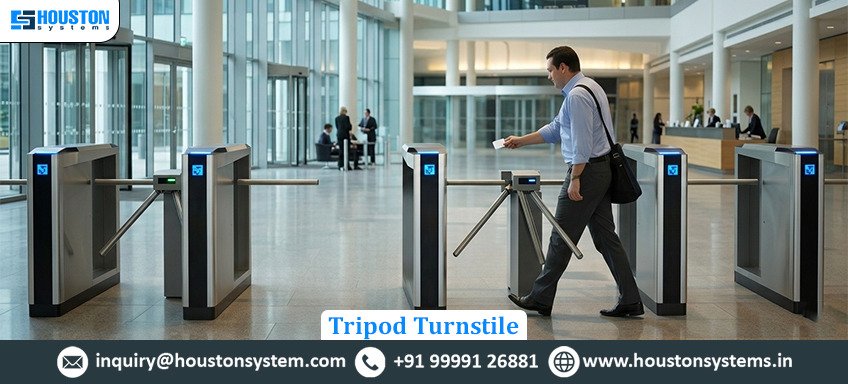
1. Entry Layer (Physical Control)
This is where movement is physically regulated.
Instead of relying on manual supervision, modern systems use controlled entry mechanisms to:
- Prevent tailgating
- Maintain one-person-per-entry flow
- Create structured movement at access points
This layer sets the foundation for all other security processes.
2. Authentication Layer
This layer verifies identity using:
- RFID credentials
- Biometric systems
- Mobile or QR-based access
It acts as the decision gate, ensuring only authorized individuals proceed further.
3. Control Layer
The control system connects hardware and software logic.
It:
- Processes authentication data
- Grants or denies access
- Synchronizes system-wide decisions
This is where real-time decision-making happens.
4. Monitoring & Intelligence Layer
This is where access control becomes intelligent rather than reactive.
It provides:
- Entry and exit logs
- Real-time monitoring dashboards
- Alerts for unusual activity
- Data for operational insights
Organizations can use this data to optimize both security and efficiency.
Integration: The Difference Between Systems That Work and Systems That Scale
One of the biggest differences between average and high-performing systems is integration.
Disconnected systems create friction.
Integrated systems create control.
Integrated environments allow organizations to move beyond isolated tools and adopt secure access control solutions that ensure consistency across all entry points.
In a modern architecture:
- Entry systems communicate with authentication devices
- Software platforms sync with centralized databases
- Real-time updates flow across all access points
This transforms access control from a standalone function into a connected ecosystem.
Designing for Real-World Conditions
A common mistake in access control design is planning for normal conditions instead of peak scenarios.
Consider this:
- Morning office rush
- Shift changes in factories
- Event-based crowd surges
Without proper design, these situations lead to:
- Congestion
- Delays
- Security compromises
A strong architecture accounts for flow, volume, and unpredictability.
A Practical Insight Most Systems Ignore
In many facilities, security teams focus on who enters but ignore how people move.
This creates a gap between:
- Access approval
- Actual movement control
The most effective systems align both.
Because controlling access without controlling movement leads to operational blind spots.
Where This Architecture Matters Most
A structured access control architecture is critical in:
- Corporate offices with high employee movement
- Manufacturing units with shift-based entry
- Educational campuses with mixed user groups
- Transport hubs handling continuous footfall
Each environment has different needs—but the principle remains the same:
Security must be designed, not just installed.
Final Perspective: Architecture Determines Outcome
Technology alone does not guarantee security.
A building can have advanced devices, modern authentication systems, and powerful software—yet still fail to achieve effective control.
The difference lies in how these elements are structured and connected.
Without a well-defined architecture, systems remain fragmented.
With the right architecture, they become scalable, efficient, and reliable.