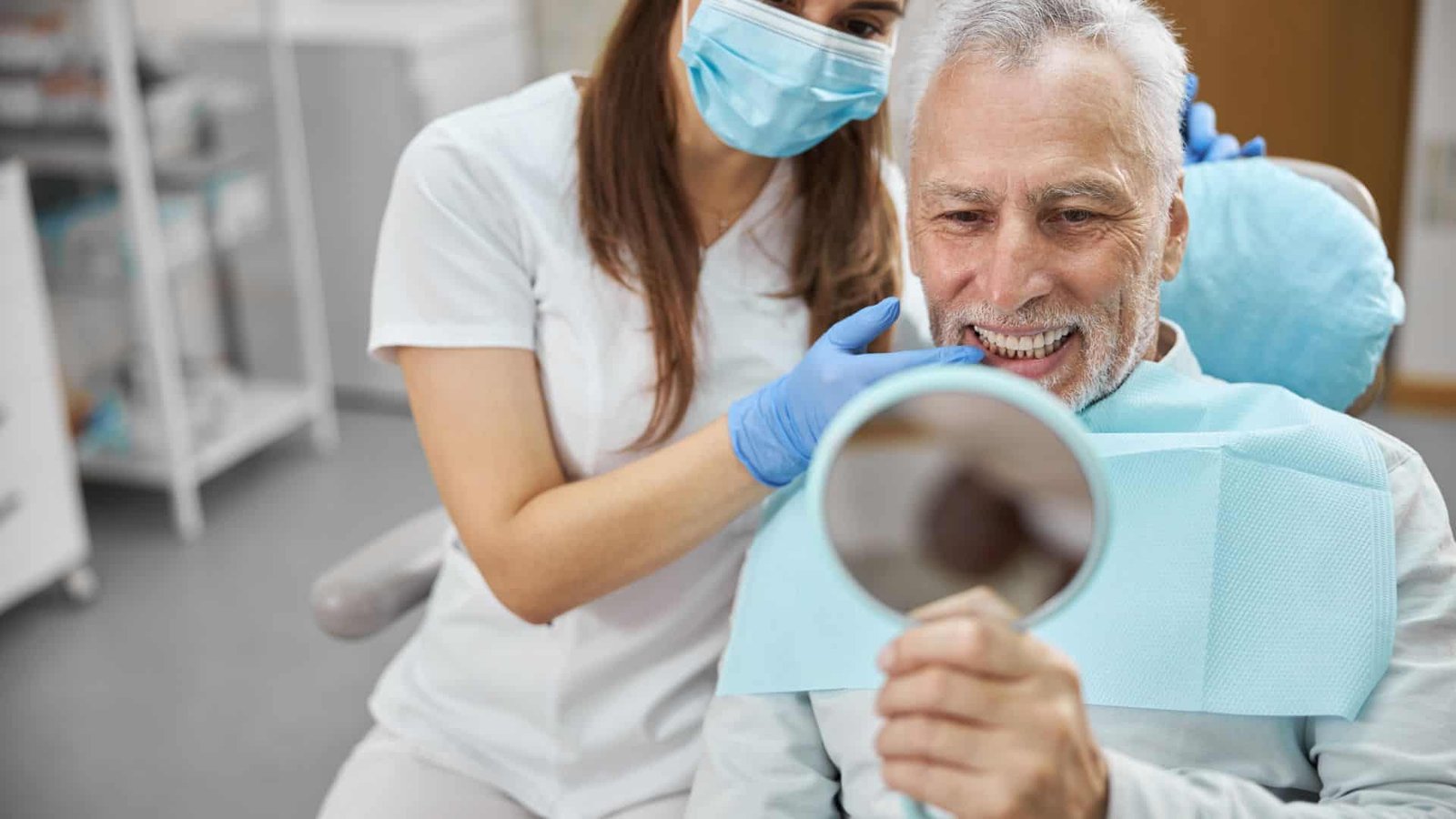
Dentist in Suffern Compares: Veneers vs. Bonding for Your Dream Smile
By Promise Family Dental 29-09-2026 8
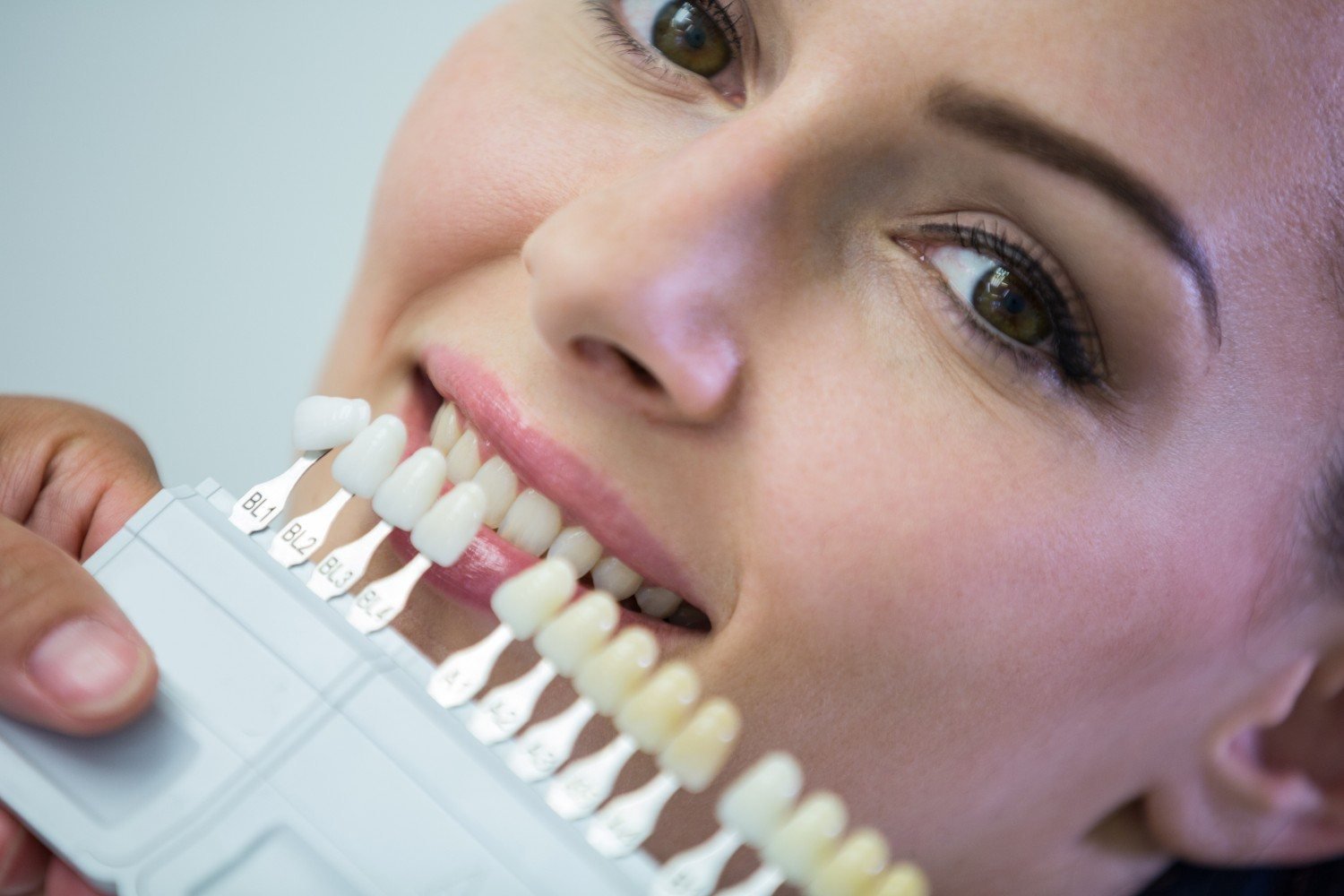
Chipped teeth, small gaps, or stubborn stains can make you feel self-conscious every time you smile. The good news is that cosmetic dentistry offers simple solutions for these common concerns. A dentist in Suffern can help you choose between two popular options: porcelain veneers and dental bonding. Both treatments improve how your teeth look, but they differ in cost, durability, and the type of results they deliver. Here is what you need to know before making a decision.
What Is Dental Bonding?
Dental bonding is a cosmetic procedure where a tooth-colored composite resin is applied directly to the surface of a tooth. Your dentist shapes the resin to fix minor chips, cracks, gaps, or discoloration. The material is then hardened with a special light.
The entire process is completed in a single visit. It usually takes about 30 to 60 minutes per tooth. Little to no enamel is removed, making it one of the least invasive cosmetic treatments available.
Best Candidates for Bonding
- Patients with minor chips or small cracks
- Those looking to close small gaps between teeth
- Anyone with slight tooth discoloration
- Patients who want a quick, budget-friendly cosmetic fix
What Are Porcelain Veneers?
Porcelain veneers are thin, custom-made shells that cover the front surface of your teeth. They are crafted from ceramic material in a dental lab and bonded permanently to the tooth. Veneers require two to three visits to complete because the shells need to be designed and fabricated to match your smile.
About 0.5mm of enamel is removed during preparation, which makes the process irreversible. However, veneers offer a more dramatic and long-lasting transformation compared to bonding.
Best Candidates for Veneers
- Patients with moderate to severe discoloration that whitening cannot fix
- Those with worn, uneven, or slightly misaligned front teeth
- Anyone looking for a complete smile makeover across multiple teeth
- Patients who want results that last 10 years or longer
How a Dentist in Suffern Helps You Choose the Right Option
Choosing between veneers and bonding depends on your specific dental concerns, budget, and long-term goals. A Suffern dentist will evaluate your teeth and recommend the option that fits your situation best.
Here is a quick comparison to help you understand the key differences:
- Cost: Bonding typically ranges from $300 to $600 per tooth. Veneers cost between $900 and $2,500 per tooth.
- Durability: Bonding lasts about 3 to 7 years. Veneers can last 10 to 20 years with proper care.
- Procedure time: Bonding is done in one visit. Veneers require two to three appointments over several weeks.
- Stain resistance: Composite resin can pick up stains over time. Porcelain resists staining much better.
- Tooth preparation: Bonding preserves most of your natural enamel. Veneers require a thin layer of enamel to be removed.
According to the American Prosthodontic Society, porcelain veneers have a survival rate of about 94.4% at five years after placement. This makes them one of the most reliable cosmetic dental treatments available today.
Why Cosmetic Dentistry Is Growing in Demand
Interest in cosmetic dental procedures has risen sharply in recent years. According to industry data, about 1 in 5 Americans have had at least one cosmetic dental procedure. Around 600,000 Americans receive veneers each year, and the U.S. cosmetic dentistry market is projected to reach $8.88 billion by 2034.
Whether you are considering bonding or veneers, speaking with your dentist is the best first step. A thorough evaluation helps ensure you choose the treatment that matches your oral health needs and smile goals.
Frequently Asked Questions
Q1. Is dental bonding or veneers better for chipped teeth?
For minor chips, dental bonding is usually the better choice. It is quicker, less expensive, and preserves more of your natural tooth. For larger chips or damage across multiple teeth, a Dentist in Suffern may recommend veneers for a more uniform result.
Q2. Do veneers look more natural than bonding?
Both can look very natural when done by an experienced dentist. Porcelain veneers tend to mimic the light-reflecting properties of natural teeth more closely. Bonding also blends well but may not match as precisely over time, especially if staining occurs.
Q3. Can bonding be replaced with veneers later?
Yes. Many patients start with bonding for a quick improvement and upgrade to veneers later when they are ready for a longer-lasting solution. Your dentist can guide you through the transition.
Q4. How do I take care of bonding and veneers?
Both require good oral hygiene. Brush twice a day, floss daily, and visit your Dentist in Suffern for regular checkups. Avoid biting hard objects like ice or pens. Bonding may need touch-ups every few years, while veneers are more durable with routine care.
Q5. Does insurance cover veneers or bonding?
Most dental insurance plans consider veneers and bonding to be cosmetic, so coverage is limited. However, if the procedure is needed for structural reasons, partial coverage may apply. Check with your insurance provider and your dental office for details.