December Umrah Packages from Birmingham: Preparing for the Journey Between Two Worlds
By Oliver James 03-10-2026 16
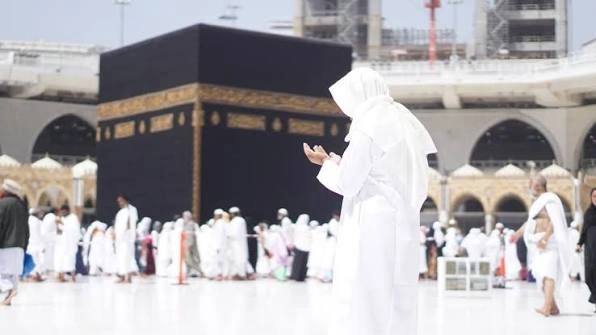
Travelling from Britain to Saudi Arabia for Umrah involves more than covering a physical distance. You are moving from one familiar environment into another, with different surroundings, routines and expectations.
For Muslims considering December Umrah packages from Birmingham, this transition can be easier when it is approached deliberately. Instead of thinking only about flights, hotels and transfers, it is worth considering how you will adapt from your ordinary routine in Birmingham to life in Makkah and Madinah.
December can be a particularly useful time to think about this transition because the journey often takes place alongside the normal pressures of work, family responsibilities and the end of the calendar year.
The better prepared you are for the change in environment, the less likely you are to spend your first days dealing with avoidable uncertainty.
Leave Your Ordinary Routine at Home
Most people have established routines in Britain.
You know where you shop, how you travel, when you normally eat and what your day looks like.
That familiarity disappears when you arrive in Saudi Arabia.
You may wake at different times, walk considerably more than usual, eat at unfamiliar times and organise your day around prayer and pilgrimage activities.
Rather than expecting yourself to maintain exactly the same routine, accept that your schedule will change.
This does not mean abandoning structure.
It means creating a simpler structure that suits your surroundings.
Give Yourself Time to Settle In
One of the easiest mistakes is assuming that arriving in Saudi Arabia immediately means you are ready for everything the itinerary contains.
International travel can be tiring.
After leaving Birmingham, spending hours in transit and completing arrival procedures, you may need time to settle into your accommodation.
Use that opportunity to organise your belongings, identify important facilities and make sure everyone travelling with you understands the basic plan.
A little time spent settling in can make the following days feel more manageable.
Learn the Environment Before You Need It
You do not need to memorise every street or become an expert in navigating Saudi Arabia before you travel.
However, having a basic understanding of your surroundings can be useful.
Once you arrive, identify practical locations around your accommodation.
Where is the nearest suitable route for leaving the hotel?
Where can you obtain basic necessities?
What is the easiest way for your group to return to the accommodation?
If you are travelling with family members, make sure everyone understands the name and location of the hotel.
This information becomes especially useful if someone becomes separated from the group.
Don't Expect Every Day to Feel Familiar
A pilgrimage can involve a different rhythm from ordinary life.
You may spend considerable time around the Holy Mosques, move between accommodation and places of worship, and organise your day around prayer.
The environment may also be busy and unfamiliar.
For someone travelling from Birmingham, it can take a little time to become comfortable with these surroundings.
That is normal.
Rather than comparing every part of the experience with life in Britain, allow yourself to adapt gradually.
The purpose of travelling is not to recreate your normal routine somewhere else.
It is to experience a different environment while keeping the practical aspects of your journey manageable.
Prepare for Different Forms of Communication
You do not need to speak fluent Arabic to travel for Umrah.
However, having a few useful words and phrases can make everyday interactions more comfortable.
Simple greetings, numbers, directions and basic requests can be useful when dealing with shops, transport or other everyday situations.
Your phone can also help with translation when necessary.
At the same time, do not assume that every problem can be solved through an app.
Keep important hotel and travel information written down or saved somewhere accessible.
If you need assistance, being able to show the name of your accommodation or a booking detail can make communication easier.
Keep Your Group on the Same Page
When travelling with several people, everyone does not need to stay together every second.
But everyone should understand the basic arrangements.
Before leaving the hotel, make sure family members know where they are expected to meet later.
This is particularly useful when travelling with children or older relatives.
A simple meeting point can prevent a small separation from becoming a stressful situation.
The same principle applies when travelling between Makkah and Madinah.
Everyone should know when the group is expected to leave, what luggage needs to be ready and where they need to be at the agreed time.
Keep Important Information Accessible
A change of environment makes it more important to know where your essential information is.
Keep your accommodation details, travel arrangements, emergency contacts and relevant documents accessible.
GOV.UK advises British pilgrims to keep passports and travel documentation safe and recommends carrying copies while leaving a copy with friends or family. It also advises checking current visa, health and medication requirements before travel.
This is particularly useful if you are travelling as part of a family.
One responsible adult can also keep a shared copy of important booking information so that the group is not dependent on a single person's phone.
Understand That Official Guidance Can Change
Planning several months ahead is useful, but information that applies at the time of research may not necessarily be the information that applies on your travel date.
Visa procedures, permits and other requirements should therefore be checked again before travelling.
The Saudi Ministry of Hajj and Umrah's current Umrah and Visit Guide states that Muslim visitors require authorisation to perform Umrah and that the Umrah permit is obtained through the Nusuk application.
For anyone arranging December Umrah package 2026, this is an important reminder to distinguish between general travel advice and the requirements that apply to your specific journey.
Official information should take priority over old social media posts, outdated articles or advice from previous trips.
Give Yourself a Flexible Daily Structure
A useful routine does not need to be rigid.
You might organise your day around prayer times, meals, rest and time at the mosque.
Within that structure, leave some room for changes.
Perhaps you spend longer somewhere than expected. Maybe a family member needs additional rest. Perhaps transport takes longer than planned.
A flexible structure allows you to adjust without feeling that the entire day has been disrupted.
This can be particularly helpful during a pilgrimage, where not everything will necessarily happen according to the timetable you imagined at home.
Remember That Makkah and Madinah May Feel Different
Moving between Makkah and Madinah can introduce another change of environment.
Instead of expecting both parts of the journey to feel identical, allow yourself to experience each place according to its own rhythm.
Your accommodation may change. Your daily route may change. The amount of movement involved may change.
That transition can be easier when your group treats it as a new stage rather than simply another hotel check-in.
Prepare your belongings before the transfer, confirm the arrangements and make sure everyone knows what is happening.
Keep Your Expectations Realistic
Travel content often presents pilgrimage as a perfectly organised experience.
Real journeys are rarely that simple.
There may be queues, tiredness, unexpected delays, crowded areas or moments when you need to change your plans.
That does not mean something has gone wrong.
Sometimes it simply means you are travelling.
Having realistic expectations can make it easier to respond calmly when circumstances change.
The objective is not to eliminate every inconvenience.
It is to avoid allowing minor practical difficulties to dominate your experience.
Make Technology Helpful, Not Essential
Your phone can be extremely useful during Umrah.
It can store booking information, provide maps, help with translation and give you access to official resources.
Saudi Arabia's Ministry of Hajj and Umrah has also expanded digital services through Nusuk, including information and support features for pilgrims.
But technology should support your journey rather than become the centre of it.
Keep your phone charged, but also know the basic information you need without depending entirely on an internet connection.
A saved hotel address, important telephone number and booking reference can be useful if connectivity becomes inconvenient.
Prepare for the Return to Birmingham
The transition does not end when your return flight lands.
After travelling back to Birmingham, you may need to return to work, school, family responsibilities and your normal household routine.
The contrast can feel surprisingly sharp.
Instead of filling your first day home with unnecessary commitments, consider allowing yourself some time to rest and reorganise.
You may also need to unpack, deal with laundry, sort belongings and adjust your sleep routine.
A little breathing room can make the return easier.
Let the Change of Environment Become Part of Your Preparation
Ultimately, planning December Umrah packages is not only about arranging transport and accommodation.
It is also about preparing yourself for a different environment.
You are leaving the familiar surroundings of Birmingham and entering a journey that may involve different routines, unfamiliar places and a new daily rhythm.
You do not need to predict every detail.
You simply need to prepare enough that the practical changes do not come as a complete surprise.
For those researching umrah packages 2026, this broader perspective can be useful.
Think beyond the booking itself.
Consider how you will adapt, how your group will communicate, how you will manage essential information and how you will transition back home.
When the practical side of the journey has been considered in advance, there is more room to focus on the reason you travelled in the first place.