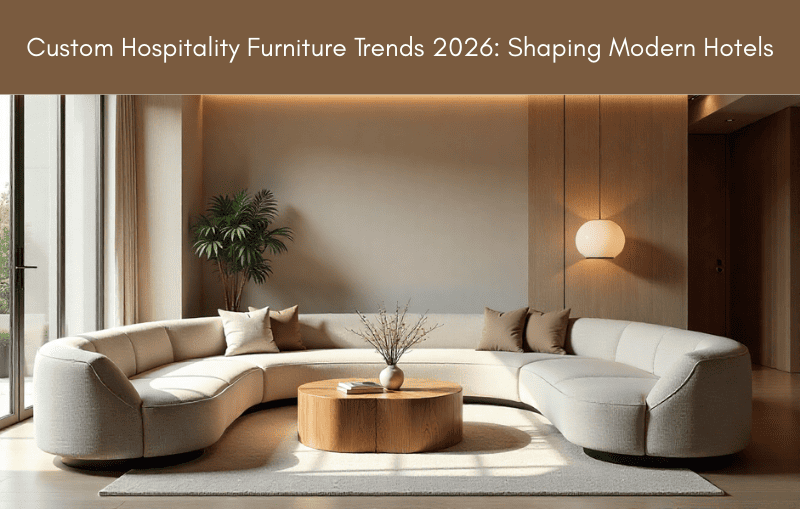
The hospitality industry is constantly adapting to meet the expectations of modern travelers. Guests now seek experiences that blend comfort, functionality, and style in unique ways. Custom hospitality furniture plays a pivotal role in this transformation, allowing hotels to create tailored environments that stand out in a competitive market.
As decision-makers in the sector evaluate options, understanding emerging patterns can guide investments toward pieces that enhance guest satisfaction and operational efficiency. This article explores key shifts influencing hotel interiors, drawing from industry insights to help professionals make informed choices.
Sustainability in Material Choices
Environmental consciousness is driving a major shift in how hotels approach their furnishings. More establishments are prioritizing eco-friendly options, such as reclaimed wood, recycled metals, and low-VOC finishes. Hospitality furniture manufacturers are responding by developing lines that minimize environmental impact without compromising durability.
This trend extends to custom hotel furniture, where designers collaborate with suppliers to incorporate sustainable elements into bespoke pieces. For instance, modular seating made from biodegradable fabrics not only reduces waste but also appeals to eco-aware guests, fostering loyalty in an era where green practices influence booking decisions.
Integration of Technology
Today's hotels are embedding smart features directly into their setups to elevate the guest experience. From charging ports built into side tables to adjustable lighting in headboards, tech-infused designs are becoming standard. Hospitality contract furniture often includes these innovations, ensuring seamless connectivity for business and leisure travelers alike.
Hotel furniture suppliers are innovating with materials that support wireless capabilities, like conductive surfaces for device charging. This approach allows for personalized room controls, such as voice-activated systems, making spaces more intuitive and efficient for both guests and staff.
Multi-Functional Designs for Flexible Spaces
Space optimization is crucial in hospitality settings, especially with the rise of hybrid travel needs. Furniture that serves multiple purposes, such as convertible sofas or extendable tables, is gaining traction among hotel furniture manufacturers in USA. These pieces enable quick reconfiguration of areas for events, work, or relaxation.
Custom hospitality furniture excels here by offering tailored solutions that adapt to varying guest demands. For example, lobby areas might feature modular units that transform from seating to workspaces, maximizing utility in limited footprints while maintaining aesthetic appeal.
Biophilic Elements for Wellness
Connecting guests with nature through design is a growing priority, promoting relaxation and well-being. Incorporating natural motifs, like organic shapes or plant-integrated shelving, is a hallmark of modern hospitality furniture. This trend draws from biophilic principles, using elements such as wood grains and earthy tones to create calming atmospheres.
Luxury hotel furniture often amplifies this by blending custom pieces with live greenery or water features. Hospitality furniture suppliers are providing options that facilitate these integrations, helping hotels craft restorative environments that encourage longer stays and positive reviews.
Bold Aesthetics and Personalization
Visual impact is key to memorable hotel experiences, with bolder colors, patterns, and textures emerging in furnishings. Moving away from neutral palettes, designers are embracing vibrant accents in upholstery and finishes. Commercial hospitality furniture now includes customizable options that reflect a property's unique identity, from urban chic to coastal vibes.
Hotel furniture manufacturers are facilitating this through advanced fabrication techniques, allowing for intricate details in custom orders. This personalization not only differentiates brands but also resonates with guests seeking authentic, Instagram-worthy spaces.
Emphasis on Durability and Maintenance
In high-traffic environments, longevity is non-negotiable. Trends lean toward robust materials like reinforced composites and stain-resistant fabrics, ensuring pieces withstand daily use. Hospitality furniture manufacturers focus on engineering solutions that balance elegance with practicality, reducing replacement costs over time.
For custom hotel furniture, this means specifying components that are easy to clean and repair. Suppliers are offering warranties and maintenance guides, empowering hotel operators to maintain high standards without excessive downtime or expense.
Cultural and Local Influences
Hotels are increasingly drawing inspiration from their surroundings to create immersive experiences. This involves sourcing or designing furniture that incorporates local artistry, such as handcrafted elements or regionally inspired motifs. Modern hospitality furniture reflects this by blending global trends with cultural nuances, enhancing a sense of place.
Hospitality contract furniture providers are partnering with artisans to produce limited-edition pieces. This approach not only supports communities but also attracts travelers interested in authentic cultural engagements, boosting a property's appeal.
Outdoor and Transitional Spaces
The boundary between indoor and outdoor areas is blurring, with furniture designed for versatility across environments. Weather-resistant materials and modular setups allow for seamless transitions, ideal for patios, rooftops, or poolside lounges. Luxury hotel furniture in these spaces emphasizes comfort with ergonomic designs and UV-protected finishes.
Hotel furniture suppliers are expanding offerings to include customizable outdoor collections that match interior styles. This cohesion creates unified experiences, encouraging guests to explore all amenities while maximizing revenue from underutilized areas.
Health and Hygiene Focus
Post-pandemic priorities have elevated sanitation in design considerations. Antimicrobial coatings and easy-to-sanitize surfaces are now integral to commercial hospitality furniture. Manufacturers are innovating with non-porous materials that resist bacteria, ensuring safer environments for guests and staff.
In custom hospitality furniture, this translates to selections like seamless tabletops or removable cushions for thorough cleaning. Such features not only comply with health standards but also reassure visitors, contributing to higher occupancy rates.
Future-Proofing with Modular Systems
Anticipating change is essential, leading to a surge in modular configurations that can evolve with needs. Hotel furniture manufacturers in USA are producing interchangeable components, from bed frames to storage units, allowing for easy updates without full overhauls.
This modularity in hospitality contract furniture supports scalability, whether expanding rooms or refreshing aesthetics. It empowers decision-makers to invest in adaptable solutions that align with long-term strategies, ensuring sustained relevance in a dynamic industry.
Conclusion: Embracing Innovation for Lasting Impact
The landscape of hotel design is evolving rapidly, with custom hospitality furniture at the forefront of these changes. By integrating sustainable practices, technology, and personalized elements, hotels can create spaces that captivate and retain guests. Hospitality furniture suppliers and manufacturers continue to push boundaries, offering tools for professionals to build resilient, guest-centric properties.
As the industry moves forward, staying attuned to these trends will be key to success. Investing in quality, innovative pieces not only enhances immediate experiences but also positions hotels for future growth in a competitive market.