Saudi Arabia’s construction industry is undergoing a period of significant transformation as large-scale urban developments, smart city initiatives, and infrastructure modernization projects continue to expand. These investments are creating sustained demand for advanced building materials that improve energy efficiency, structural durability, and architectural aesthetics. Among these materials, construction glass has become increasingly important due to its ability to support sustainable building practices while enhancing modern design.
The Saudi Arabia Construction Glass Market reflects this shift toward high-performance building solutions. Valued at approximately USD 800 million in 2025, the market is projected to reach nearly USD 1,225 million by 2032, growing at a CAGR of around 6.28% during 2026–2032. The market is shaped by the rising adoption of energy-efficient glazing systems, increasing commercial developments, and government-backed infrastructure programs. Readers seeking broader insights into construction glazing industry trends in Saudi Arabia can explore detailed market coverage through the published research.
Beyond its traditional role as a transparent building material, modern architectural glass now contributes to thermal insulation, daylight optimization, acoustic performance, and environmental sustainability. These evolving applications continue to influence purchasing decisions across residential, commercial, and industrial construction projects throughout the Kingdom.
Government Infrastructure Programs Continue to Support Demand
Saudi Arabia's ambitious economic diversification strategy has accelerated investment in transport networks, commercial districts, tourism developments, and residential communities. Mega projects require high-performance glazing systems capable of delivering energy savings while meeting increasingly sophisticated architectural requirements.
Large-scale mixed-use developments, airports, hospitality projects, and public infrastructure are incorporating advanced glass technologies that improve building performance without compromising visual appeal. As construction activity expands across multiple sectors, demand for innovative glazing solutions continues to rise.
Energy Efficiency Is Becoming a Core Selection Factor
Energy-efficient buildings have become a strategic priority as developers seek to reduce operational costs and improve environmental performance. Construction glass plays a central role by minimizing solar heat gain, improving insulation, and maximizing natural daylight within buildings.
Low-emissivity (Low-E) glass, insulated glazing units, laminated glass, and solar-control glass are increasingly being specified in new developments. These products help reduce air-conditioning loads while enhancing occupant comfort, making them particularly valuable in Saudi Arabia's hot climate. According to the International Energy Agency, improving building efficiency remains one of the most effective approaches for reducing energy consumption in the built environment.
Architectural Innovation Is Driving Product Development
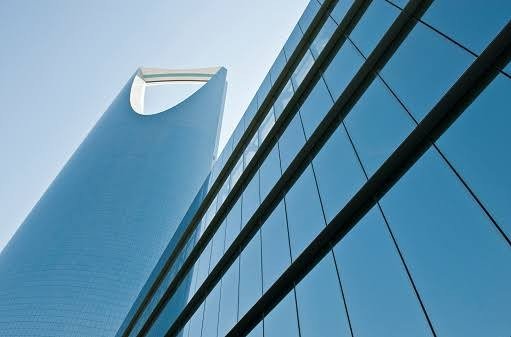
Modern construction increasingly emphasizes expansive glass façades, panoramic windows, skylights, and visually distinctive building exteriors. Architects are demanding glazing materials that combine strength, safety, thermal performance, and design flexibility.
Manufacturers continue to introduce products with improved durability, enhanced UV protection, higher impact resistance, and smart functionality. Innovations such as switchable smart glass and digitally coated glazing solutions are gradually expanding opportunities within premium commercial and institutional projects.
Commercial Buildings Remain Major End Users
Office towers, hotels, healthcare facilities, educational institutions, retail centers, and entertainment complexes account for a substantial share of construction glass consumption. These projects often require specialized glazing systems designed to meet stringent performance and safety requirements while supporting modern architectural concepts.
Commercial developers also increasingly prioritize products that contribute toward green building certifications by improving energy performance and indoor environmental quality. This trend continues to encourage investment in technologically advanced glazing solutions.
Sustainability Expectations Continue to Influence the Market
Environmental considerations are becoming increasingly important throughout the construction value chain. Developers, contractors, and material suppliers are focusing on products with longer service life, improved recyclability, and lower environmental impact.
Construction glass supports these objectives through enhanced energy efficiency and reduced lifecycle operating costs. Manufacturers are also investing in cleaner production processes and recyclable materials to align with evolving sustainability goals across the global construction industry. The World Green Building Council highlights high-performance building envelopes as an important component of reducing operational carbon emissions.
Future Outlook
The Saudi construction sector is expected to maintain positive momentum as urban expansion, infrastructure investment, and economic diversification initiatives continue over the coming years. Demand for advanced glazing solutions is likely to benefit from the growing emphasis on sustainable construction, energy-efficient buildings, and premium architectural designs.
As per the study published by MarkNtel Advisors, the Saudi Arabia Construction Glass Market is expected to expand steadily through 2032, supported by continued infrastructure development, technological innovation, and increasing adoption of high-performance glass across residential and commercial applications. These long-term industry trends position construction glass as an increasingly important component of the Kingdom's evolving built environment.