Construction Defect Expert Witness and Structural Engineer for Litigation Support
By Preeminent Solutions 13-02-2026 110
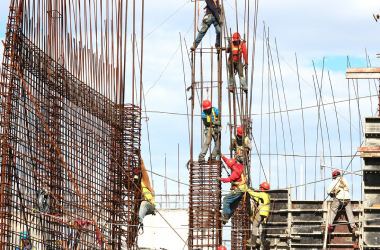
A Construction Defect Expert Witness and Structural Engineer provides technical analysis and professional testimony in cases involving building failures, design errors, and construction disputes. They review plans, inspect site conditions, evaluate code compliance, and determine the root cause of structural issues. Their clear, evidence based findings help attorneys, insurers, and courts understand complex engineering matters and support fair legal outcomes. They also prepare detailed written reports that can withstand legal scrutiny. Their objective evaluations strengthen negotiation positions and courtroom presentations. With strong communication skills, they translate complex structural concepts into clear, practical explanations.
The Role of Structural Expertise in Legal Disputes
Construction disputes can quickly become complex when technical failures, design concerns, or material performance issues are involved. Legal teams often face the challenge of translating engineering details into arguments that judges and juries can clearly understand. Without credible technical insight, even strong legal strategies can lose direction.
Engineering failures are rarely caused by a single factor. They may involve design miscalculations, construction errors, material defects, or long term maintenance neglect. In these situations, independent structural analysis provides clarity. A qualified professional reviews drawings, inspects site conditions, evaluates code compliance, and explains findings in language that supports legal decision making.
Why Technical Testimony Changes Outcomes
A Construction Defect Expert Witness and Structural Engineer plays a central role when building failures or performance issues lead to litigation. This professional examines whether the structure was designed and constructed according to accepted standards and whether any deviation contributed to the problem. By reviewing construction documents, field reports, and inspection records, the engineer identifies where responsibility may lie.
Clear technical testimony often shifts the direction of a case. Courts rely on measurable evidence, not assumptions. When an experienced engineer explains load paths, foundation movement, material stress, or structural connections in practical terms, the argument becomes grounded in fact. This strengthens credibility and reduces speculation.
Firms such as Psengrinc understand the importance of objective evaluation in these matters. An expert must remain neutral, basing conclusions on engineering principles rather than advocacy. This objectivity builds trust with legal professionals and decision makers.
Investigating Failures with Precision
Structural investigations require a methodical approach. The engineer begins by gathering available documentation, including original design plans, revisions, shop drawings, and inspection reports. Site visits follow, where physical conditions are documented through measurements, photographs, and testing when necessary.
Once information is collected, analysis begins. Calculations verify whether the structure could safely carry intended loads. Material testing may confirm strength and durability. Code requirements are reviewed to determine compliance at the time of construction. Through this process, technical facts replace uncertainty.
In court, the engineer explains not only what failed but why it failed. This distinction matters. Identifying the root cause clarifies whether responsibility rests with designers, contractors, suppliers, or external forces. Well supported conclusions often encourage settlement before trial because opposing parties recognize the strength of documented evidence.
Addressing High Risk and Specialized Facilities
Some projects demand an even higher level of structural oversight due to safety implications and regulatory scrutiny. Facilities tied to energy, aerospace, or advanced research require engineers who understand unique performance standards and environmental demands.
Nuclear SMR Reactor and Forensic Structural Engineer
In highly sensitive environments, a Nuclear SMR Reactor and Forensic Structural Engineer evaluates structural systems designed to withstand extreme loads, thermal stresses, and safety requirements. Small modular reactor facilities involve reinforced concrete containment structures, seismic design considerations, and strict regulatory codes. Any structural concern within such a facility must be examined with precision and deep technical understanding.
Forensic evaluation in this context may involve reviewing reinforcement detailing, concrete performance, anchorage systems, and structural redundancy. The analysis must confirm that the facility meets safety margins established by governing authorities. When disputes arise, whether related to design errors or construction quality, technical testimony carries significant weight because of the potential consequences.
The complexity of these facilities requires disciplined documentation and careful explanation. Courts and regulatory bodies expect conclusions supported by measurable data. The engineer’s ability to translate advanced structural analysis into understandable testimony becomes essential.
Communicating Findings in Court
Technical skill alone is not enough. Effective communication defines the impact of expert testimony. Judges and juries may not be familiar with engineering terminology, so clarity matters. A skilled expert explains how forces move through beams and columns, how foundations distribute weight, and how design decisions influence performance over time.
Preparation is key. Reports must be detailed yet readable, organized in a logical flow that mirrors the investigation process. Diagrams, photographs, and calculations are referenced in a way that reinforces credibility. During cross examination, consistency in reasoning demonstrates confidence and competence.
Legal teams often collaborate closely with structural experts to ensure testimony aligns with case strategy. However, independence remains vital. An expert who maintains integrity strengthens the overall argument because the court views the testimony as reliable rather than biased.
The Long Term Value of Expert Analysis
Beyond resolving disputes, forensic structural evaluation contributes to improved industry standards. When failures are carefully documented and analyzed, lessons are learned. Designers adjust calculations, contractors refine installation methods, and owners prioritize maintenance.
Professional engineering firms, including Psengrinc, recognize that each investigation has broader implications. A thorough analysis not only supports litigation but also promotes safer construction practices. This perspective adds depth to expert testimony because it reflects commitment to structural integrity rather than short term outcomes.
Structural disputes often involve significant financial stakes. Repair costs, project delays, and reputational damage can affect multiple parties. Clear technical conclusions help courts allocate responsibility fairly and efficiently.
Final Section: Determining Loss and Accountability
When structures suffer damage from storms, impact, settlement, or other events, accurate evaluation becomes essential. A Damage Assessment and Forensic Engineer examines the extent of structural harm and determines whether the damage resulted from sudden events, progressive deterioration, or design deficiencies.
This analysis involves inspecting load bearing elements, foundations, framing systems, and connections. The engineer compares observed damage with expected performance under known conditions. By establishing the relationship between cause and effect, the expert provides clarity for insurance claims and litigation.
Accurate damage assessment supports informed decisions about repair, replacement, or further investigation. Courts rely on this expertise to understand the technical basis for financial claims. Clear documentation and measured conclusions strengthen arguments and reduce uncertainty.
Structural disputes demand more than opinion. They require disciplined analysis, technical accuracy, and professional integrity. When experienced engineers provide well supported conclusions, legal teams gain a solid foundation for presenting their case. Through careful investigation and clear explanation, structural expertise transforms complex failures into understandable evidence that guides fair resolution.