Why Manufacturing IT Services Are Becoming Essential for Real-Time Factory Visibility
By Arobit Tech 23-05-2026 163
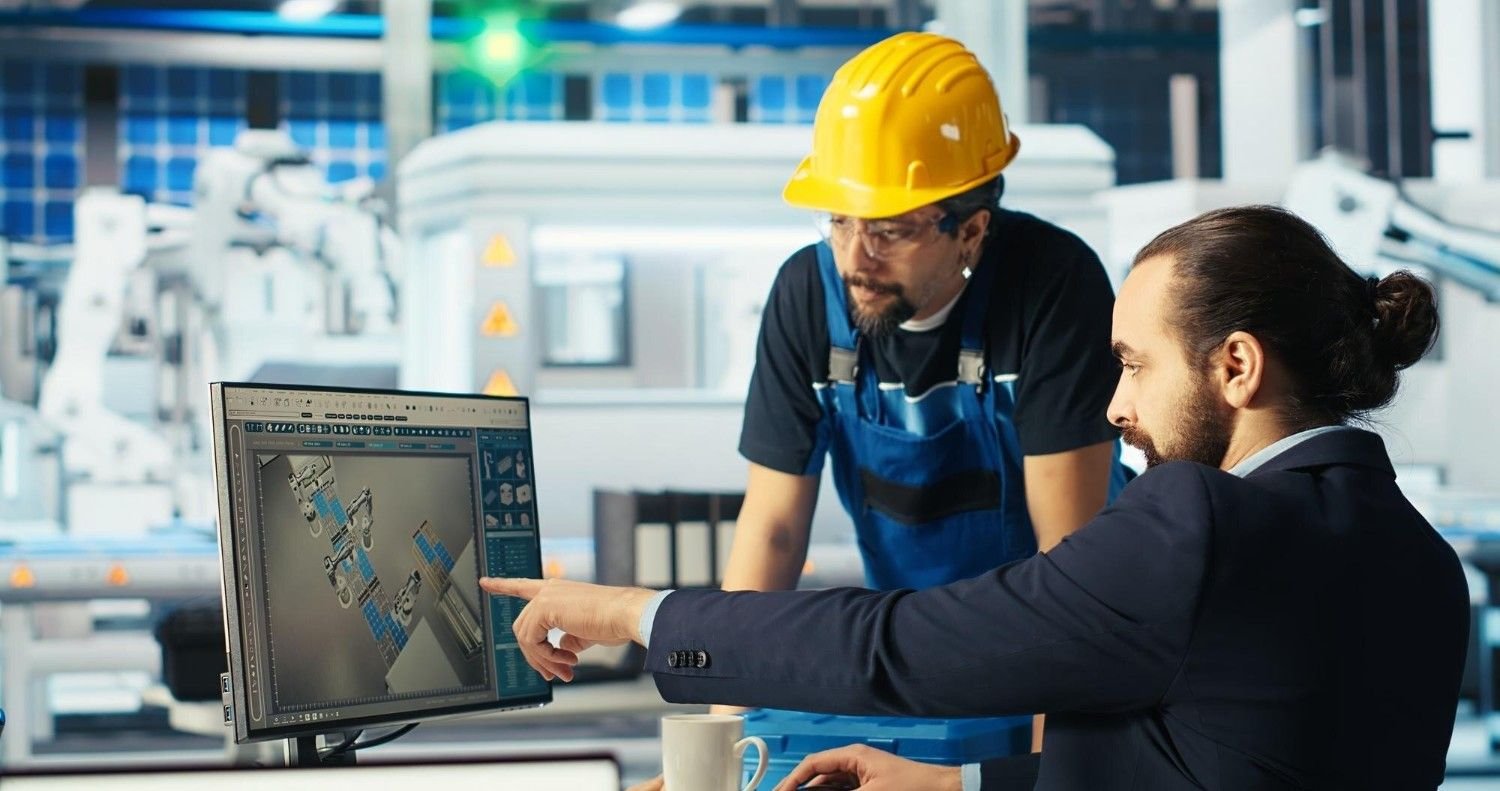
Factories today are more complex than ever. With dozens of machines running at once, multiple production lines, and teams spread across large facilities, keeping track of everything in real time is a genuine challenge. This is exactly where manufacturing IT services have stepped in to make a meaningful difference. Businesses that once relied on manual tracking or end-of-day reports are now shifting toward live, connected systems that show exactly what is happening on the factory floor at any given moment.
What Real-Time Factory Visibility Actually Means
Real-time factory visibility simply means having instant access to accurate data about your production processes. It covers everything from machine performance and inventory levels to worker output and equipment health. Instead of waiting for a shift summary or a weekly report, managers can see problems as they happen and respond before a small issue turns into a costly one.
This kind of visibility is not just useful for large enterprises. Mid-sized manufacturers are finding it equally valuable, especially as customer expectations around delivery times and product quality continue to rise.
Why Traditional Methods Are No Longer Enough
For years, factories managed with spreadsheets, paper logs, and manual reporting. These methods worked when production volumes were low and product lines were simple. Today, that is rarely the case.
Manual processes introduce delays. A machine breakdown might not get reported for an hour. A quality defect might travel down the line before anyone notices. By the time a manager reviews the data, the damage is already done. Real-time systems remove that gap between what happens and when someone knows about it.
The Role of Connected Technology on the Factory Floor
Modern factories are using a combination of sensors, industrial IoT devices, and integrated software to bring visibility to life. Machine-mounted sensors monitor factors such as temperature, vibration, operating speed, and production output. This data flows into centralized dashboards where operations teams can monitor everything from one screen.
When a machine starts behaving outside of normal parameters, the system sends an alert. Maintenance teams can respond quickly, often preventing unplanned downtime entirely. This is predictive maintenance in practice, and it saves manufacturers significant money over time.
Beyond machines, visibility extends to inventory. Knowing exactly how much raw material is available and where it is located helps avoid production stoppages caused by supply shortfalls.
How IT Integration Improves Decision-Making
Data alone is not enough. What matters is turning that data into decisions. When production data is connected to enterprise systems like ERP platforms, procurement tools, and quality management software, managers get a much clearer picture of how the business is performing.
For instance, if production drops on a specific line, an integrated system can identify whether the problem is linked to equipment performance, limited materials, or workforce availability. Instead of guessing, managers can act on facts. This reduces waste, improves planning, and keeps customers better informed about delivery timelines.
Real Benefits Manufacturers Are Seeing
The results are visible across industries. Manufacturers using real-time visibility tools report fewer unplanned stoppages, better on-time delivery rates, and improved product quality. Workers spend less time hunting for information and more time doing productive work. Leadership teams make faster decisions because the information they need is always current and reliable.
Energy monitoring is another area where visibility pays off. Factories can track consumption in real time and identify machines or processes that are using more power than they should. Small adjustments here can lead to noticeable savings over the course of a year.
Addressing Common Concerns About Implementation
Some manufacturers worry that adopting these systems will be disruptive or expensive. It is a fair concern. However, many businesses find that starting with a focused implementation in one area of the factory gives them a clear picture of the value before expanding.
Integration with existing equipment is also more achievable than it used to be. Many legacy machines can still be integrated through retrofit sensors, so replacing all existing equipment isn’t always required. A phased approach helps manage costs and reduces risk.
Conclusion
Real-time factory visibility is no longer a luxury reserved for the largest manufacturers. It is quickly becoming a baseline expectation across the industry. Businesses that invest in the right technology and expertise will find themselves better equipped to handle disruption, serve customers well, and grow with confidence. Whether through integrated platforms or custom software solutions designed to fit specific operational needs, the path to smarter manufacturing runs through better visibility. The question is no longer whether to invest in this direction, but how soon to start.
Frequently Asked Questions
1. What is the biggest benefit of real-time factory visibility?
The most immediate benefit is faster problem detection. When something goes wrong on the production floor, managers know about it right away rather than hours later, which reduces downtime and waste.
2. Do small manufacturers need real-time visibility systems?
Yes. Even smaller operations benefit from having accurate, timely data. Many solutions are scalable, meaning they can start simple and grow as the business expands.
3. Is it expensive to implement factory visibility technology?
The cost varies depending on the scale and existing infrastructure. Many businesses start with a limited rollout in one area, which keeps initial investment manageable while demonstrating clear value.
4. Can older factory equipment be connected to modern visibility systems?
In most cases, yes. Retrofitted sensors and edge computing devices can bring older machines into a connected system without requiring full equipment replacement.
5. How long does it take to see results after implementation?
Many manufacturers begin to see measurable improvements within the first few months, particularly in areas like downtime reduction, inventory accuracy, and response times to equipment issues.