Connected Wearables Are Becoming an Essential Part of Everyday Life in Vietnam
By Adam Williamson 08-08-2026 99
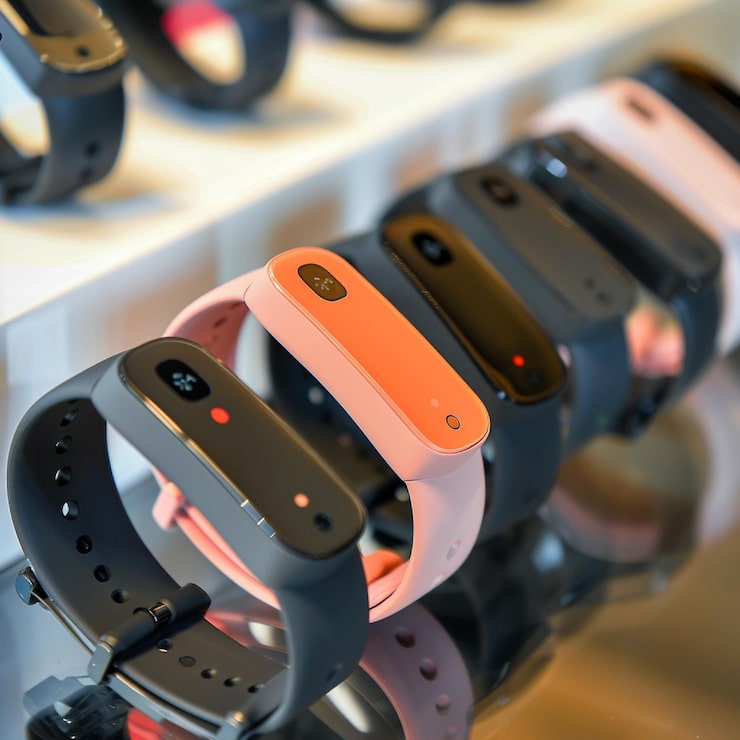
Wearable electronics are rapidly transforming the way consumers in Vietnam manage their health, fitness, communication, and daily activities. Smartwatches, fitness bands, smart rings, wireless wearables, and health-monitoring devices are gaining popularity as consumers embrace connected lifestyles supported by digital technologies. Improvements in sensor technology, smartphone connectivity, and artificial intelligence are making wearable devices more intelligent, accurate, and user-friendly. According to a Vyansa Intelligence report, the Vietnam wearable electronics market was valued at USD 565 million in 2024 and is projected to reach USD 985 million by 2030, registering a CAGR of 9.71% during 2025–2030. The report highlights that increasing digital adoption, health awareness, and continuous technological innovation continue to shape the industry's expansion.
Health Monitoring Features Continue to Attract Consumers
Health-focused functionality has become one of the strongest drivers behind the growing adoption of wearable electronics. Consumers increasingly rely on wearable devices to monitor heart rate, sleep quality, blood oxygen levels, stress levels, daily activity, and calorie expenditure in real time. These features help individuals better understand their overall health while encouraging healthier daily habits. According to this industry report, health monitoring remains a significant contributor to consumer demand, while the wearable electronics market analysis highlights growing interest in devices that provide continuous wellness insights.
Manufacturers continue integrating electrocardiogram (ECG) monitoring, body temperature tracking, hydration reminders, and advanced health sensors into wearable devices to improve user experiences. Detailed market insights indicate that consumers increasingly prefer devices capable of supporting preventive healthcare and long-term wellness management.
Artificial Intelligence Makes Wearables More Intelligent
Artificial intelligence continues to improve the functionality of wearable electronics by delivering personalized recommendations based on user behavior and health data. AI-powered systems analyze activity patterns, workout performance, sleep cycles, and recovery periods to generate customized wellness recommendations. In this report, artificial intelligence remains an important area of innovation, while industry growth trends indicate increasing consumer demand for devices capable of adapting to individual lifestyles.
Machine learning algorithms also enhance the accuracy of biometric measurements while continuously improving device performance through personalized data analysis.
Smartwatches Continue to Lead Consumer Demand
Smartwatches remain the most popular category within wearable electronics because they combine communication, productivity, fitness tracking, and health monitoring within a single connected device. Consumers use smartwatches to receive notifications, answer calls, make digital payments, navigate using GPS, and monitor physical activity throughout the day. The market research report identifies smartwatches as a leading product category, while the industry analysis demonstrates how manufacturers continue expanding product capabilities through improved displays, stronger processors, and enhanced battery performance.
Manufacturers are also introducing lightweight designs, improved water resistance, and faster charging technologies that enhance everyday convenience.
Connected Ecosystems Improve User Experiences
Wearable electronics increasingly operate as part of broader connected ecosystems that integrate smartphones, tablets, cloud services, healthcare applications, and smart home devices. Consumers benefit from seamless synchronization of health records, notifications, calendars, and fitness data across multiple platforms. Detailed market insights indicate that ecosystem compatibility continues strengthening product value, while the wearable electronics industry report highlights increasing investments in cross-device connectivity.
Manufacturers continue enhancing software platforms that simplify data management while improving overall user convenience and productivity. Bluetooth connectivity also supports wireless communication between compatible wearable devices and connected products.
Fitness Tracking Supports Active Lifestyles
Growing interest in sports, fitness, and outdoor activities continues encouraging consumers to purchase wearable electronics capable of tracking physical performance. Modern wearable devices support multiple exercise modes including running, cycling, swimming, walking, strength training, and yoga while providing detailed performance analytics. The latest market analysis identifies fitness monitoring as an important application area, while industry analysis demonstrates how wearable technologies continue promoting healthier lifestyles.
Advanced coaching features, recovery monitoring, and personalized fitness recommendations help users optimize exercise routines while supporting long-term wellness goals.
Continuous Innovation Expands Product Capabilities
Manufacturers continue investing in research and development to improve wearable electronics through flexible displays, advanced biometric sensors, longer battery life, lightweight materials, and improved wireless connectivity. Smart rings, wearable medical devices, augmented reality glasses, and next-generation fitness trackers continue expanding the range of wearable applications available to consumers. The wearable electronics market analysis identifies product innovation as a major competitive factor, while industry growth trends indicate ongoing investments in technologies that improve both functionality and user experiences.
Future wearable devices are expected to become even more intelligent through deeper integration with artificial intelligence and cloud-based health platforms.
Privacy and Security Continue to Build Consumer Trust
As wearable devices collect increasing amounts of personal health and activity information, consumers continue placing strong emphasis on privacy and cybersecurity. Manufacturers are investing in encrypted communication, secure cloud storage, biometric authentication, and transparent privacy settings to strengthen consumer confidence. The market research report identifies data security as an important purchasing consideration, while the wearable electronics industry report demonstrates how responsible data management continues supporting long-term consumer trust.
Strong privacy protections remain essential as wearable electronics become increasingly integrated into everyday digital lifestyles.
Conclusion
Vietnam's wearable electronics industry continues advancing through artificial intelligence, health monitoring innovation, smart connectivity, fitness tracking, and continuous product development. Consumers increasingly seek wearable devices that deliver personalized health insights, seamless digital experiences, and reliable everyday performance. The wearable electronics industry report provides valuable insights into these developments, while the market research report demonstrates how continuous innovation and changing consumer expectations continue shaping the future of wearable technology in Vietnam.