Muscle pain, stiffness, and movement limitations are common issues that affect people of all ages and activity levels. Whether caused by injury, poor posture, repetitive strain, or chronic conditions, these problems can significantly impact daily life. In recent years, dry needling has emerged as a highly effective treatment option for addressing musculoskeletal pain and dysfunction. Many individuals exploring dry needling physio in Papamoa are discovering how this technique can target the root cause of discomfort and promote faster recovery. Understanding the wide range of conditions that can be treated with dry needling can help you determine whether it’s the right approach for your needs.
What Is Dry Needling?
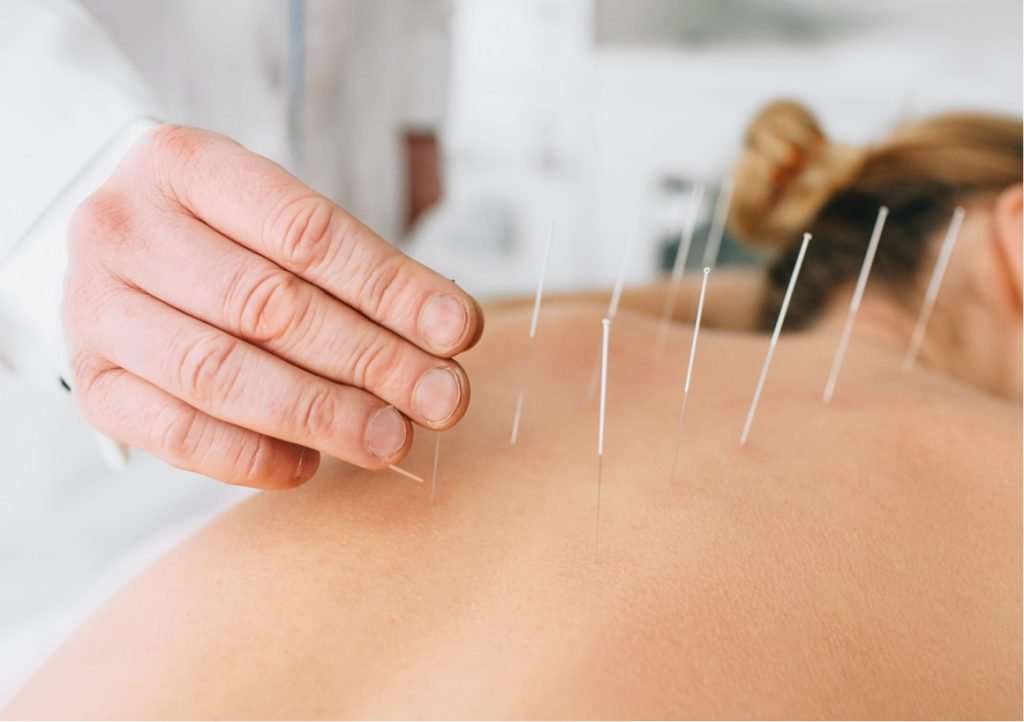
Dry needling is a physiotherapy technique that involves inserting thin, sterile needles into trigger points within muscles. These trigger points are tight, sensitive areas that can cause pain, restrict movement, and refer discomfort to other parts of the body.
By stimulating these points, dry needling helps release muscle tension, improve blood flow, and restore normal muscle function. It is commonly used as part of a comprehensive treatment plan that may include exercise therapy, manual therapy, and lifestyle adjustments.
How Dry Needling Helps Treat Conditions
Dry needling works by targeting the underlying causes of pain rather than just the symptoms. When a needle is inserted into a trigger point, it can produce a local twitch response, which helps relax the muscle and reduce tension.
This process also:
- Improves circulation
- Reduces inflammation
- Decreases pain signals
- Enhances tissue healing
As a result, it can be used to treat a wide variety of musculoskeletal conditions.
1. Neck Pain and Stiffness
Neck pain is a common issue, especially among individuals who spend long hours sitting or working on computers. Poor posture, stress, and muscle overuse can lead to tightness and discomfort in the neck and upper shoulders.
Dry needling targets trigger points in these areas, helping to release tension and improve mobility. Many patients experience reduced pain and greater ease of movement after treatment.
2. Back Pain
Both upper and lower back pain can benefit from dry needling. Muscle tightness, strain, and imbalances often contribute to back discomfort.
By addressing trigger points in the back muscles, dry needling helps reduce pain and improve spinal mobility. It is particularly useful for individuals with chronic back pain who have not responded well to other treatments.
3. Shoulder Pain
Shoulder pain can result from conditions such as rotator cuff injuries, impingement, or muscle tightness. Limited shoulder mobility can affect daily activities like lifting, reaching, and carrying objects.
Dry needling helps relax tight muscles around the shoulder joint, improving range of motion and reducing discomfort. It is often combined with strengthening exercises for optimal results.
4. Sports Injuries
Athletes frequently experience muscle strains, overuse injuries, and tightness due to repetitive movements and high physical demands.
Dry needling can:
- Speed up recovery
- Reduce muscle soreness
- Improve flexibility
- Enhance performance
It is commonly used for conditions such as hamstring strains, calf tightness, and tennis elbow.
5. Tension Headaches and Migraines
Muscle tension in the neck, shoulders, and upper back can contribute to headaches and migraines. Trigger points in these areas may refer pain to the head.
Dry needling helps release these trigger points, reducing the frequency and intensity of headaches. Many patients find significant relief when this technique is included in their treatment plan.
6. Sciatica
Sciatica is characterized by pain that radiates along the sciatic nerve, often from the lower back down to the legs. It can be caused by muscle tightness, nerve compression, or disc-related issues.
Dry needling can help relieve muscle tension around the lower back and hips, reducing pressure on the sciatic nerve and alleviating pain.
7. Hip Pain
Hip pain can result from muscle imbalances, overuse, or conditions such as bursitis. Tight muscles around the hip joint can limit movement and cause discomfort during walking or exercise.
Dry needling helps release these tight muscles, improving mobility and reducing pain. It is often used alongside strengthening exercises to restore proper function.
8. Knee Pain
Knee pain is a common complaint among athletes and active individuals. It can be caused by muscle imbalances, overuse, or conditions like patellofemoral pain syndrome.
Dry needling targets muscles surrounding the knee, such as the quadriceps and hamstrings, to reduce tension and improve alignment. This can help alleviate pain and enhance movement.
9. Tennis Elbow (Lateral Epicondylitis)
Tennis elbow is an overuse injury that affects the tendons in the forearm, leading to pain and weakness in the elbow.
Dry needling can help reduce muscle tension and improve blood flow to the affected area, promoting healing and reducing discomfort.
10. Plantar Fasciitis
Plantar fasciitis is a condition that causes heel pain due to inflammation of the plantar fascia. Tight calf muscles often contribute to this condition.
Dry needling can target both the plantar fascia and calf muscles, helping to reduce tension and alleviate pain.
11. Muscle Spasms and Tightness
Muscle spasms can occur due to overuse, dehydration, or injury. These involuntary contractions can be painful and limit movement.
Dry needling helps relax the affected muscles, reducing spasms and restoring normal function.
12. Chronic Pain Conditions
Individuals with chronic pain conditions, such as fibromyalgia or myofascial pain syndrome, may benefit from dry needling.
While it may not cure the condition, it can help manage symptoms by reducing muscle tension and improving overall comfort.
13. Postural Issues
Poor posture can lead to muscle imbalances and chronic discomfort. Over time, certain muscles become tight while others weaken.
Dry needling helps release tight muscles, allowing the body to return to a more balanced and natural alignment. Combined with posture correction exercises, it can provide long-term relief.
14. Repetitive Strain Injuries
Jobs or activities that involve repetitive movements—such as typing, lifting, or manual labor—can lead to strain and overuse injuries.
Dry needling targets the affected muscles, helping to reduce pain and improve function. It is particularly useful for conditions like carpal tunnel syndrome and forearm strain.
15. Rehabilitation After Injury
Dry needling is often used as part of a rehabilitation program following injury. It helps reduce pain, improve mobility, and prepare muscles for strengthening exercises.
This makes it an effective tool for speeding up recovery and preventing re-injury.
Combining Dry Needling with Other Treatments
Dry needling is most effective when used as part of a comprehensive physiotherapy plan. This may include:
- Strengthening exercises
- Stretching routines
- Manual therapy
- Postural training
Combining these approaches ensures that both symptoms and underlying causes are addressed.
Is Dry Needling Right for You?
While dry needling can treat a wide range of conditions, it may not be suitable for everyone. A qualified physiotherapist will assess your condition, medical history, and individual needs before recommending treatment.
This ensures that the approach is safe, appropriate, and tailored to your goals.
Conclusion
Dry needling is a versatile and effective treatment for a wide variety of musculoskeletal conditions. From neck and back pain to sports injuries and chronic conditions, it offers targeted relief by addressing the root causes of discomfort.
By improving muscle function, reducing tension, and promoting healing, dry needling can play a valuable role in recovery and overall well-being. If you’re dealing with persistent pain or limited mobility, exploring this technique as part of a physiotherapy plan may help you achieve lasting results and a better quality of life.
Tags : Dry Needling Physio