Metal buildings have become a staple in both commercial and residential construction due to their durability, affordability, and low maintenance. However, like any structure, metal buildings are not immune to wear and tear. Exposure to harsh weather conditions, physical damage, or corrosion can compromise their structural integrity over time. Timely maintenance and repair are essential to extend the lifespan of a metal building and ensure it remains safe and functional. This guide explores the essentials of metal building repair, with a focus on using Metalguard to protect and restore these structures.
Understanding the Common Issues in Metal Buildings
Before diving into repair methods, it is important to understand the common problems that affect metal buildings:
1. Corrosion and Rust
Metal is naturally susceptible to rust, especially when exposed to moisture, humidity, or chemicals. Rust can weaken the structural components, causing potential safety hazards. Signs of corrosion include discoloration, bubbling paint, and flaking metal surfaces.
2. Structural Damage
Metal buildings can suffer from dents, bends, or warping due to storms, falling debris, or heavy impact. While minor dents may be purely cosmetic, severe structural damage can compromise the building’s stability.
3. Leaks and Water Intrusion
Metal roofs and walls are often prone to leaks if seals, joints, or fasteners degrade. Water intrusion can lead to rust, mold growth, and interior damage if not addressed promptly.
4. Loose or Missing Fasteners
Bolts, screws, and rivets can loosen over time due to vibrations, wind, or temperature fluctuations. Loose fasteners may create gaps, increase leak potential, and weaken the building structure.
5. Paint and Coating Deterioration
The protective coatings on metal panels can degrade over time due to UV exposure, moisture, or chemical interactions. Peeling paint or fading finishes can compromise protection and aesthetics.
Step-by-Step Guide to Metal Building Repair
Repairing a metal building involves careful assessment, preparation, and execution. Here’s a step-by-step guide:
Step 1: Inspection and Assessment
Begin with a thorough inspection of the entire building. Look for:
Rust spots, corrosion, or flaking metal
Dents, bends, or warping
Water stains, leaks, or mold growth
Loose or missing fasteners
Areas where paint or protective coatings have worn away
Use a checklist to document all issues. Safety should always come first—wear gloves, protective eyewear, and sturdy footwear.
Step 2: Cleaning the Surfaces
Cleaning the damaged area is essential for effective repair. Remove dirt, dust, and rust with a wire brush, sandpaper, or pressure washer. For areas affected by rust, use a rust remover or neutralizer to prepare the surface for treatment.
Step 3: Structural Repairs
For dents, bends, or damaged panels, carefully reshape or replace the affected components. If replacement is necessary, ensure that the new panel matches the existing structure in thickness and coating. Reinforce structural elements if they show signs of weakening.
Step 4: Fastener Maintenance
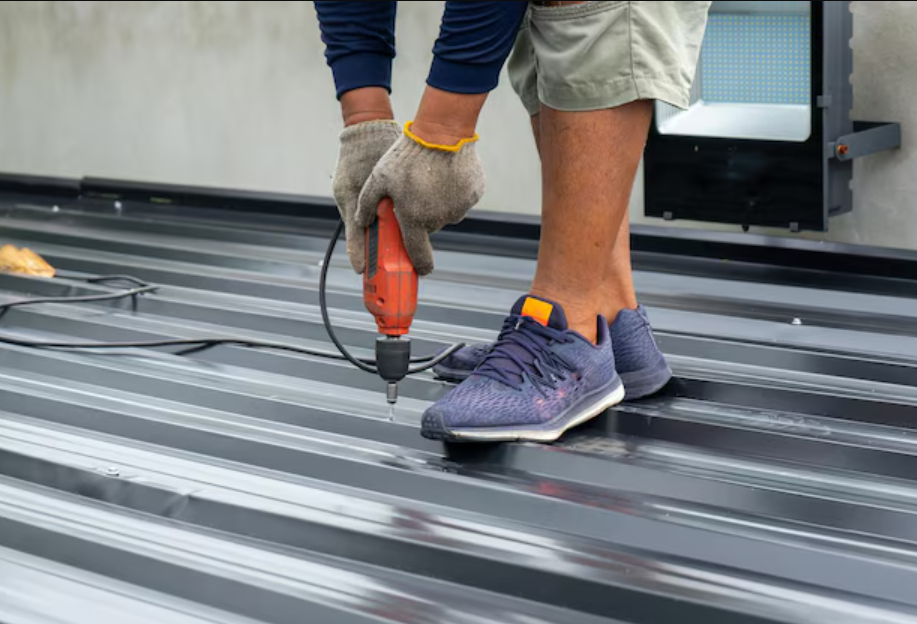
Tighten loose screws, bolts, or rivets, and replace any missing or corroded fasteners. Proper fastening is critical to maintaining the building’s integrity and preventing leaks. Use corrosion-resistant fasteners to extend longevity.
Step 5: Treating Rust and Corrosion
Apply a high-quality protective solution like Metalguard to areas affected by rust or corrosion. Metalguard forms a durable barrier that prevents further oxidation, restores strength, and protects against future corrosion. For heavily rusted areas, it may be necessary to first sand down the rust before applying Metalguard to ensure maximum adhesion.
Step 6: Sealing Leaks
Inspect joints, seams, and roof areas for leaks. Use a compatible sealant along with Metalguard to reinforce protection. Proper sealing prevents water intrusion and protects against mold growth and structural damage.
Step 7: Repainting and Coating
Once the metal surface is repaired and treated with Metalguard, consider applying a fresh coat of paint or protective coating. This step not only enhances the building’s appearance but also provides an extra layer of protection against the elements.
Step 8: Regular Maintenance
Even after repair, ongoing maintenance is essential to prolong the lifespan of a metal building. Conduct regular inspections, clean surfaces periodically, and reapply Metalguard to vulnerable areas to prevent corrosion. Establishing a maintenance schedule can save considerable time and cost in the long run.
Benefits of Using Metalguard in Metal Building Repair
Metalguard is designed specifically for metal structures and offers multiple benefits:
Corrosion Protection: Forms a long-lasting barrier against moisture and environmental elements.
Structural Reinforcement: Strengthens weakened or rusted areas, helping restore integrity.
Ease of Application: Can be applied directly to rusted or damaged surfaces without extensive preparation.
Longevity: Reduces the need for frequent repairs, extending the overall lifespan of the building.
Versatility: Suitable for roofs, walls, beams, and other metal components.
By incorporating Metalguard into repair routines, building owners can significantly reduce deterioration while maintaining structural safety.
Tips for Effective Metal Building Repair
Act Early: Address rust, dents, and leaks as soon as they appear to prevent more extensive damage.
Use Quality Materials: Low-quality coatings or fasteners may save money initially but often lead to repeated repairs.
Focus on Prevention: Regular cleaning, inspection, and the use of protective coatings like Metalguard are more cost-effective than major repairs.
Work Safely: Metal surfaces can be sharp, and working on roofs or ladders requires proper safety equipment.
Document Repairs: Keeping a record of all repairs and treatments helps monitor structural health over time.
Common Mistakes to Avoid
Ignoring minor rust or paint damage, which can quickly worsen over time.
Using incompatible sealants or coatings that don’t adhere to metal surfaces.
Overlooking fastener maintenance, leading to structural weakening.
Skipping surface preparation before applying protective treatments like Metalguard.
Avoiding these mistakes ensures repairs are durable and effective.
Conclusion
Metal buildings are a long-term investment, and their durability can be maximized with proper repair and maintenance practices. From addressing rust and corrosion on metal wall panels to repairing structural damage and sealing leaks, each step is crucial for maintaining safety and functionality. Using a high-quality protective treatment like Metalguard ensures that repaired metal wall panels and other surfaces are protected against future deterioration, saving time and cost over the life of the building.
By taking a proactive approach to maintenance, staying vigilant for signs of damage, and using proven solutions like Metalguard, building owners can enjoy the strength, durability, and aesthetics of their metal structures for decades. Proper care today prevents costly repairs tomorrow, making metal building repair an essential part of responsible ownership and management.
Tags : Metal building repair