Compact vs. High Reach Telescopic Boom Lift: How to Choose the Right One for Your Singapore Site
By Ang Equipment 29-09-2026 5
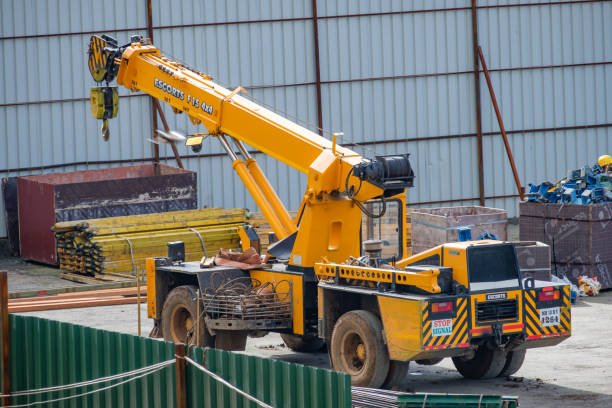
Choosing between a compact and high reach telescopic boom lift depends on three factors: working height, site constraints, and ground conditions. Compact models suit confined urban sites and indoor applications where maneuverability matters. High reach models are built for open construction sites requiring extended outreach. Matching the right machine to your actual job requirements prevents costly delays and safety risks.
Why Machine-to-Site Matching Matters More Than Picking the Biggest Lift
It's tempting to book the largest available lift "just in case." On Singapore's dense urban sites, that thinking often backfires. A machine too large for your worksite can't navigate tight corridors, risks ground damage, and may violate site access restrictions under the Workplace Safety and Health (WSH) Act enforced by the Ministry of Manpower.
The smarter approach is working backwards from your actual task. What's the required working height? How wide is the access route? Is the ground surface paved, compacted, or uneven? Answering these questions first removes most of the guesswork from equipment selection.
What Is a Telescopic Boom Lift?
A telescopic boom lift uses a straight, extendable arm to raise a work platform to height. Unlike articulated booms, the telescopic design delivers superior horizontal outreach — useful when you need to reach over obstacles or work at a distance from the base. They're a staple in construction, facade maintenance, and industrial maintenance across Singapore.
Telescopic boom lifts are available in a wide range of working heights, typically from around 12 metres to over 40 metres, with either diesel or electric power options depending on your site environment.
Compact Boom Lift: When Smaller Is the Right Call
Best Use Cases
Compact boom lifts — typically under 20 metres working height — are designed for sites where space is the primary constraint. Think HDB estate maintenance, shophouse facade work, or interior atrium tasks in commercial buildings.
- Narrow access corridors and car park ramps
- Sensitive floor surfaces requiring lower ground pressure
- Indoor environments where diesel exhaust is not permitted
- Sites with low overhead clearance during transport or positioning
Key Advantages
A compact model is significantly easier to transport on a flatbed and quicker to position on site. Smaller machine weight also reduces the risk of surface damage — a real concern on tiled lobbies or freshly laid concrete. For small contractors managing tight project budgets, this also translates to lower boom lift rental rates compared to larger units.
High Reach Telescopic Boom Lift: Built for Demanding Jobs
Best Use Cases
High reach models — working heights of 30 metres and above — are built for open construction sites, large industrial facilities, and infrastructure projects where elevation and outreach are non-negotiable.
- High-rise exterior cladding and facade inspection
- Bridge and flyover maintenance works
- Power line and utility installation in industrial zones
- Petrochemical plant maintenance requiring extended horizontal reach
Key Advantages
The real value of a high reach boom lift is its outreach capability. Some models can extend horizontally over 20 metres while maintaining platform height — allowing workers to access otherwise unreachable points without repositioning the machine. On open sites with solid, compacted ground, these machines are highly productive.
Side-by-Side Comparison: Compact vs. High Reach
Singapore-Specific Considerations You Can't Ignore
Ground Conditions on Local Sites
Singapore's construction sites vary widely — from reclaimed land in Jurong Island with soft subgrade to solid rock formations in older central districts. High reach lifting equipment demands firm, level ground. On softer or uneven surfaces, a compact lift is not just the more practical choice — it's the safer one.
Site Access and Road Constraints
Many Singapore worksites, particularly in the Central Business District or heritage conservation areas, have strict vehicle access permits. Larger telescopic lifts may require special permits under Land Transport Authority (LTA) guidelines for oversized vehicle movement. Factor this into your planning timeline before confirming your rental.
Noise and Emission Restrictions
The National Environment Agency (NEA) enforces construction noise limits in Singapore, particularly near residential areas. Electric-powered compact boom lifts offer a practical advantage here — quieter operation and zero on-site emissions, making them well-suited for sensitive environments or nighttime work windows.
How to Select the Right Lift: A Practical Decision Framework
Use these four questions to guide your equipment selection:
- What is your required working height? Add at least 1–1.5 metres to account for platform height and operator standing position.
- What is the available access width? If your narrowest access point is under 2.5 metres, a compact lift is likely your only viable option.
- What is the ground surface condition? Soft, uneven, or sensitive surfaces rule out heavier high reach machines without additional ground protection.
- Do you need horizontal outreach or just vertical height? If you're working directly above the machine's footprint, a compact lift may be perfectly sufficient.
Project managers who skip this assessment often end up with idle equipment that can't safely or physically access the work area — a direct cost to the project schedule.
Getting the Right Equipment from the Right Source
Selecting the right lift is only half the equation. Working with a reliable rental provider ensures the machine arrives in certified, well-maintained condition with proper operator documentation. In Singapore, all lifting operations must comply with WSH (Lifting Operations) Regulations, which require that equipment is inspected and fit for purpose before use on site.
ANG Equipment offers a range of compact and high reach boom lifts for rental across Singapore, with experienced team members who can advise on the right model for your specific site conditions. Whether you're a small contractor managing a one-week facade job or a project manager coordinating a multi-phase construction programme, getting the machine specification right from day one saves time, cost, and risk.
Frequently Asked Questions
What is the difference between a compact and a high reach telescopic boom lift?
A compact boom lift typically reaches up to 20 metres and suits confined or indoor sites. A high reach telescopic boom lift extends to 30 metres or more and is designed for open construction or industrial sites requiring extended vertical and horizontal reach.
How do I know which boom lift size is right for my Singapore site?
Assess your required working height, available access width, ground surface condition, and whether you need horizontal outreach. Sites with tight access, soft ground, or indoor environments generally call for a compact model, while open sites with greater elevation demands need a high reach unit.
Is a permit required to operate a telescopic boom lift in Singapore?
Yes. Under the WSH (Lifting Operations) Regulations, all lifting equipment must be operated by a trained and competent person. The equipment must also be inspected and certified fit for use. Additionally, transporting oversized machines on public roads may require LTA permits.
Can I rent a compact boom lift for indoor use in Singapore?
Yes. Electric-powered compact boom lifts are commonly rented for indoor use in Singapore. They produce no exhaust emissions and operate more quietly than diesel units, making them suitable for occupied commercial buildings, shopping centres, and facilities with NEA noise restrictions.
What ground conditions are required for a high reach boom lift?
High reach telescopic boom lifts require firm, level, and compacted ground to operate safely. Soft, uneven, or sensitive surfaces may require ground protection mats or make the use of a high reach model impractical. Always confirm ground bearing capacity before deployment.
How does boom lift rental pricing differ between compact and high reach models?
Compact boom lifts are generally less expensive to rent due to their smaller size, lighter transport requirements, and lower operational complexity. High reach telescopic boom lifts command higher rental rates reflecting their extended capability, heavier logistics, and greater maintenance requirements.
Tags : telescopic boom lift