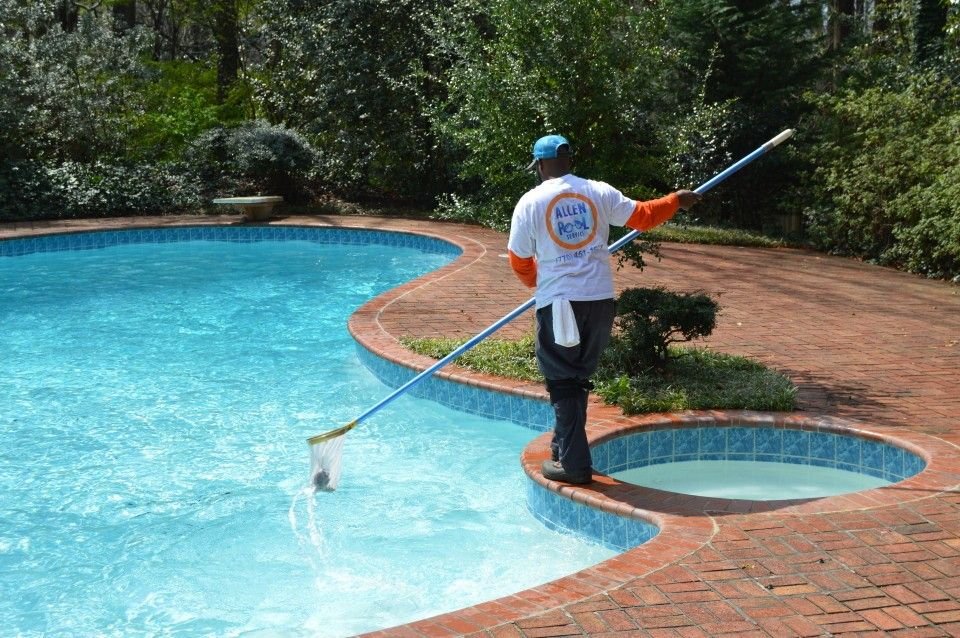
Maintaining a clean and safe swimming pool requires consistent effort and attention to detail. Many homeowners turn to residential pool cleaning services to keep their pools in top condition, but even with professional support, common mistakes can still occur. According to a 2023 survey, nearly 60% of homeowners experience water imbalance or algae issues at least once a year, often due to small but critical errors. Understanding these mistakes is essential to protect your investment, ensure safe swimming conditions, and extend the life of your pool equipment.
Skipping Regular Cleaning
One of the most frequent errors is neglecting routine cleaning tasks. Regular maintenance includes:
Skimming debris daily: Leaves, bugs, and dirt can accumulate quickly, promoting algae growth.
Brushing pool walls and floors weekly: Prevents buildup of algae and calcium deposits.
Vacuuming regularly: Ensures dirt and debris are removed before they settle.
Skipping these tasks can lead to cloudy water, clogged filters, and higher chemical use. Experts suggest establishing a cleaning schedule and sticking to it, even if you hire professionals occasionally. Consistent care keeps the pool safe, inviting, and cost-efficient.
Ignoring Water Chemistry
Proper water chemistry is critical to safe swimming. Many homeowners overlook this step or test infrequently. Important factors include:
pH levels: Ideal range is 7.2–7.8; outside this range can irritate skin and damage equipment.
Chlorine levels: Maintain 1–3 ppm to prevent bacteria and algae growth.
Alkalinity and calcium hardness: Prevents corrosion and scaling.
Neglecting water chemistry can result in cloudy water, corrosion of pool equipment, and even skin or eye irritation for swimmers. Experts recommend testing the water at least twice a week during peak swimming season.
Overusing Chemicals
Another common mistake is adding excessive chemicals in an attempt to fix minor issues. Overuse can:
Burn swimmers’ skin and eyes
Damage pool surfaces and equipment
Cause staining or discoloration
To avoid this, carefully follow manufacturer instructions, measure chemicals accurately, and allow time for the water to balance before adding more. Using a test kit frequently helps prevent unnecessary chemical additions.
Underestimating Filtration System Maintenance
Your pool’s filtration system is its backbone. Ignoring pumps, filters, and skimmers can:
Reduce cleaning efficiency
Increase energy costs
Cause persistent water issues
Regularly clean or replace filters, inspect pumps, and ensure skimmers are free of debris. Most experts recommend cleaning filters at least once a month and checking pumps weekly. Proper maintenance keeps water clear and reduces strain on pool equipment.
Skipping Seasonal Maintenance
Opening and closing a pool improperly each season can cause long-term problems:
Debris accumulation in winter or fall
Frozen pipes in colder climates
Algae buildup in the spring
A step-by-step seasonal checklist is recommended. For example, remove debris, balance water chemistry, and inspect equipment before covering the pool for winter. This prevents costly repairs and ensures a smooth opening when summer arrives.
Using the Wrong Tools or Equipment
Using improper cleaning tools can be counterproductive or even damaging:
Hard brushes can scratch vinyl or fiberglass pools
Wrong vacuum heads reduce debris removal efficiency
Poor-quality nets may tear and leave residue
Invest in tools designed for your specific pool type and materials. This ensures effective cleaning and protects your investment. The right equipment also saves time and effort during routine maintenance.
Neglecting Safety Practices
Pool cleaning involves chemicals and physical work. Failing to follow safety protocols can be hazardous:
Always wear gloves and protective eyewear when handling chemicals
Store chemicals in cool, dry places away from children and pets
Avoid mixing incompatible chemicals, which can create dangerous reactions
By prioritizing safety, homeowners protect themselves and their families while maintaining a clean pool environment.
Ignoring Professional Help
Even dedicated homeowners can benefit from professional services. Avoiding experts may save money short-term but can lead to bigger problems later. Residential pool cleaning services offer:
Expert knowledge on water chemistry and equipment
Efficient cleaning techniques that save time
Regular maintenance schedules tailored to your pool
Hiring professionals can complement DIY care, ensuring your pool stays safe, clean, and well-maintained throughout the year.
It’s also worth noting that seasonal considerations can affect pool maintenance schedules. For instance, in regions with heavy snowfall, some homeowners rely on snow removal companies near me to manage winter snow around outdoor pools. Proper snow management prevents excess debris from entering the pool and reduces structural stress during colder months.
Additional Tips for Avoiding Pool Cleaning Mistakes
Keep a maintenance log: Track cleaning, chemical additions, and inspections.
Schedule inspections: Periodic professional checks catch issues early.
Educate family members: Make sure everyone understands basic safety and maintenance rules.
Invest in quality covers: Protects the pool when not in use and reduces debris accumulation.
Following these additional practices can significantly reduce common mistakes and prolong the life of your pool.
Conclusion
Maintaining a clean and safe swimming pool requires attention, proper tools, and regular upkeep. Common mistakes like skipping cleaning, ignoring water chemistry, overusing chemicals, and neglecting equipment can lead to costly repairs and unsafe swimming conditions. By understanding and avoiding these pitfalls, homeowners can enjoy clear, healthy water year-round. Combining routine care with professional help, such as residential pool cleaning services, ensures optimal results. Proper maintenance not only saves money and time but also enhances the safety, comfort, and longevity of your pool.
Tags : home solutions pool cleaning