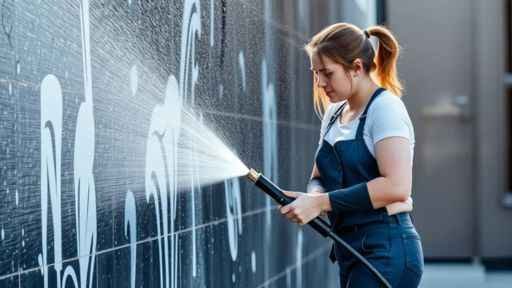
Choosing the right pressure washer is crucial for efficient industrial maintenance. Pressure washing for industrial equipment removes stubborn grease, grime, and debris that accumulate over time. Driveway cleaning and house washing are often mentioned when discussing pressure washers, but industrial equipment requires a stronger, more specialized machine. Roof cleaning, patio cleaning, and fence washing are additional tasks where high-quality pressure washers show their efficiency. Selecting the proper washer ensures safety, durability, and time efficiency while preventing equipment damage. Many businesses underestimate the power of professional pressure washers and try using residential machines for industrial tasks. Understanding the types, pressure levels, and cleaning solutions can help companies maintain equipment properly. Investing in the correct washer saves money and improves operational efficiency.
Why Proper Equipment Cleaning Matters
Industrial machinery operates in environments where grease, dirt, and chemical residues build up fast. Neglecting regular cleaning can reduce equipment lifespan and efficiency. Using the wrong tools often leads to surface damage or safety hazards for operators. Businesses like Huskins LLC property cleaning use professional-grade pressure washers to ensure equipment remains clean without causing harm. Pressure washers designed for industrial use provide high-pressure water streams combined with detergent application. They remove dirt, oil, and bacteria effectively. Beyond cleaning, maintenance prevents machine failures, reduces repair costs, and improves overall production quality. Proper cleaning also contributes to compliance with safety regulations. Investing in professional cleaning solutions increases both productivity and workplace safety consistently.
Types of Industrial Pressure Washers
Pressure washers for industrial use come in electric and gas-powered varieties. Electric washers are quieter and ideal for indoor equipment cleaning, while gas-powered machines provide higher pressure output. Hot water washers are often recommended for removing grease and oil from heavy machinery. Cold water machines handle dirt, dust, and lighter contaminants efficiently. When selecting a pressure washer, consider PSI (pounds per square inch) and GPM (gallons per minute). Higher PSI ensures tough dirt removal, while GPM affects cleaning speed. Accessories like surface cleaners, extension wands, and chemical injectors increase versatility. Proper selection avoids overworking machines and prevents damage. Understanding the difference between equipment types ensures businesses achieve optimal cleaning results safely and effectively.
Pressure Levels and Cleaning Efficiency
Selecting the correct pressure level is essential to protect industrial surfaces. Too much pressure can damage delicate machinery, while too little leaves residue behind. Most industrial equipment requires 2,000 to 4,000 PSI for effective cleaning. Matching the washer’s pressure with cleaning tools ensures uniform results. Specialized nozzles control water flow for detailed cleaning in tight spaces. Detergents and degreasers enhance efficiency by breaking down tough grime and oil layers. Regular pressure washing improves equipment performance and reduces energy consumption. Additionally, it lowers the need for frequent repairs. Businesses benefit from consistent machine reliability, and operators experience safer working conditions. Proper PSI selection guarantees time-saving, cost-effective, and professional-level cleaning every time.
Detergents and Cleaning Solutions
Industrial cleaning often requires detergents specifically formulated for machinery surfaces. Neutral pH solutions are safe for metals and painted surfaces. Degreasers dissolve oil and sticky residues efficiently without corroding equipment. Combining detergents with high-pressure washers improves cleaning outcomes significantly. Some solutions are biodegradable, ensuring environmental safety. Proper chemical selection prevents damage while maximizing cleaning power. It is important to follow manufacturer guidelines when mixing solutions and applying them. Hot water pressure washers increase detergent effectiveness, especially for grease removal. Using the right solution ensures longer equipment life, reduces maintenance downtime, and enhances operational efficiency. Professionals recommend always testing solutions on small equipment areas first for safety.
Safety Considerations When Pressure Washing
Industrial equipment cleaning requires strict safety protocols to prevent accidents. Operators should wear protective gear, including goggles, gloves, and boots. High-pressure water can cause serious injuries if handled improperly. Electrical hazards must be considered, particularly when using electric washers near wet surfaces. Proper training ensures machines are used correctly and maintenance procedures are followed. Equipment should be turned off before adjustments or nozzle changes. Workplace safety protocols must also account for chemical handling. Using appropriate safety signs and barriers protects employees from accidental contact. Following these guidelines ensures that commercial pressure washing is performed effectively without risks, maintaining both worker safety and machine integrity during cleaning sessions.
Maintenance and Longevity of Pressure Washers
Regular maintenance extends the life of industrial pressure washers. Machines require periodic inspections, cleaning, and oil changes for optimal performance. Filters should be checked and replaced to prevent clogs. Hoses and nozzles must be inspected for wear and tear. Storing equipment properly after each use prevents rust and mechanical failures. Scheduled maintenance reduces downtime and costly repairs. Lubricating moving parts ensures smooth operation and long-lasting performance. Maintaining washers also improves water efficiency and cleaning speed. Businesses relying on frequent industrial cleaning find that preventive care increases overall productivity. Proper maintenance ensures that pressure washers consistently deliver professional-quality results while remaining safe and efficient for industrial equipment cleaning needs.
Conclusion
Choosing the right pressure washer is essential for maintaining industrial machinery efficiently. Proper equipment cleaning ensures longevity, safety, and operational efficiency. Selecting the correct pressure, detergent, and accessories guarantees effective dirt, grease, and residue removal. Businesses like Huskins LLC property cleaning benefit from using professional-grade machines, improving overall productivity. Regular maintenance and operator training extend the lifespan of both washers and equipment. Investing in industrial pressure washing solutions saves time, reduces costs, and keeps machinery running at optimal levels. With the right selection and proper usage, industrial cleaning becomes a simple, safe, and highly effective process that supports long-term business success consistently.
Frequently Asked Questions (FAQs)
What is the best pressure washer for industrial equipment?
The best pressure washer combines high PSI and GPM, hot water capability, and chemical compatibility. Gas-powered models are ideal for heavy-duty tasks. Electric washers work indoors safely, while hot water washers remove grease efficiently. Accessories such as surface cleaners and extension wands improve performance.
How often should industrial equipment be pressure washed?
Frequency depends on usage and environment. High-traffic machinery requires weekly cleaning, while moderately used equipment may need biweekly or monthly sessions. Regular washing prevents buildup, reduces downtime, and increases productivity.
Can pressure washing damage industrial machinery?
Yes, if improper PSI, temperature, or nozzle is used. Choosing the correct pressure, detergent, and techniques ensures safe cleaning. Trained operators reduce the risk of surface or internal damage.
Are detergents necessary for industrial pressure washing?
Detergents improve cleaning efficiency, particularly for grease, oil, and sticky residues. Neutral pH and biodegradable solutions are recommended for equipment safety and environmental compliance.
How do I maintain my industrial pressure washer?
Regular maintenance includes cleaning filters, checking hoses, changing oil, and inspecting nozzles. Proper storage, lubrication, and scheduled inspections extend equipment life and improve cleaning results.