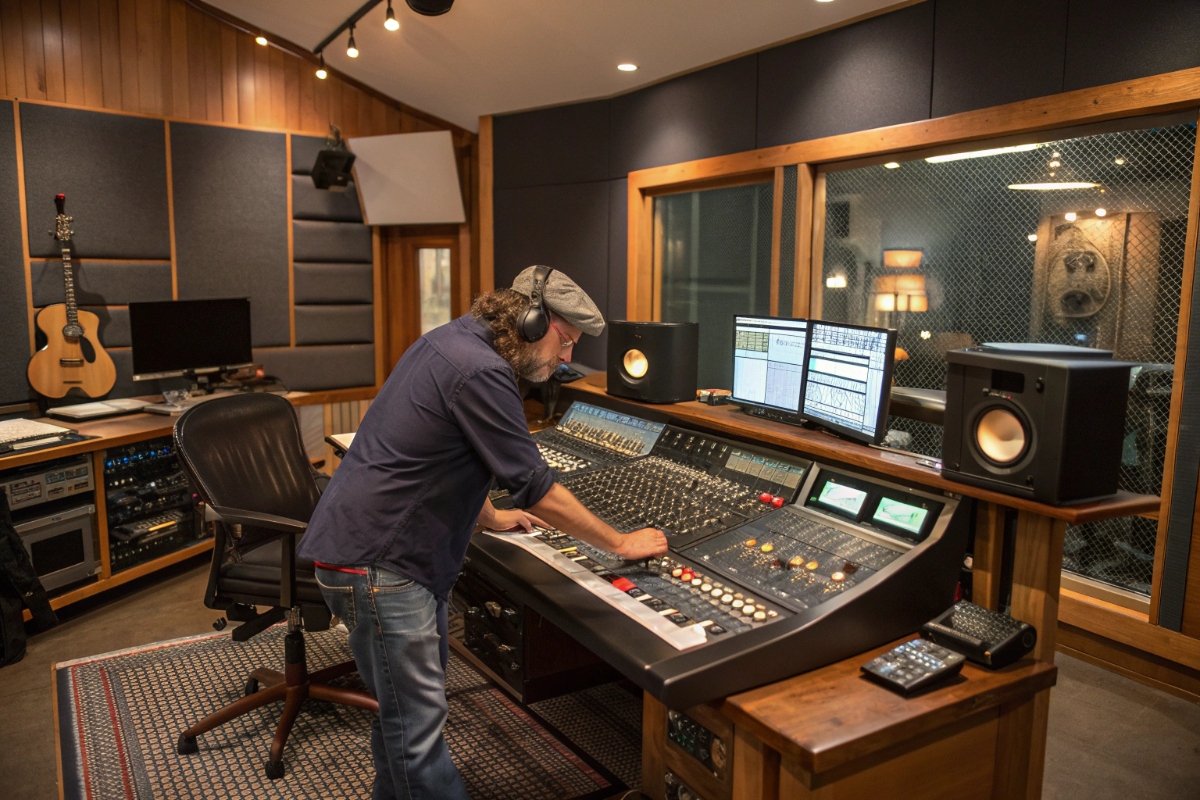
Sound is everywhere—music, films, podcasts, live events, games, and even mobile apps. Behind every clear voice and powerful beat is an audio engineer who understands how sound works and how to shape it beautifully. If you love music, technology, or working behind the scenes, audio engineering can be a rewarding career. But the first and most important step is choosing the right course.
Today, there are many audio engineering courses in India, and each one offers something different. This guide will help you understand what to look for, what skills matter, and how to choose a course that fits your career goals—all explained in a simple and practical way.
What Is Audio Engineering?
Audio engineering is the art and science of recording, mixing, editing, and producing sound. Audio engineers work in recording studios, film production houses, radio stations, live concerts, TV channels, and digital media platforms.
Their work includes:
- Recording vocals and instruments
- Mixing music tracks
- Editing sound for films and videos
- Managing live sound for events
- Designing sound effects
An audio engineering course teaches both technical knowledge and creative skills needed to work with sound professionally.
Why Choosing the Right Course Matters
Not all courses are the same. Some focus more on music, some on live sound, and others on film or broadcasting. Choosing the wrong course can leave you confused or underprepared.
The right course will:
- Match your interest (music, film, live sound, etc.)
- Teach you industry-relevant skills
- Offer practical, hands-on training
- Prepare you for real-world jobs
So before enrolling, it’s important to understand your own goals and compare courses carefully.
Step 1: Know Your Career Goal
Start by asking yourself a simple question:
What do I want to do with sound?
Here are a few common paths:
- Music Production – working on songs, albums, and independent music projects
- Film & Media Sound – sound design, dubbing, background scores
- Live Sound Engineering – concerts, events, stage shows
- Broadcast & Podcasting – radio, TV, online audio content
If you love creating music, a course with strong music production training is ideal. If you enjoy movies and visuals, look for sound design and post-production modules.
Step 2: Check the Course Curriculum
A good audio engineering course should cover both basics and advanced topics. Look for a balanced syllabus that includes:
Core Topics
- Basics of sound and acoustics
- Microphones and recording techniques
- Mixing and mastering fundamentals
- Digital Audio Workstations (DAWs)
- Studio signal flow
Advanced Topics
- Sound design
- Live sound setup
- Post-production audio
- Music arrangement and production
- Audio for film and media
The course should move step by step, making it easy even for beginners to understand.
Step 3: Focus on Practical Training
Audio engineering is a skill-based field. Reading alone is not enough. You need hands-on practice.
Choose a course that offers:
- Regular studio sessions
- Live equipment handling
- Real project work
- Recording and mixing assignments
The more time you spend working with actual gear and software, the more confident you will become.
Step 4: Duration and Learning Style
Courses come in different formats:
- Short-term courses (3–6 months)
- Diploma courses (6–12 months)
- Advanced or professional programs (1–2 years)
If you are a beginner, a longer course with strong basics is better. If you already have some experience, a shorter or advanced program may suit you.
Also, check whether the course is:
- Full-time or part-time
- Classroom-based or practical studio-based
Choose what fits your schedule and learning speed.
Step 5: Equipment and Studio Access
Good learning needs good tools. A quality course should give you access to:
- Professional microphones
- Mixing consoles
- Studio monitors and headphones
- Industry-standard software
Using professional equipment during training helps you adjust easily when you start working.
Step 6: Location and Exposure
Some cities offer more exposure due to active music and media industries. For example, students interested in music creation often look at music production courses in Chennai because of the city’s strong music culture and studio ecosystem.
However, location alone should not decide everything. A well-structured course with strong training matters more than the city name.
Step 7: Faculty Experience
Good teachers make learning simple. Look for courses taught by professionals who:
- Have real industry experience
- Can explain concepts in easy language
- Guide you with practical tips
- Share real-world challenges and solutions
Experienced trainers help bridge the gap between classroom learning and actual work.
Step 8: Career Support and Guidance
A good course doesn’t end with lessons. It should also help you plan your career.
Check if the course offers:
- Portfolio guidance
- Demo reel preparation
- Internship support
- Career advice and mentoring
These elements help you take confident steps after completing the course.
Step 9: Is the Course Beginner-Friendly?
Many students worry that they need prior knowledge of music or technology. The truth is, a good course starts from basics.
Make sure the course:
- Explains concepts clearly
- Does not assume advanced knowledge
- Allows you to learn at a comfortable pace
If the course promises “advanced results” without teaching basics, it may not be ideal for beginners.
Step 10: Your Interest and Passion
Finally, trust your interest. Audio engineering requires patience, practice, and curiosity. You will spend long hours listening, adjusting, and learning.
Choose a course that excites you and makes you want to learn more every day. Passion, combined with the right training, leads to long-term success.
Final Thoughts
Choosing the right audio engineering course is not about selecting the most popular option—it’s about finding what fits your goals, learning style, and future plans. Take time to understand the curriculum, practical exposure, and teaching approach.
With the right course, consistent practice, and a love for sound, you can build a fulfilling career in audio engineering. Sound is powerful—and with the right training, you can shape it into something truly meaningful. 🎶🎧