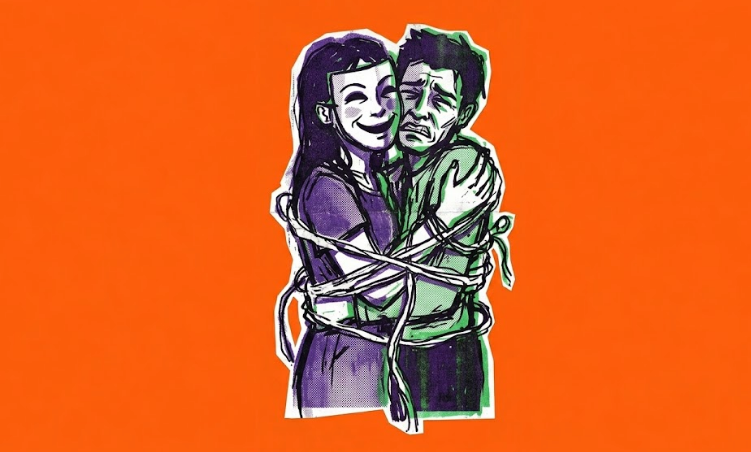
Trauma bonding is a complex psychological dynamic where an individual forms a strong, unhealthy attachment to their abuser. These bonds are often built on cycles of intermittent reinforcement, where the abuser alternates between abuse and affection, creating confusion, dependency, and emotional attachment. Trauma bonds are often misunderstood as a form of love, but they are rooted in manipulation, control, and emotional distress. This blog will explore the phenomenon of trauma bonding, the reasons behind it, the traits of individuals caught in such relationships, the neurological and psychological factors, and practical steps to break free from these toxic dynamics.
What Is Trauma Bonding?
A trauma bond refers to the deep emotional connection that forms between a victim and their abuser. This bond can occur in various types of relationships, including romantic partnerships, parent-child dynamics, or even in workplace settings. In these relationships, abuse (whether emotional, physical, or psychological) is interspersed with moments of affection, manipulation, and control. Over time, the victim becomes emotionally dependent on the abuser, often rationalizing the abuse or believing that the abuser's behavior is out of love.
Signs of Trauma Bonding
- Confusion and Cognitive Dissonance: Victims may feel torn between the kindness and abuse from their partner.
- Hope for Change: Even after experiencing abuse, victims often believe that their abuser will change.
- Feeling Trapped: Victims believe they have no other options, either due to emotional, financial, or social isolation.
Why Does Trauma Bonding Occur?
Trauma bonding is often the result of several intertwined psychological factors, including attachment theory, intermittent reinforcement, and emotional manipulation. Below are some key factors behind trauma bonding:
Intermittent Reinforcement: The cycle of alternating affection and abuse confuses the victim and strengthens the emotional attachment. This is similar to bad addiction, where a person is rewarded sporadically, creating a dependency.
Manipulation and Control: Abusers often use tactics like gaslighting, blame-shifting, and guilt-tripping to maintain control over the victim. These tactics erode the victim’s sense of self-worth and make them believe they cannot survive without the abuser.
Isolation: Many abusers isolate their victims from friends, family, and support networks. This isolation makes the victim more dependent on the abuser, leading to a deep emotional connection that is hard to break.
Emotional Trauma: Trauma bonding often occurs in environments where there is a significant power imbalance. The victim may feel they deserve the abuse or that they are unworthy of anything better.
The Neuropsychology of Trauma Bonding
Neurologically, trauma bonding is linked to the brain’s reward system. When a person experiences affection or praise after a period of abuse, their brain releases dopamine, which creates a feeling of pleasure and reinforces the behavior. This cycle of emotional highs and lows mirrors the brain's response to addictive substances, further entrenching the bond. Studies on neuroplasticity show that the brain can become "rewired" by consistent cycles of abuse and affection, making it even harder for the victim to break free.
Recent research has shown that the brain's limbic system, which governs emotions and survival instincts, plays a significant role in trauma bonding. The constant emotional rollercoaster, combined with fear and anxiety, can lead the victim to become addicted to the high of reconciliation after abuse, further entrenching the bond.
Research and Public Perception
Numerous publications, including psychological journals, articles, and newspapers, have discussed trauma bonding, highlighting its destructive effects on mental health. The Journal of Traumatic Stress published studies showing how trauma bonds form in abusive relationships, illustrating that victims often experience a profound emotional struggle that makes it difficult to leave the abusive situation.
Blogs and articles by licensed therapists and counselors also highlight the importance of recognizing the signs of trauma bonding and understanding its psychological mechanisms. Resources like HelpGuide.org, Psychology Today, and The National Domestic Violence Hotline offer valuable insight into how trauma bonds develop and how victims can seek support.
How to Overcome Trauma Bonding
Escaping a trauma bond is challenging but not impossible. Here are some steps you can take to break free:
Acknowledge the Problem: Recognizing that you are in a trauma bond is the first step toward healing. Understanding that the relationship is toxic can help you begin to emotionally detach from your abuser.
Seek Professional Help: A licensed therapist can help you navigate the emotional turmoil and guide you in building healthy boundaries. Cognitive Behavioral Therapy (CBT) is particularly effective for breaking the patterns of thought that sustain trauma bonds.
Rebuild Support Networks: Many victims of trauma bonding are isolated from friends and family. Reconnecting with trusted individuals can provide emotional support and help you regain perspective on your situation.
Create Distance: Limit contact with the abuser as much as possible. If you live with them, begin to make plans to leave safely. Emotional and physical distance is crucial for breaking the cycle.
Practice Self-Care: Focusing on your well-being can help you regain your self-esteem. Pursue activities that make you feel good about yourself, such as hobbies, exercise, and spending time with supportive people.
Educate Yourself: Read books, blogs, watching your favorite movie on Netflix, Amazon Prime or my flixer, and read articles about trauma bonding to understand the cycle better. The more you learn, the easier it becomes to recognize unhealthy patterns in your life and relationships.
Conclusion
Trauma bonding is a destructive and insidious dynamic that many victims are unaware of until they are deeply entrenched in it. However, by understanding its psychological and neurological roots, individuals can begin to recognize these unhealthy patterns and take the necessary steps to break free. It's essential to remember that recovery is a process, and seeking professional help is often a critical part of regaining emotional freedom. Whether you're personally experiencing trauma bonding or supporting someone who is, the path to healing starts with recognition, education, and support.
You deserve healthy relationships built on trust, respect, and mutual care. The first step in breaking free is to acknowledge that you have the power to make the change and regain control over your life.