Carbon Fiber Cinema Lenses: A Game-Changer for Drone and Gimbal Filmmaking
By Fusion Max 24-11-2025 51
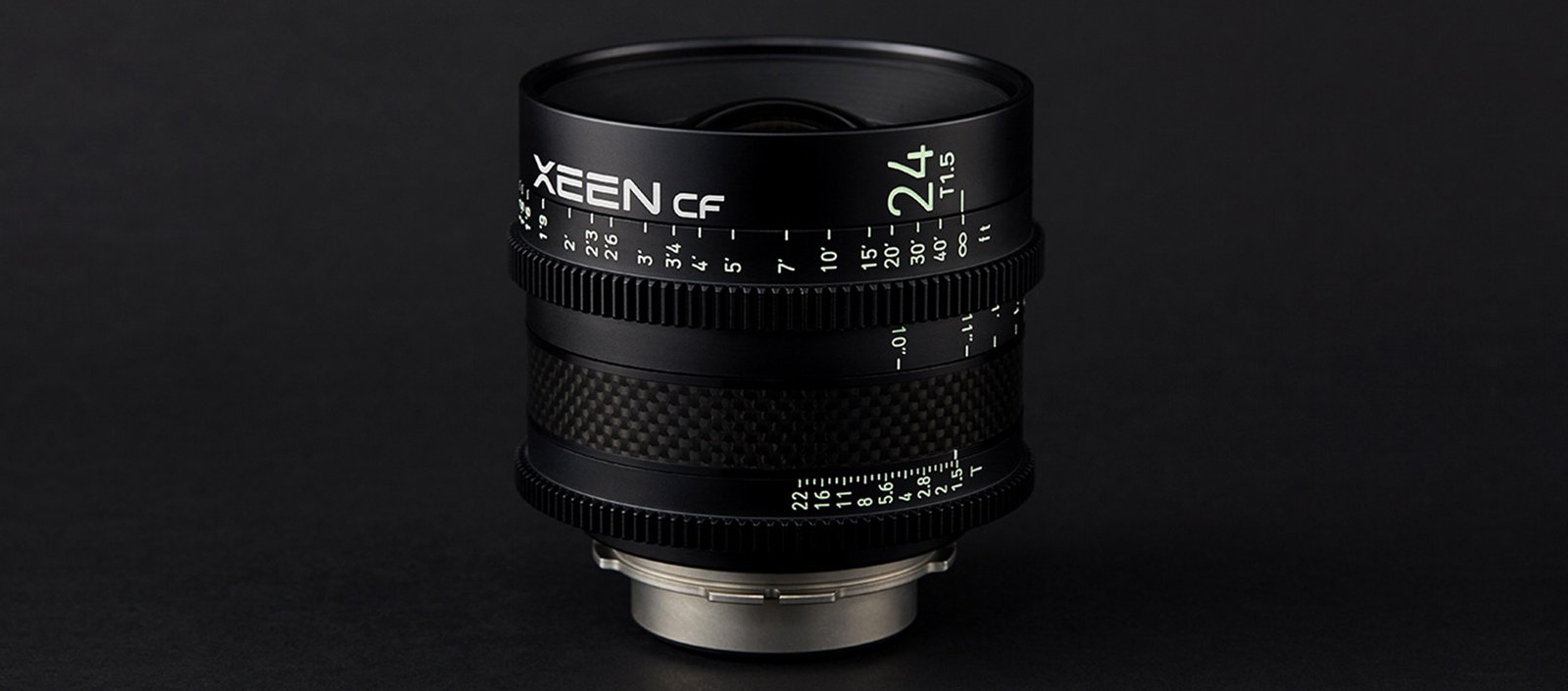
Carbon Fiber Cinema Lenses: A Game-Changer for Drone and Gimbal Filmmaking
Cinema gear has evolved rapidly over the past decade, but few upgrades have impacted filmmakers as dramatically as carbon fiber cinema lenses. These lenses are built for mobility, strength, and performance—features that matter the most in drone and gimbal filmmaking. With drones becoming essential tools in cinematography and gimbals supporting smoother handheld shots, creators now rely on lenses that are both lightweight and optical strong. Carbon fiber has stepped in as the perfect solution.
In this article, we’ll explore why carbon fiber cinema lenses are transforming the filmmaking landscape, how they benefit drone and gimbal users, and why more professionals are shifting to this new-generation lens technology.
The Evolution of Cinema Lenses in Modern Filmmaking
Traditional cinema lenses are known for their solid build, large glass elements, and reliable mechanical performance. While this makes them excellent for studio and controlled environments, they often fall short when used in high-mobility situations such as aerial cinematography or handheld shoots.
With drones and motorized gimbals rising in popularity, filmmakers needed something lighter—without sacrificing optical quality. This is where carbon fiber became a breakthrough material.
Carbon fiber lenses maintain the robust performance of traditional cinema lenses while significantly reducing the overall weight. Brands designing modern filmmaking gear quickly realized how much smoother camera rigs could operate with this material, and that shift has now become a major industry trend.
Why Carbon Fiber Is the Ideal Material for Cinema Lenses
Carbon fiber is known for being extremely lightweight yet incredibly strong. This combination is rare in filmmaking materials where durability often comes at the cost of added weight.
The lightweight nature is especially helpful for long shoots and setups that require constant balancing. Even when paired with heavier camera bodies, a carbon fiber lens can improve overall handling, making filmmakers more efficient during production.
Another reason the material stands out is its resistance to temperature changes and vibration. Drone filming introduces constant exposure to wind and movement, which can affect stability. Carbon fiber disperses vibrations effectively, helping the footage remain smoother and reducing stress on the flying rig.
How Carbon Fiber Lenses Improve Drone Filmmaking
Drone filmmaking requires precision. Excess weight reduces flight time, impacts balance, and increases the strain on motors. A traditional heavy cinema lens can hinder aerial performance, making the entire setup difficult to control.
With carbon fiber lenses, drones gain longer flight times, better maneuverability, and improved camera stability. Since aerial shots depend on fast movements and responsive direction changes, the reduced weight enables smoother transitions and cleaner output.
Shaky footage is another common drone challenge. With carbon fiber construction minimizing vibration, the footage becomes more stable before even reaching post-production. This reduces reliance on editing software for stabilization and helps preserve detail and dynamic range.
For filmmakers who rely on drone cinematography for travel videos, commercials, real estate, or filmmaking, this upgrade can dramatically enhance output quality.
Why Carbon Fiber Lenses Excel on Gimbals
Gimbals provide stabilization for handheld or moving shots, but achieving perfect balance depends heavily on the lens weight. Heavier lenses require stronger motors, which drain batteries faster and introduce more physical strain for the operator.
Carbon fiber cinema lenses make gimbal balancing easier and faster. Since they are significantly lighter than metal-bodied lenses, operators can shoot longer without fatigue. Whether you’re tracking a subject during a wedding, filming a travel vlog, or creating cinematic movement shots, a lightweight lens allows for better control and smoother results.
The reduced load also increases the gimbal’s overall motor lifespan. Over time, this makes a measurable difference, especially for creators who shoot regularly and rely on their gear daily.
Optical Quality: Does Carbon Fiber Change the Image?
A common misconception is that a lighter lens must compromise optical quality. In reality, carbon fiber refers to the external housing—not the glass elements. The internal optics remain high-performance cinema-grade glass.
This means filmmakers enjoy:
– Crisp detail
– Accurate color reproduction
– Smooth focus pull
– Minimal chromatic aberration
The durability of carbon fiber ensures that the lens retains its alignment over long-term use. Traditional heavy lenses may shift internally when dropped or mishandled, but carbon fiber offers better resistance to shock.
Why Filmmakers in Pakistan Are Adopting Carbon Fiber Lenses
Filmmaking culture in Pakistan has expanded significantly across YouTube, music videos, wedding cinematography, and drone videography. Professionals now require gear that improves workflow while maintaining image quality.
Fusion Max works closely with creators exploring lightweight setups, and many visit nearby camera shops Lahore to test different carbon fiber lenses with drones and gimbals before choosing their ideal setup.
For creators upgrading their camera gear or lens collection, Fusion Max offers a curated range of cinema optics at its camera shop, where users can compare lens weight, build quality, and compatibility with their filming equipment.
The Future of Carbon Fiber Cinema Lenses
Carbon fiber lenses are still gaining momentum in mainstream filmmaking, but the trend is fast-growing. As filmmakers prioritize portability and efficiency, these lenses will likely become the new standard for mobile and aerial production.
Future developments may include even lighter designs, larger sensor coverage, better autofocus compatibility, and specialized drone-centric lens mounts. With the demand for fast-paced content creation rising, these advancements will play a major role in shaping how filmmakers shoot and move.
Final Thoughts
Carbon fiber cinema lenses have introduced a new era for drone and gimbal filmmaking. Their lightweight strength, superior durability, and improved operating performance make them a smart investment for creators who want cinematic results without compromising mobility.
Whether you're a professional filmmaker or an emerging creator in Pakistan, upgrading to carbon fiber lenses can unlock smoother shots, longer recording sessions, and more dynamic movement in your productions.
Fusion Max remains committed to supporting filmmakers with high-quality gear, expert guidance, and access to innovative tools that enhance every project.