Sleep is one of the most essential pillars of health, yet millions of people struggle with poor sleep quality and daytime fatigue. Conventional solutions often involve medications or supplements, but there is growing curiosity around holistic approaches. One such method is foot reflexology, an age-old practice believed to enhance relaxation and balance within the body. The question many ask is simple: Can reflexology truly improve sleep and reduce fatigue, or is it just a wellness trend?
This article explores the subject through a Q&A approach, addressing common questions, separating myths from facts, and drawing on observational evidence.
What Is Reflexology and How Does It Relate to Sleep?
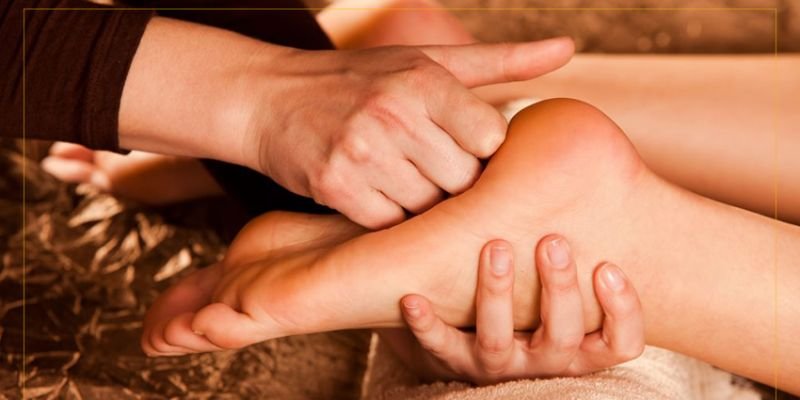
Applying pressure to particular reflex zones on the feet is a therapeutic practice known as reflexology. It is believed that these points correlate with bodily systems, glands, and organs. Applying pressure promotes relaxation, circulation, and nervous system balance all of which are essential for sound sleep.
Sleep disturbances often arise from stress, irregular hormone production, and poor circulation. Reflexology addresses these areas indirectly, helping the body reset into a state more conducive to rest, something explored in practices such as Foot Native.
Is There Scientific Evidence That Reflexology Helps Sleep?
While research is ongoing, several studies indicate a positive relationship between reflexology and improved sleep:
- A study in the Journal of Advanced Nursing reported that cancer patients who received reflexology experienced better sleep patterns compared to those who did not.
- Another clinical observation noted reduced insomnia symptoms in individuals undergoing regular reflexology sessions.
These findings suggest reflexology may not be a cure for sleep disorders, but it can be a useful complementary approach, especially for those exploring therapies like Foot Massage in Chennai as part of their wellness routine.
How Does Reflexology Reduce Fatigue?
Fatigue often results from insufficient rest, poor circulation, or chronic stress. Reflexology helps by:
- Promoting Circulation: Enhanced blood flow delivers more oxygen to tissues, reducing the sluggishness associated with fatigue.
- Balancing Hormonal Activity: Reflexology may stimulate endocrine function, supporting the natural release of melatonin, the sleep-regulating hormone.
- Activating Relaxation Responses: Gentle stimulation of the nervous system reduces overactivity, helping the body conserve and restore energy.
Myth vs Fact Section
Myth 1: Reflexology is just a foot massage.
- Fact: Reflexology follows a structured map of reflex zones, unlike general massage, which targets muscles alone. Its aim is to influence internal balance rather than muscle relaxation only.
Myth 2: Reflexology can cure insomnia on its own.
- Fact: Reflexology is supportive, not curative. While it may significantly improve sleep quality, chronic insomnia should also be evaluated by a medical professional.
Myth 3: Reflexology benefits are purely psychological.
- Fact: While relaxation does have psychological effects, research shows measurable physiological outcomes such as lowered heart rate, reduced cortisol levels, and better circulation.
Observational Insights from Wellness Practices
Reflexology practitioners in urban wellness centers have noticed consistent feedback from clients struggling with sleep. Many individuals report falling asleep more easily after evening sessions, while others describe waking up with less heaviness in the body. Some even highlight fewer interruptions in sleep cycles over time.
Fatigue reduction is often observed in professionals facing digital exhaustion or jet lag. A short reflexology session seems to help them feel more refreshed compared to other relaxation methods.
When Should Reflexology Be Used for Sleep and Fatigue?
- Before Bedtime: By calming the nervous system, an evening session helps get the body ready for sleep.
- During Stressful Phases: Since stress is one of the main factors that interferes with sleep, reflexology is especially helpful during times of mental stress.
- As a Complementary Practice: Pairing reflexology with meditation, good sleep hygiene, and balanced nutrition increases its effectiveness.
Safety and Ethical Considerations
Although reflexology is usually regarded as safe, anyone who have specific medical concerns, such as cardiovascular problems, neuropathy, or pregnancy, should speak with a healthcare provider before beginning. Reputable professionals also make it clear that reflexology is an adjunct to medical care, not a replacement for it. Credibility and trust are increased in this business by being open and honest about what clients might reasonably anticipate.
The evidence and feedback surrounding reflexology suggest that it can indeed support better sleep quality and reduce fatigue naturally. By stimulating reflex zones, improving circulation, and calming the nervous system, reflexology creates conditions that encourage deeper rest. While not a replacement for medical care in cases of severe insomnia, it serves as a gentle, non-invasive option that complements healthier lifestyle habits. For individuals seeking a natural approach to improving sleep and reducing fatigue, reflexology stands as a promising ally.