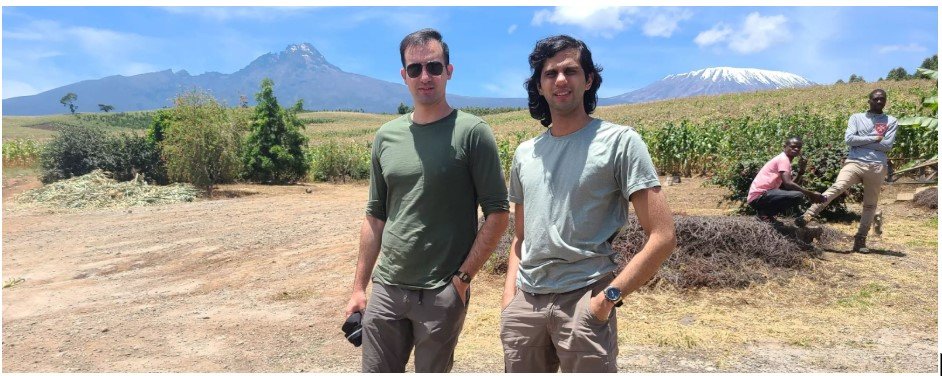
The modern world has taught us to measure almost everything — speed, efficiency, profit, performance. Yet in the quiet arithmetic of the soul, these metrics mean little. The heart does not keep score in currency, nor the spirit in convenience. To climb Kilimanjaro is to enter a realm where such calculations lose their power. It is to learn, one deliberate step at a time, that worth cannot be bought, that dignity is earned through discipline, and that the highest things in life are those that cannot be hurried.
On the mountain, the climber meets a kind of truth that commerce cannot name. Each day demands steady labour — the patient ascent through forest, moor, and desert until snow replaces soil. There are no shortcuts; no express lanes to the summit. The journey strips away the illusions of instant gratification and replaces them with something cleaner, older, and infinitely more valuable: humility. Those who ascend with a trusted climb operator soon discover that the truest luxury is not ease but endurance, not abundance but sufficiency.
The first lesson of Kilimanjaro is reverence. At sea level, we live under the illusion that we are masters of our environment, curators of convenience. But as the air thins and breath becomes prayer, that illusion dissolves. The climber learns gratitude for the smallest mercies — the warmth of a sunrise, a shared flask of tea, the sure footing of one step more. Each of these moments carries a sacred quality that consumer culture has almost forgotten: the understanding that blessing, not purchase, sustains us.
Modern travellers are accustomed to reviews, to guarantees, to comfort promised in exchange for cost. Yet the mountain offers no such assurances. It is both host and examiner. It gives nothing it has not first tested. The ascent teaches a deeper economics — the balance of risk and reward, of effort and insight. One might say the climb is a contract not of purchase, but of transformation: the mountain offers wisdom in exchange for willingness.
There is a curious honesty in this exchange. The altitude is impartial. It cares little for profession, wealth, or influence. It rewards only what is given — time, patience, and humility. Even the best equipment means nothing if the heart is untrained in endurance. The guides and porters who serve through this mountain outfitter understand this sacred rhythm. They know that no summit is achieved through pride, and no safe descent through arrogance. Each decision, from pacing to hydration, is a dialogue between human intention and divine order.
Every generation believes itself cleverer than the one before, yet Kilimanjaro reminds us that wisdom does not evolve with technology. What was true for the shepherd and the sailor remains true for the climber and the coder: endurance refines character. The mountain, in its quiet majesty, exposes our age’s misunderstanding of value. We spend freely on distraction, yet hesitate to invest in discipline. We call comfort a reward, when in truth it is often a thief — stealing the satisfaction that only effort can give.
Halfway up the mountain, most climbers experience what guides call the humbling. It is that moment when the summit still seems impossibly far, and the body begins to argue with the will. The untrained spirit asks, Why am I here? The wiser one learns to answer, Because I must remember what I am capable of when I stop buying excuses. It is at that point — when fatigue strips away the false self — that real value begins to form.
At the summit, nothing of the market remains. There are no transactions, only transformation. The thin air clears the senses; the horizon curves as if reminding man of his smallness beneath eternity. The climber’s joy is not the joy of ownership but of awareness — the realisation that value is measured not by what one gains, but by what one offers. And in that instant, all commerce is silenced by gratitude.
Descending, the traveller returns to the world changed. Meals taste richer, silence feels softer, and the smallest details — the rhythm of breath, the colour of dusk — seem infused with meaning. The climb teaches that true wealth is not stored in possession but in perception, that abundance begins with thankfulness.
To those who would measure everything by cost, Kilimanjaro stands as gentle contradiction. It invites us to reprice our priorities — to trade accumulation for awe, consumption for character, haste for holiness. In this, the mountain becomes a mirror: showing that the greatest return on any human investment is gratitude to the Creator, who fashioned both the climb and the climber, and who calls each of us, in our own way, to rise.
Tags : new