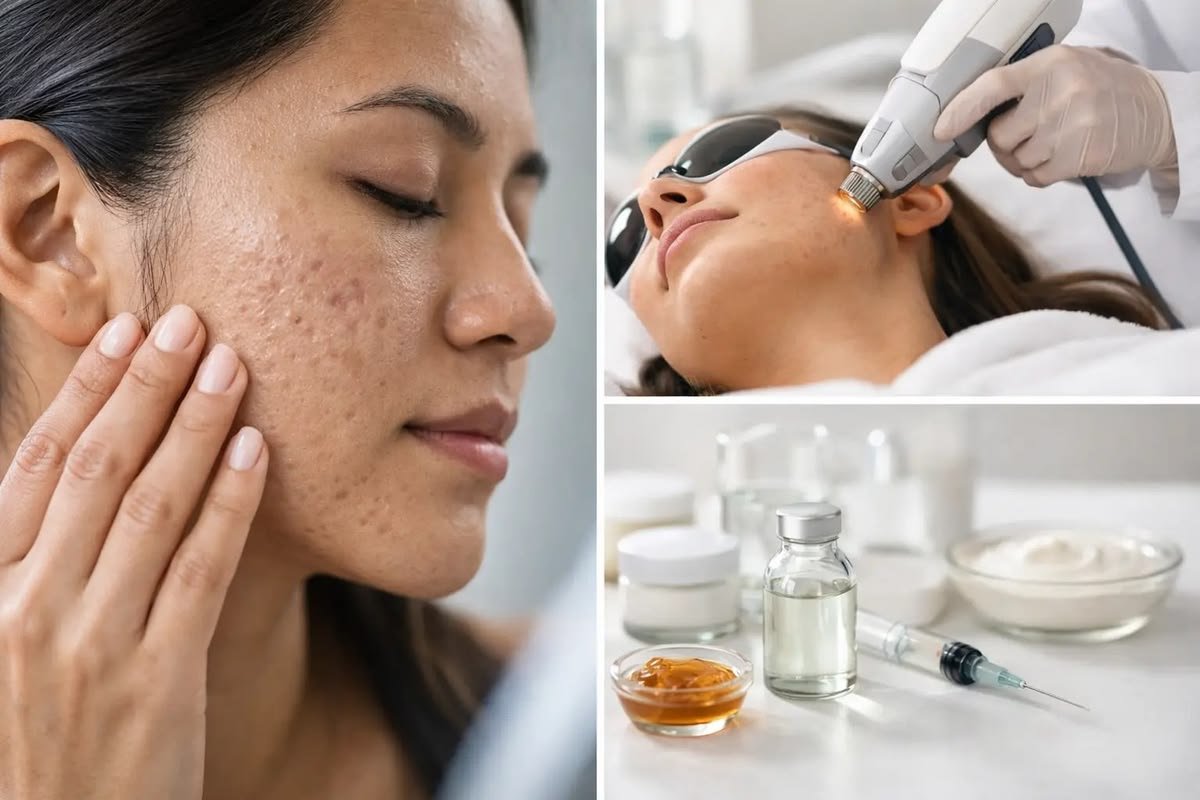
Are you tired of looking in the mirror and being reminded of that old injury? Do you find yourself covering up scars that make you feel self-conscious? Perhaps you're wondering whether modern treatments can actually make a difference to the appearance of your skin?
You're certainly not alone. Scar removal has become incredibly popular in Melbourne, with thousands of people seeking professional help each year. Whether it's acne scars from teenage years, surgical marks, or stretch marks from pregnancy, Melburnians are increasingly turning to advanced treatments to regain their confidence. The city has seen a surge in specialised clinics offering everything from laser therapy to microneedling, making it easier than ever to access quality care.
In this guide, we'll explore the most effective scar removal treatments available across Melbourne. You'll discover the different types of scars and which treatments work best for each, understand the costs involved, and learn how to choose the right clinic for your needs. We'll also tackle common questions about whether scars can truly be permanently removed and what to expect during your treatment journey. By the end, you'll have all the information you need to take that first step towards smoother, more confident skin.
Understanding Different Types of Scars
Before diving into treatments, it's worth understanding what you're dealing with. Not all scars are created equal, and knowing your scar type helps determine the best approach.
Acne Scars
Acne scars are among the most common reasons people seek treatment in Melbourne. These typically fall into three categories: ice pick scars (deep, narrow pits), boxcar scars (broad depressions with defined edges), and rolling scars (wave-like undulations). Each type responds differently to treatment, which is why a professional assessment is so important.
Surgical, Keloid, and Other Scar Types
Surgical scars result from incisions made during operations. While surgeons aim to minimise scarring, some people naturally develop more prominent marks. Keloid and hypertrophic scars are raised, often reddish, and extend beyond the original wound area. They're particularly common in people with darker skin tones and can be quite stubborn to treat.
Injury scars from accidents, burns, or trauma vary widely in appearance. Stretch marks, technically called striae, occur when skin stretches rapidly during pregnancy, growth spurts, or weight changes. Though often considered a separate category, many of the same treatments that work for scars can improve stretch marks too.
What Is the Most Effective Treatment for Scar Removal?
Here's where things get exciting. Melbourne offers a brilliant range of treatment options, each with its own strengths.
Laser Scar Removal Treatment
Laser therapy has revolutionised scar treatment. Ablative lasers (like CO2 and Erbium) remove thin layers of skin, stimulating new collagen production. Non-ablative lasers work beneath the surface without damaging the outer layer. Fractional laser technology creates microscopic treatment zones, promoting faster healing.
Most people require three to six sessions, spaced several weeks apart. The results can be remarkable, particularly for acne scars and surgical marks. Many Melbourne clinics now offer the latest fractional CO2 lasers, which deliver impressive results with reduced downtime.
Microneedling and Collagen Induction Therapy
Microneedling involves creating tiny punctures in the skin using fine needles. This triggers your body's natural healing response, boosting collagen and elastin production. It's particularly effective for:
When combined with platelet-rich plasma (PRP), results can be even more impressive. This treatment suits most skin types and generally requires minimal recovery time.
Chemical Peels and Dermal Fillers
Chemical peels use acids to remove damaged outer skin layers. Superficial peels work on mild scarring, while medium and deep peels tackle more significant marks. They're often more affordable than laser treatments and can be quite effective for shallow scars.
For depressed scars, dermal fillers offer a different approach. Injectable fillers (typically hyaluronic acid) plump up indented scars, creating a smoother surface. Results are immediate but temporary, usually lasting six to eighteen months.
Surgical Scar Revision
Sometimes, surgical intervention proves the best option. This might involve excising the scar and carefully re-closing the wound, or using techniques like Z-plasty to redirect the scar along natural skin lines. Surgical revision is often recommended for large, raised, or contracture scars that haven't responded to other treatments.
Can Scars Be Permanently Removed?
Here's the honest truth: no treatment can completely erase a scar. Your skin simply doesn't work that way. What treatments can do is significantly improve the appearance, texture, and colour of scars, sometimes making them virtually unnoticeable.
The goal is always improvement rather than perfection. Many people see 50-80% improvement in their scars following professional treatment. Results depend heavily on the scar type, your skin's healing ability, and the treatment chosen. Setting realistic expectations from the start leads to greater satisfaction with your results.
What to Expect During and After Scar Treatment
Recovery time varies considerably. Microneedling might leave you slightly red for a day or two, while ablative laser treatment could require a week of downtime. Most people need multiple sessions – typically three to six – spaced four to eight weeks apart for optimal results.
During treatment, you may experience mild discomfort, though topical anaesthetics help considerably. Afterwards, following aftercare instructions carefully is absolutely crucial. This usually means avoiding sun exposure, keeping the area moisturised, and being patient with the healing process.
Are There Any Risks or Side Effects?
All treatments carry some risk. Common side effects include temporary redness, swelling, and sensitivity. More serious but rare complications can include infection, scarring (ironically), or changes in pigmentation – particularly concerning for darker skin tones.
Choosing a qualified practitioner and following pre and post-treatment instructions minimises these risks significantly. Don't be afraid to ask about a clinic's safety record and what protocols they have in place.
At-Home Scar Treatment Options: Do They Actually Work?
Over-the-counter options like silicone gels, vitamin E creams, and scar sheets can help with newer, minor scars. They're certainly worth trying before investing in professional treatments. However, for established or significant scarring, these products rarely deliver dramatic results.
Think of home treatments as maintenance rather than cure. They work best alongside professional treatments or for very mild scarring.
Taking the First Step Towards Smoother Skin
We've covered quite a bit of ground here. From understanding the different types of scars to exploring treatments like laser therapy, microneedling, and chemical peels, you now have a solid foundation for making informed decisions. You've also learned what to expect regarding costs, recovery times, and realistic outcomes.
The most important takeaway? Effective scar treatment is absolutely achievable, but it requires choosing the right approach for your specific situation. What works brilliantly for acne scars might not suit keloid scarring. A qualified practitioner can assess your individual needs and create a tailored treatment plan.
So, what's your next step? Book a consultation with a reputable Melbourne clinic. Most offer free or low-cost initial appointments where you can discuss your concerns without commitment. Remember, taking action doesn't mean rushing – it means gathering the information you need to make the best choice for your skin and your confidence. Your journey to smoother skin starts with that single appointment.
Tags : morpheus8 melbourne


















