The distribution of electronics has become the core business within the current global market. Distributors serve the manufacturers, retailers, and consumers. They regulate the movement of the devices, parts, and components that drive business and everyday life. To B2B companies, electronics distribution is not just about shipping products. It is cost-depreciation, efficiency, and reliability.
Also, the home electronics market and the overall consumer technology are still expanding. The retailer of consumer electronics are demanding ease, security, and predictable delivery. So, the manufacturers will depend on effective channels for scaling.
Concurrently, the distributors experience difficulties in electronic chain management. The knowledge of the current trends and implementation of best practices enables small businesses to gain trust, keeping their status competitive.
In this guide, I will explain the trends and best practices in electronic distribution for business success. With these insights, you can better understand how this billion-dollar electronic industry is working in the real world.
Challenges and Insights in Electronics Distribution
Running an electronics distribution business is not easy. The process has many risks that affect performance and profits. Therefore, it is crucial to know the challenges in the electronics industry.
Some of the most common challenges include:
Product handling and damage risks
Electronics are delicate. When the handling is not done the proper way, this could lead to broken devices and expensive replacements. This raises the warranty calls and lowers customer satisfaction.
Bottlenecks in the supply chain
The global supply chains experience delays that may be occasioned by transport problems, customs examinations, or the lack of raw materials. Such bottlenecks hamper delivery and lead to a backlog in the management of electronics inventory.
Issues about robbery and security
Thieves are interested in stealing pricey goods like smartphones and laptops. Poor security may cause losses either in storage or in transportation. This has a direct effect on the electronics logistics services and business image.
Large return or warranty expenses
High rates of return raise the operating costs. They also have negative effects on retailers and consumers. This may ruin relationships with customers and business associates in the B2B context.
These are hindrances to cost, efficiency, and reliability. Otherwise, they curtail growth in electronic business commerce by decreasing its margins.
Solutions and Trends Driving Success

The industry is evolving with new practices that help distributors solve problems and meet demand more effectively.
Smart inventory tracking
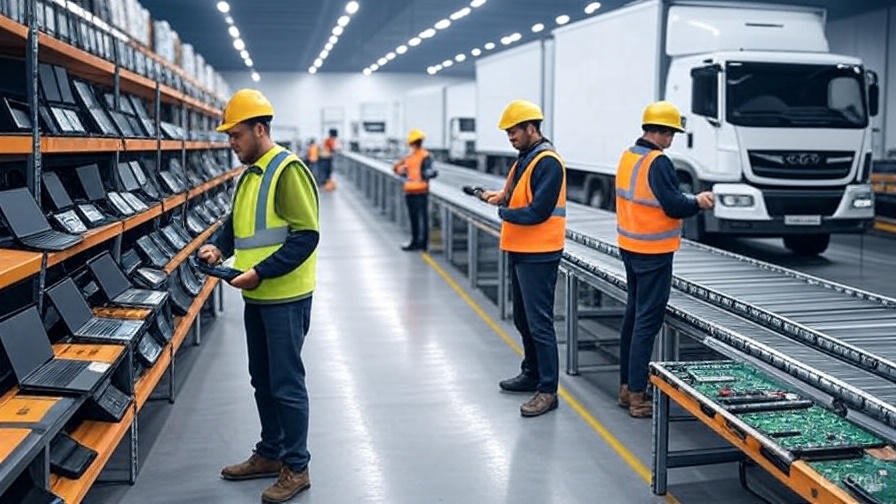
Electronics stock in the present day is controlled with the help of digital implementations. RFID technology and barcode systems can enable businesses to have real-time tracking. This decreases the risk of misplacement and makes stock planning easier.
Automation and IoT in logistics
Automation and IoT are transforming logistics in the electronics industry by making supply chains faster, smarter, and more reliable. Automated systems streamline inventory management, order processing, and warehouse operations, reducing errors and costs. Meanwhile, IoT-enabled sensors and devices provide real-time tracking of shipments, monitor product conditions, and ensure timely deliveries. Together, automation and IoT improve efficiency, enhance visibility, and support the growing demand for precision and speed in the electronics market.
Environmentally viable and recycling activities
The world of electronics is being pressed to ensure that it minimizes wastage. Companies use environmentally friendly materials, effective natural resource consumption and green packaging. These undertakings enhance brand image and satisfy consumer needs over the sustainability aspect in the consumer technology solutions market.
Risk management techniques
Distributors use stricter security at the warehouse and on the road. Insurance, surveillance systems and undertaking of secure transportation mitigate theft. Good policies on dealing with delicate items will reduce returns and warranty expenses.
Packaging as a Practical Solution

One main factor that correlates neatly with distribution success is the packaging. Custom electronic packaging boxes help elude damage due to transportation and storage. Such a hardware-designed packaging, which cushions against breakages, scratches, and moisture, gives better confidence to clients. It also eases the handling involved in warehouses and during transit, contributing to operational efficiency.
Cost Breakdown in Electronics Distribution
Final Thoughts
Electronics distribution has its real challenges that include electronics supply chain management and product handling dangers. A business that leverages smart inventory tracking, automation, eco-friendly policies, and risk management can get a significant advantage. It is also important that packaging helps to eliminate losses and enhance shipping safety.
To grasp that distinction between electronic commerce and business electronic commerce is also critical. Whereas e-commerce is concerned with online purchasing, electronic business embraces the entire activity of supply, distribution, and customer relations. By harmonizing the two, distributors will be in a good position to enhance their presence in B2B electronics distribution and be competitive in a competitive environment.
The bottom line is straightforward: enhance productivity, mitigate risks, and put emphasis on customer satisfaction. Smart technology, reliable packaging, and better processes are the ingredients that distributors require to ensure long-term success in the electronic industry.