Walk into any successful small business and you'll notice something before you even reach the counter — clear, professional signage guiding you through the space. Good indoor signs for business aren't just decoration; they shape how customers experience your brand from the moment they step through the door. But with so many providers out there, how do you know which one will actually deliver quality work on time and on budget?
Choosing the right signage partner can feel overwhelming, especially if you've never ordered custom signage before. Here's a practical breakdown of what actually matters when evaluating a provider.
1. Look at Their Portfolio, Not Just Their Website
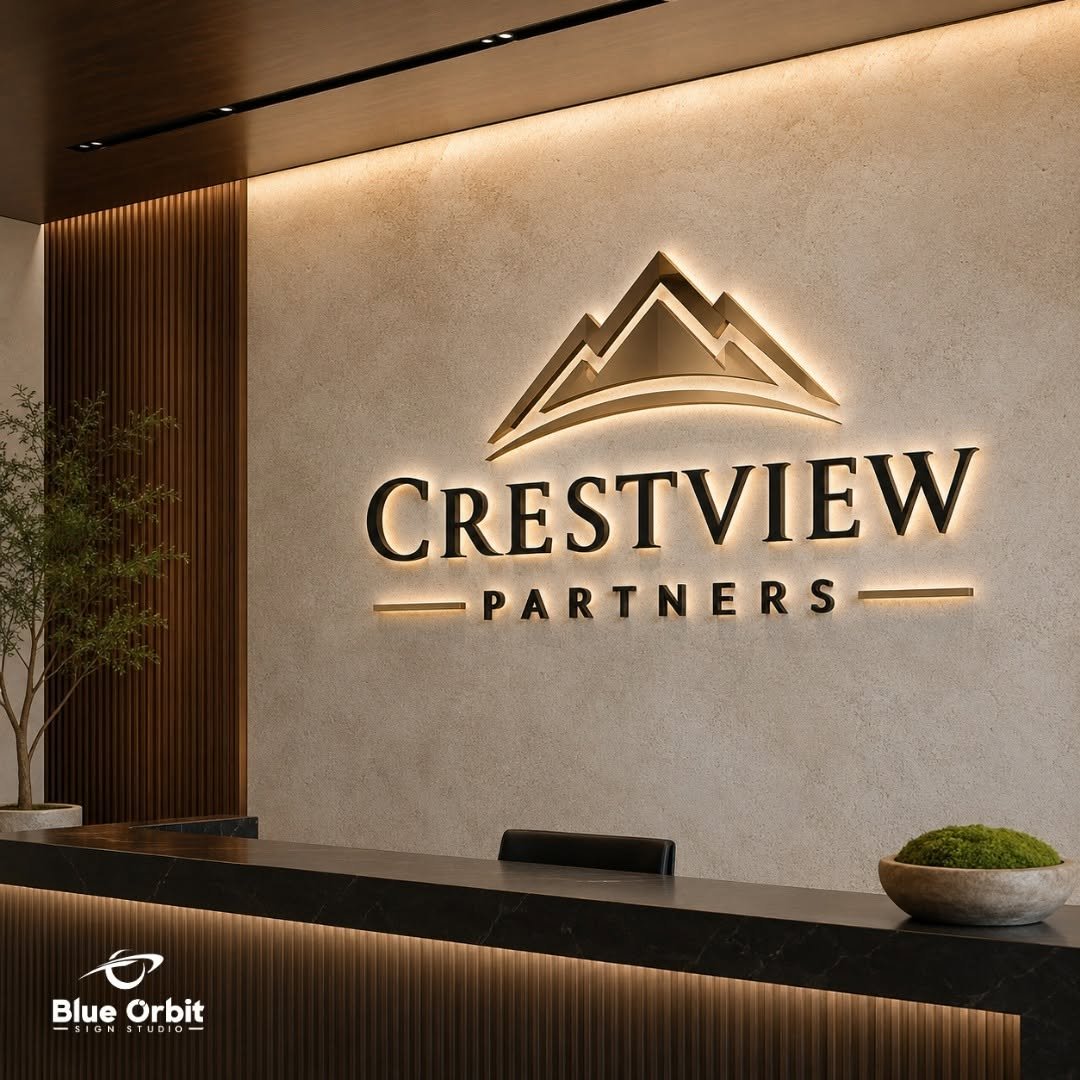
A polished website is nice, but it doesn't tell you much about craftsmanship. Ask to see real installation photos — not just design mockups. A provider with a strong track record will happily show you completed projects across different industries: retail stores, medical offices, restaurants, and corporate lobbies.
Pay attention to consistency. Do the signs look clean and well-finished across different projects, or does the quality seem to vary? This is often the clearest indicator of how a company handles production standards.
2. Check Their Range of Materials and Sign Types
Not every business needs the same kind of signage. A reputable provider should offer a variety of options — acrylic, wood, metal, backlit panels, dimensional lettering, and wayfinding systems — rather than pushing a one-size-fits-all product.
If a company only offers one or two sign styles, that's often a sign (no pun intended) that they're more of a print shop than a true signage specialist. You want a team that can recommend the right material and format based on your space, lighting, and brand identity, not just what's easiest for them to produce.
3. Ask About the Design Process
Good signage starts with good design. Find out whether the company offers in-house design support or if you're expected to supply print-ready files yourself. For small business owners without a design background, this distinction matters a lot.
A trustworthy provider will walk you through revisions, offer guidance on sizing and placement, and make sure the final product actually fits your space — not just look good on a screen.
4. Understand Installation and Turnaround Times
Signage is only useful once it's actually on your wall or window. Ask upfront about installation timelines, and whether the company handles setup themselves or subcontracts it out. Subcontracted installation isn't necessarily bad, but it does add another layer of coordination that can lead to delays.
Also ask about typical turnaround from design approval to final installation. A company that's vague about timelines is often a company that struggles to hit them.
5. Read Reviews — But Look for Patterns
One or two negative reviews don't necessarily mean a company is unreliable. What matters more is the pattern. Are multiple reviews mentioning missed deadlines? Poor communication? Inconsistent quality? These recurring themes tell you more than a star rating ever could.
Local businesses are especially worth paying attention to here, since a company's reputation in its own community often reflects years of consistent work. This is why business owners searching for a sign company Huntsville residents actually trust tend to rely heavily on word-of-mouth and local reviews rather than national directories alone.
6. Consider Ongoing Support, Not Just the One-Time Order
Signage needs change as your business grows. Maybe you'll rebrand in a few years, open a second location, or need a damaged sign replaced quickly. A good provider thinks beyond the initial sale and offers maintenance, repairs, or future updates without starting from scratch every time.
This kind of long-term relationship is where a local, hands-on studio tends to outperform larger, impersonal chains.
Why Local Expertise Matters
Working with a nearby provider has real advantages: faster response times, in-person consultations, and a better understanding of local business districts and foot traffic patterns. Teams like Blue Orbit Sign Studio bring this kind of local insight to the table, combining hands-on design support with the technical know-how to produce durable, professional signage tailored to each client's space and budget.
Final Thoughts
Choosing a signage partner isn't just about price — it's about finding a team that understands your brand, communicates clearly, and delivers consistent quality from design through installation. Take the time to review portfolios, ask the right questions, and pay attention to how a company handles the details.
The right partner won't just make your space look better. They'll help your business make a stronger first impression, one sign at a time