Battery Solar Solutions Explained: How to Compare Features, Costs and Long-Term Value
By Jane Rochstad 31-08-2026 4
Understanding what to look for when choosing a home energy storage system and how to make a more informed purchasing decision.
As more households look for ways to manage rising electricity costs and make better use of renewable energy, battery storage has become an increasingly popular consideration. While solar panels have already changed how many Australians generate electricity, adding a battery allows homeowners to store excess energy and use it when it is needed most.
However, choosing the right system is not simply about finding the largest battery or the lowest upfront price. Like any significant household investment, understanding the available options, comparing important features, and considering long-term value may help consumers make a decision that better suits their needs.
Battery solar solutions are designed to help households gain greater control over their energy usage, but the right choice depends on factors such as electricity consumption, property requirements, existing solar systems, and future energy goals.
Understanding How Battery Solar Solutions Work
Traditional solar systems generate electricity during daylight hours, often producing the most energy when household demand may be lower. Without a battery, excess electricity may be exported back to the grid depending on the homeowner’s energy plan and local arrangements.
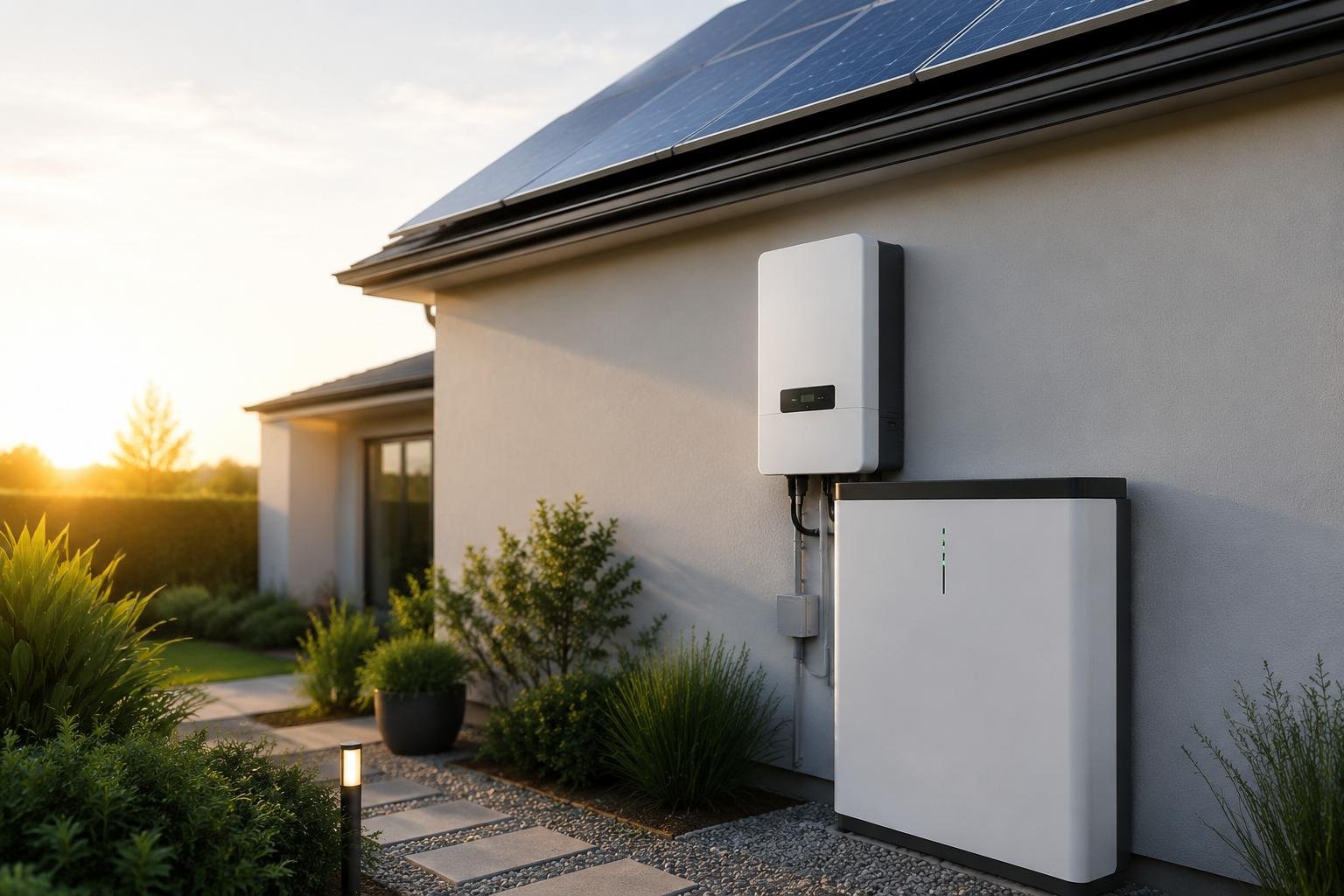
A solar battery changes how that energy is managed. Instead of sending unused solar power away, a battery stores it for later use. This stored energy may then be accessed during the evening, on cloudy days, or during periods when electricity prices are higher.
For many homeowners, the appeal of battery storage comes from having greater flexibility. Rather than relying entirely on electricity from the grid, households may use more of the energy they generate themselves.
This shift towards energy independence is one reason battery solar solutions have become a major consideration for homeowners reviewing their energy options.
Why Choosing the Right Solar Battery Requires Research
Solar batteries represent a long-term investment, meaning the cheapest option is not always the most suitable choice. Different systems offer different levels of performance, storage capacity, warranties, and compatibility.
Before making a decision, homeowners should consider how their household uses electricity. A family with high evening energy consumption may have different requirements compared with a smaller household that uses most electricity during daylight hours.
Understanding these differences may prevent homeowners from choosing a system that is either too small to meet their needs or larger than necessary.
Similar to other major purchases, researching reviews and consumer experiences may provide valuable insight. The Consumers Feedback provides resources that help readers better understand how to approach purchasing decisions, including the importance of comparing products and services before committing.
Comparing Battery Capacity and Storage Requirements
One of the first features consumers often look at is battery capacity. This refers to how much energy the battery is capable of storing, usually measured in kilowatt-hours (kWh).
While a larger battery may appear attractive, more storage does not automatically mean better value. The ideal capacity depends on several factors, including:
- Daily electricity consumption
- Existing solar generation
- Household routines
- Future energy needs
- Whether electric vehicles or additional appliances may be introduced
For example, a household that regularly uses electricity at night may benefit from more storage capacity, while another home may only require a smaller system to cover evening usage.
Consumers should focus on selecting a battery that matches their actual energy habits rather than simply choosing the biggest available option.
Looking Beyond Price When Comparing Solar Batteries
Cost is naturally an important consideration when investing in home energy technology. However, focusing only on the initial price may overlook other factors that influence long-term value.
A quality solar battery system should also be assessed based on:
Warranty Coverage
Battery warranties may differ significantly between manufacturers. Consumers should review what is covered, how long the warranty lasts, and whether there are performance guarantees included.
Battery Efficiency
Not all stored energy is delivered back to the home. Some energy may be lost during the charging and discharging process. Efficiency ratings provide insight into how effectively a battery manages stored power.
System Lifespan
A battery’s expected lifespan is another important factor. Understanding how many charge cycles a system is designed to handle may help homeowners evaluate whether the investment aligns with their expectations.
Installation Quality
Even a high-quality battery requires professional installation to perform effectively. The installer’s experience, knowledge of local requirements, and ongoing support may influence the overall experience.
Homeowners researching installation options may find resources such as Select Electrical solar battery solutions useful when learning more about what to consider when exploring battery storage systems.
The Importance of Solar Battery Compatibility
Another important factor is whether a battery system works effectively with an existing solar setup.
Not every battery is suitable for every property. Compatibility may depend on:
- Existing solar inverter technology
- System size
- Electrical configuration
- Available installation space
- Future upgrade plans
Homeowners considering adding a battery to an existing solar system should ensure the proposed solution works with their current setup rather than assuming all products are interchangeable.
A professional assessment may help identify potential limitations and ensure the chosen system is appropriate for the property.
Common Mistakes Consumers Make When Buying Battery Solar Solutions
Choosing Based Only on Battery Size
A common misconception is that a larger battery always provides better results. However, unused storage capacity may mean homeowners are paying for features they do not fully use.
A well-sized system based on actual energy consumption may provide better value than simply selecting the largest available option.
Ignoring Long-Term Support
A battery system is not just a one-time purchase. Over time, homeowners may need assistance with monitoring, servicing, or understanding system performance.
Considering the level of support available after installation may help avoid issues in the future.
Not Comparing Different Options
Consumers often compare prices but may overlook differences in features, warranties, and installation services.
A thorough comparison should include questions such as:
- Does the system suit my household’s electricity usage?
- How long is the warranty period?
- What happens if performance declines?
- Is monitoring software included?
- Who provides ongoing support?
Taking the time to research these areas may lead to a more informed decision.
How Consumer Reviews Can Help With Energy Purchases
When purchasing technology for the home, reviews and customer experiences may offer useful perspectives. While every household’s situation is different, feedback may reveal common themes relating to communication, installation processes, product reliability, and ongoing support.
Consumers can also improve their decision-making process by considering multiple sources of information rather than relying on a single opinion.
The Consumers Feedback focuses on helping readers better understand products and services before making purchasing decisions. Exploring guides related to consumer buying decisions may provide additional context for evaluating important household investments.
Preparing Your Home for Future Energy Needs
Energy use is changing rapidly. Many households are adopting more electric appliances, considering electric vehicles, and looking for ways to reduce reliance on traditional energy sources.
Battery solar solutions may become increasingly valuable as homeowners look for flexible ways to manage their electricity consumption.
When considering a battery installation, homeowners may benefit from thinking beyond their current needs. A system that suits today’s energy habits may also need to support future changes, such as increased electricity usage or additional renewable energy upgrades.
Making a More Informed Solar Battery Decision
Choosing a solar battery requires more than comparing prices. Homeowners should consider how a system fits their lifestyle, energy usage, property requirements, and long-term goals.
By understanding battery capacity, efficiency, warranties, compatibility, and installation considerations, consumers may feel more confident when comparing their options.
Battery solar solutions provide an opportunity for households to take greater control of their energy usage, but the best results often come from selecting a system based on careful research rather than a quick decision.
A well-informed approach helps homeowners focus on long-term value and choose an energy storage solution that better aligns with their needs.
Tags : battery solar solutions