AI Skincare Analysis Technology: Major Benefits and Innovations in 2026
The beauty and skincare industry has undergone a remarkable transformation with the integration of artificial intelligence technology. As we progress through 2026, AI-powered skincare analysis has evolved from a novel concept into an essential tool that's revolutionizing how consumers approach their skincare routines. This technology combines advanced algorithms, computer vision, and machine learning to deliver personalized skincare insights that were once only available through expensive dermatologist consultations.
Understanding AI Skincare Analysis
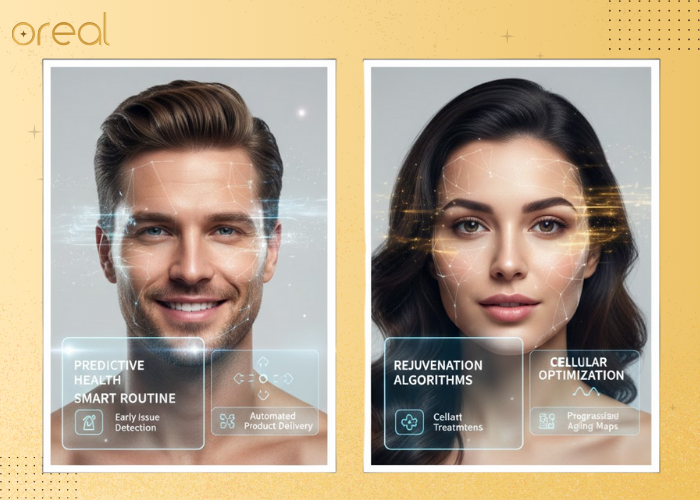
AI skincare analysis utilizes sophisticated algorithms to examine facial images and identify various skin conditions, concerns, and characteristics. By analyzing thousands of data points from a single photograph, these systems can detect issues such as wrinkles, fine lines, dark spots, acne, redness, pores, texture irregularities, and signs of aging. The technology has advanced significantly and is now capable of assessing skin conditions with accuracy that rivals professional dermatological evaluations.
Modern AI skincare platforms use deep learning models trained on millions of facial images representing diverse skin types, tones, and conditions. This extensive training enables the systems to recognize patterns and anomalies that might escape the human eye, providing users with comprehensive insights about their skin health.
Personalized Skincare Recommendations
One of the most significant benefits of AI skincare analysis is its ability to deliver truly personalized product recommendations. Rather than relying on generic skincare advice or trial-and-error approaches, users receive customized suggestions based on their specific skin profile. The AI considers factors including skin type, current concerns, environmental conditions, lifestyle habits, and even seasonal variations to recommend products and routines that address individual needs.
This personalization extends beyond simple product matching. Advanced AI systems now create complete skincare regimens, suggesting the optimal order of application, appropriate quantities, and ideal timing for each product. This level of customization helps users maximize the effectiveness of their skincare investments while minimizing the risk of adverse reactions or incompatible product combinations.
Real-Time Progress Tracking
AI skincare technology in 2026 offers sophisticated progress tracking capabilities that were previously unavailable to everyday consumers. Users can capture regular images of their skin, and the AI system analyzes changes over time, providing objective measurements of improvement or decline. This data-driven approach removes the guesswork from skincare effectiveness, allowing users to see concrete evidence of how their routine impacts their skin.
The technology tracks multiple metrics simultaneously, including hydration levels, pigmentation changes, wrinkle depth, pore size, and overall skin texture. Visual comparisons and detailed reports help users understand which products and practices are delivering results and which might need adjustment. This feedback loop encourages consistent skincare habits and helps users make informed decisions about their beauty investments.
Early Detection of Skin Concerns
Perhaps one of the most valuable innovations in AI skincare analysis is its ability to detect potential skin issues before they become visible to the naked eye. Advanced algorithms can identify the early stages of concerns such as sun damage, hyperpigmentation, or loss of elasticity, enabling proactive intervention. This early warning system allows users to address problems before they require more intensive treatments or professional intervention.
Some AI platforms have incorporated capabilities to flag potential medical concerns that require professional evaluation. While these systems explicitly state they're not substitutes for medical diagnosis, they serve as valuable screening tools that can prompt users to seek dermatological care when necessary. This preventive approach contributes to overall skin health and potentially catches serious conditions in their earliest, most treatable stages.
Accessibility and Convenience
AI skincare analysis has democratized access to expert-level skin assessments. What once required expensive consultations with dermatologists or estheticians is now available through smartphone applications and online platforms. This accessibility is particularly valuable for people in remote areas, those with mobility limitations, or individuals who face financial barriers to professional skincare services.
The convenience factor cannot be overstated. Users can perform comprehensive skin analyses from home at any time, without scheduling appointments or traveling to clinics. This ease of access encourages regular skin monitoring and promotes proactive skincare habits. The technology fits seamlessly into modern lifestyles, requiring only a few minutes and a smartphone camera to generate detailed insights.
Integration with Smart Devices and IoT
The latest innovations in 2026 include seamless integration between AI skincare analysis platforms and smart home devices. Connected mirrors with built-in cameras and sensors can automatically perform daily skin scans, tracking changes without requiring manual input. These devices sync with smartphone apps, creating comprehensive longitudinal data that reveals long-term trends and patterns.
Wearable devices now contribute additional data points, including hydration levels, sun exposure, sleep quality, and stress indicators that all impact skin health. This holistic approach considers the interconnected factors affecting skin condition, providing more accurate recommendations and insights.
Environmental and Lifestyle Considerations
Modern AI skincare systems incorporate environmental data such as weather conditions, pollution levels, humidity, and UV index to adjust recommendations accordingly. The technology recognizes that skincare needs fluctuate based on external factors and adapts suggestions to match current conditions. Users traveling to different climates receive updated guidance that accounts for their new environment.
Lifestyle factors, including diet, exercise, sleep patterns, and stress levels, are also integrated into advanced platforms. By considering these variables, AI systems provide comprehensive wellness advice that extends beyond topical products, recognizing that true skin health results from both external care and internal well-being.
Sustainability and Waste Reduction
AI skincare analysis contributes to sustainability efforts by reducing product waste and promoting more thoughtful consumption. By receiving precise recommendations tailored to their needs, users avoid purchasing unsuitable products that end up unused. This targeted approach minimizes the environmental impact associated with excessive product manufacturing, packaging, and disposal.
Some platforms now include features that assess product compatibility with existing collections, preventing redundant purchases and encouraging users to fully utilize products before acquiring new ones.
Conclusion
AI skincare analysis technology in 2026 represents a significant leap forward in personalized beauty care. The combination of accurate diagnostics, customized recommendations, progress tracking, and convenient accessibility has transformed how people approach skincare. As the technology continues evolving, we can expect even more sophisticated capabilities that further bridge the gap between professional dermatological care and at-home beauty routines. For consumers, this means more effective skincare solutions, better outcomes, and greater confidence in their daily beauty decisions. The future of skincare is undoubtedly intelligent, personalized, and more accessible than ever before.