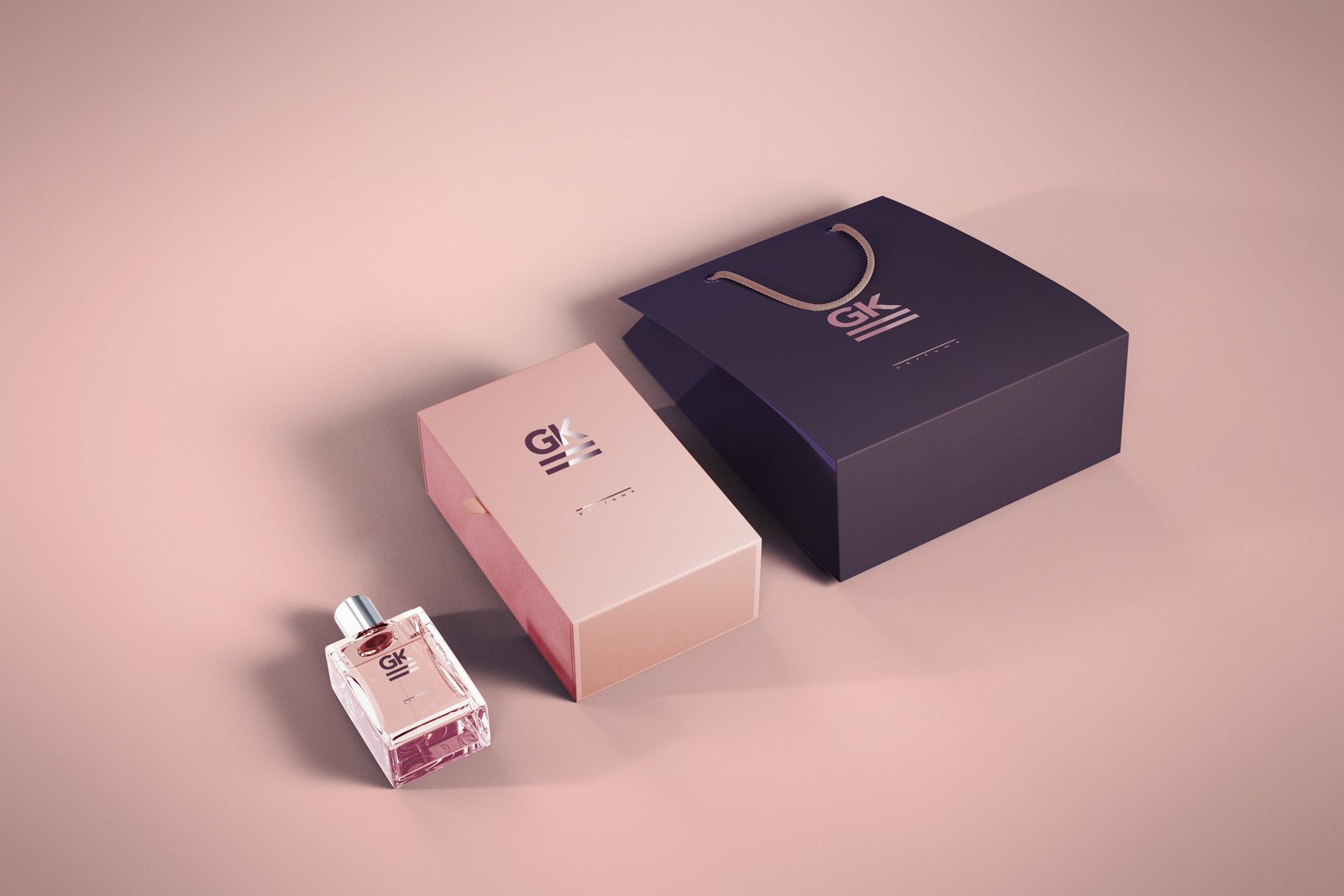
Today, people are more aware of how their choices affect the planet. This includes the way products are packaged. Perfume packaging has often been luxurious but wasteful. Now, many brands are turning to biodegradable options. These eco-friendly solutions are not just better for the earth, but they also bring a fresh and natural appeal to consumers. This article explores different types of biodegradable materials, why they matter, and how the shift is reshaping the fragrance industry.
Natural Paper-Based Packaging
One of the most common biodegradable materials is paper. It is made from natural wood pulp, which breaks down easily in the environment. Paper packaging is light and can be shaped in many ways. This makes it great for perfume boxes and labels.
Paper can be sourced from recycled material, which further reduces its impact on nature. Some companies even use handmade paper. This gives a unique touch to their perfume products. Natural inks made from soy or vegetables are often used for printing. These break down faster than synthetic inks.
While paper packaging is simple, it can still look high-end. Embossing, texture, and foil stamping can make it feel elegant. Brands can give a luxury feel without using plastic or other harmful materials.
Besides its eco-friendly qualities, paper also allows better breathability. This helps preserve the quality of certain natural perfumes. As more customers demand clean beauty and sustainability, paper-based packaging is becoming a smart choice.
Compostable Plant-Based Films
Biodegradable films made from plants are another great option. These are created from materials like cornstarch, sugarcane, or cellulose. They look like plastic but break down naturally without leaving toxic waste.
These films can be used to wrap perfume bottles or act as protective layers. They help protect the product from moisture and dust, just like regular plastic. However, they do so without causing harm to the environment.
Some films are even certified for home composting. This means they can break down in a backyard compost bin. This gives consumers a chance to return packaging to nature. This type of packaging is especially useful for travel-sized perfumes or sample kits.
The main challenge is the cost. Plant-based films can be more expensive than plastic. Still, as demand grows and production methods improve, prices are coming down. More brands are willing to invest in such materials to meet eco-conscious values.
In addition to protecting the product, plant-based films also improve the customer experience. They send a strong message about the brand’s care for the planet. This builds customer loyalty and trust.
Mushroom Packaging for Protection
A unique type of biodegradable packaging comes from mushrooms. This is known as mycelium packaging. It is made from the root-like structure of fungi and agricultural waste. The mixture is grown in molds that shape the final packaging.
Mushroom packaging is sturdy, lightweight, and fully compostable. It can be used to cushion perfume bottles during shipping. Once used, it breaks down in the soil within weeks.
Unlike foam or plastic inserts, mushroom material does not pollute. It uses very little energy and water to produce. This makes it one of the most sustainable choices for protective packaging.
The process of growing mycelium can be tailored. Each mold is made to match the product’s shape. This means that every perfume bottle can have its custom support. It fits snugly, offering better safety and reducing breakage during transport.
Mycelium also adds a natural, earthy feel to the unboxing experience. It looks and feels different from synthetic options. For niche or artisanal perfume brands, this gives an edge. Customers often remember the packaging just as much as the scent.
Bamboo and Other Fast-Growing Materials
Bamboo is one of the fastest-growing plants on earth. This makes it a renewable and sustainable material. It can be used for lids, boxes, or holders in perfume packaging. Bamboo is naturally strong, smooth, and visually appealing.
It requires no pesticides to grow and uses very little water. When discarded, bamboo breaks down completely in soil without leaving harmful substances. It is also light in weight but durable, which makes it ideal for packaging.
Besides bamboo, materials like hemp and jute are also used. These fibers are strong, compostable, and have a rustic charm. They give a natural look and feel, which pairs well with organic perfumes.
Using these materials adds value to the product. People are willing to pay more for items that respect the earth. Brands that use bamboo and other plant-based materials often share the story behind the packaging. This transparency builds trust and shows responsibility.
Bamboo can be polished or left raw, depending on the desired look. It gives flexibility in design and branding. For companies looking to reduce waste, this is a reliable and stylish choice.
Recycled Glass and Minimalist Design
Though glass is not biodegradable, it is highly recyclable. Using recycled glass is a smart way to reduce the need for raw materials. For perfume bottles, this helps lower carbon footprint while maintaining elegance.
Pairing recycled glass with biodegradable outer packaging is becoming more common. Many companies are using simpler, minimalist designs. This reduces the number of materials and makes recycling easier.
Minimalism avoids layers of plastic, foam, and excessive printing. Instead, it focuses on clean lines and simple wrapping. This appeals to modern consumers who value both style and sustainability.
Glass is also reusable. Perfume bottles made from glass can be refilled or repurposed. Some brands offer refill stations or return programs. This further reduces waste and encourages circular use.
When combined with eco-friendly packaging made from biodegradable materials, recycled glass becomes a powerful symbol of change in the industry. Brands using this method are able to meet green goals without giving up on aesthetics or quality.
Seed-Embedded Packaging
An innovative idea in perfume packaging is embedding seeds into paper or pulp. After the packaging is used, it can be planted. This turns waste into life.
These types of packages often use recycled paper mixed with wildflower or herb seeds. When watered and placed in soil, the paper decomposes, and plants begin to grow. It creates a strong emotional connection between the buyer and the brand.
This idea not only reduces waste but adds purpose to packaging. It reminds people that small actions can lead to big changes. Perfume buyers become part of a sustainable story.
Seed-embedded packaging is great for limited-edition products or promotional items. It shows creativity and care for the environment. It also gives brands a way to stand out in a crowded market.
The materials used are safe, natural, and free from chemicals. The seed types are usually native plants, which means they support local wildlife when grown. This eco-conscious gesture turns packaging into a positive act for the earth.
Eco-Friendly Inks and Dyes
Many people overlook the importance of inks used in packaging. Traditional inks contain harmful chemicals that pollute water and soil. In contrast, eco-friendly inks are made from natural sources like soy, algae, or vegetables.
These inks are safer and break down easily. They also give a rich and vibrant color, suitable for printing logos and product details. When used with paper or fabric packaging, the result is a fully biodegradable unit.
The printing process with natural inks often uses less energy. It also creates less waste during production. This reduces the total environmental impact of the packaging.
Eco-friendly inks are also safer for workers involved in the printing process. There are fewer harmful fumes and less exposure to toxins. For companies that value ethical practices, this is an important factor.
By using these inks, brands show responsibility in every detail. It supports the overall goal of making perfume packaging as green as possible.
Sustainable Packaging as a Brand Identity
Many perfume brands are now using eco-packaging as part of their identity. It’s no longer just about selling a scent. It’s about selling a lifestyle and values.
Shoppers today care about where products come from and how they are made. Brands that use sustainable packaging show they care too. This creates trust and loyalty among buyers.
Having biodegradable and thoughtful packaging shows a brand is forward-thinking. It also attracts younger customers who are very eco-aware. Social media plays a big role here. Unique, green packaging often gets shared online, giving free promotion.
Using custom perfume packaging that is biodegradable also helps with brand storytelling. The design, material, and message all work together to reflect the product’s natural roots.
Many brands now include messages inside the box or use QR codes. These explain how the packaging was made and how to dispose of it. This adds a learning moment and builds respect for the brand.
Going green is not just a trend. It’s a shift in how companies think and act. Perfume brands embracing this are leading the way toward a cleaner, more thoughtful future.
Conclusion
Biodegradable perfume packaging is more than a design choice. It is a step toward a more responsible and sustainable world. By choosing natural materials, using safe inks, and encouraging reuse or composting, brands can make a real difference. This change benefits not just the environment, but also builds deeper relationships with customers. The future of packaging is here—and it’s green, clean, and beautifully crafted.
Click Here: https://ibexpackaging.com/perfume-boxes/