If your fence has been standing for decades, chances are it’s been through a lot — heat, rain, wind, and general wear. Across many older Australian suburbs, fences installed years ago are still in place, especially those put up between the 1940s and late 1980s. Back then, asbestos fencing was common. It was cheap, solid, and didn’t need much attention.
The problem is that time has caught up with it. What once seemed like a reliable choice is now something that needs to be handled carefully.
The Risks of Asbestos in Old Fences
Asbestos fences were usually made from cement sheets mixed with asbestos fibres. When they were new and intact, they didn’t raise many concerns. But fences don’t stay new forever.
As the years pass, the sheets dry out and weaken. Cracks appear, corners chip, and the surface starts to break down. When that happens, tiny fibres can be released into the air. You won’t notice them, but breathing them in is where the danger lies.
This is why old asbestos fencing becomes a risk even if it has been standing quietly for years.
Identifying Asbestos Fences: What to Look For
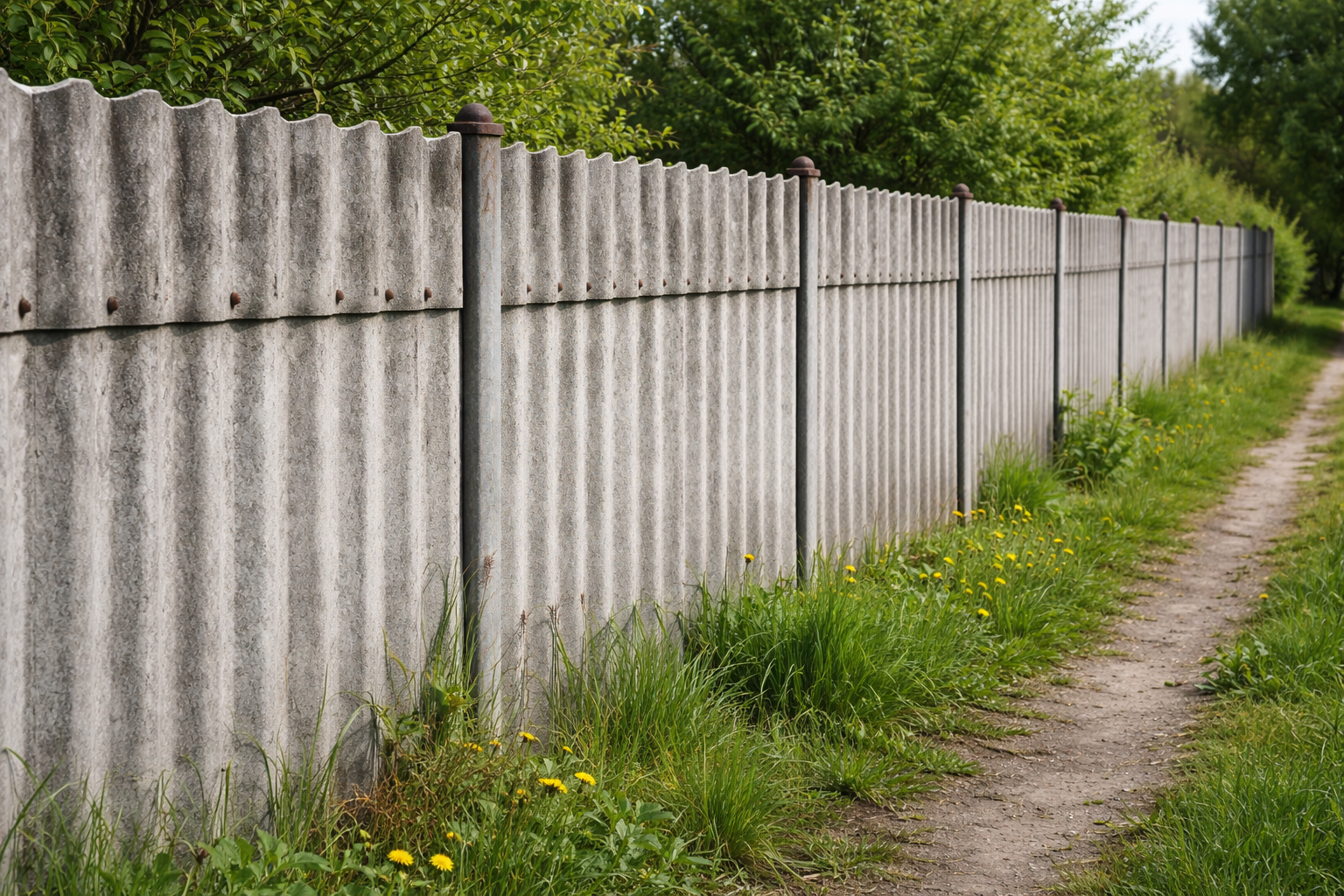
Most people don’t realise their fence contains asbestos until it starts falling apart. These fences are usually grey, heavy, and made from flat or corrugated cement panels. They don’t bend like metal fencing and they don’t rot like timber. Instead, they snap or crumble when damaged.
If your fence was installed before 1990 and looks like this, it’s best not to touch it. Trying to break a piece off to check can create more problems than it solves.
The Dangers of DIY Asbestos Fence Removal
Removing an asbestos fence yourself is risky. The panels are often more fragile than they look, especially near the base or along the edges. One wrong move can cause a sheet to crack, releasing dust into the air and surrounding area.
Normal masks and gloves aren’t enough protection. On top of that, asbestos waste can’t just be thrown away like normal rubbish. Incorrect handling or disposal can lead to contamination and fines.
Professional Asbestos Fence Removal Process
Professionals approach asbestos fence removal slowly and carefully. There’s no rushing it. Each step is planned to reduce disturbance and keep fibres contained from start to finish.
Pre-removal Preparations
Before anything is removed, the site is checked and secured. Access is restricted, warning signs are put up, and nearby areas are protected. This stage is important because it controls where dust can travel and who is exposed.
Safe Removal Techniques
During removal, the sheets are kept damp to limit dust. They’re lifted carefully and kept whole wherever possible. Power tools are avoided, and protective equipment is worn the entire time.
It’s a careful process, not a fast one — and that’s exactly how it should be.
Disposal and Clean-up Procedures
Once removed, the fencing is wrapped and sealed before being taken to an approved disposal facility. After that, the area is cleaned thoroughly to remove any leftover debris or residue. Final checks are done before the site is cleared for normal use again.
Choosing the Right Asbestos Fence Removal Service
Experience matters with asbestos. A reliable service will be properly licensed, clear about safety steps, and upfront about disposal. If a contractor makes it sound quick or easy, that’s usually a warning sign.
Conclusion – Ensuring Safety with Professional Asbestos Fence Removal
Old asbestos fencing isn’t something to ignore or take chances with. The risks may not be obvious straight away, but they’re real. Handling it properly protects not just you, but anyone living or working nearby.
If you’re planning to remove an old asbestos fence and replace it with a safer, modern option, it’s worth speaking with Stag Fencing. Their experience ensures asbestos fencing is dealt with responsibly, so you can move forward without unnecessary risk.