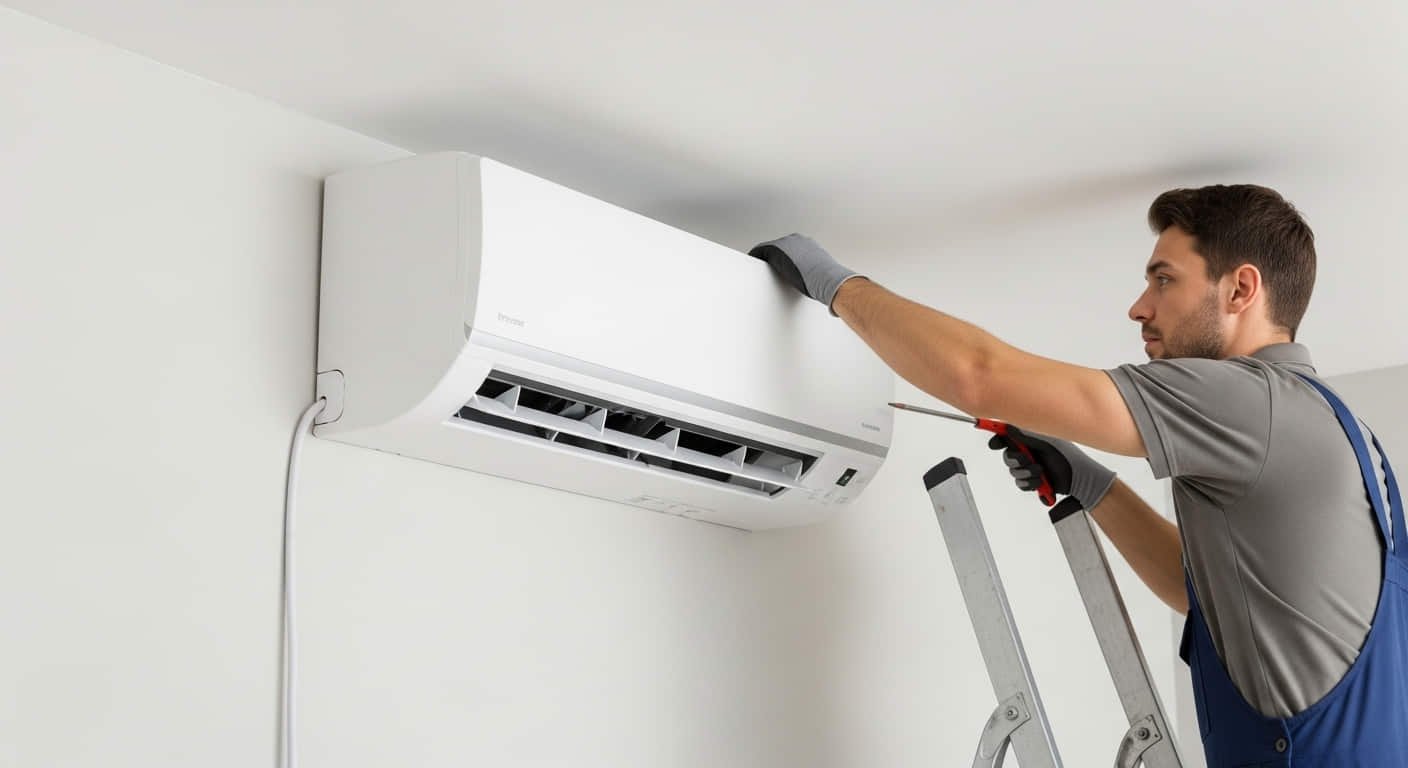
If you live in Australia and are thinking about adding a split system air-conditioner, you are not alone. Homeowners across the country choose split system installation to keep their homes comfortable during hot summer days and cooler winter evenings. While the idea sounds simple, a rushed or poorly planned split system installation can lead to high energy bills, noisy operation, or even costly repairs. In this guide we will walk through the five most common mistakes, explain why they matter in an Australian context, and give you practical steps to avoid them. By the end you will have a clear roadmap for a smooth, compliant, and long-lasting split system installation.
Why a Proper Split System Installation Matters in Australia
Australia’s climate varies from tropical north to temperate south, and each region has its own building codes, energy-efficiency standards, and typical home construction styles. A split system installation that follows local regulations not only keeps you safe but also ensures you qualify for government rebates, such as the Small-scale Renewable Energy Scheme (SRES) or state-based energy-efficiency incentives. Moreover, a correctly installed unit respects the unique Australian housing features – like brick walls, timber frames, and high-rise apartments – which affect where the indoor and outdoor units can be placed.
Common Mistakes and How to Avoid Them
1. Ignoring Local Building Codes and Permits
Every state and territory in Australia has specific rules for split system installation. In New South Wales, for example, the Building Code of Australia (BCA) requires a minimum clearance of 600 mm between the outdoor unit and any wall or fence. In Victoria, the Plumbing Regulations may mandate a licensed plumber to handle the refrigerant lines. Skipping the permit process can result in fines, forced removal, or insurance problems.
- Check the local council website for required permits.
- Hire a licensed installer who knows the state-specific regulations.
- Keep a copy of the approved plans and permit for future reference.
2. Poor Placement of the Indoor or Outdoor Unit
The location of both units affects performance, noise, and the lifespan of the system. In hot, humid areas like Queensland, placing the outdoor unit in direct sunlight can raise its operating temperature, reducing efficiency. In cooler southern states, a unit placed too close to a wall can cause condensation issues.
- Choose a shaded spot for the outdoor unit, preferably with at least 1 m of clearance on all sides.
- Install the indoor unit high on a wall to improve airflow and keep it out of children’s reach.
- Avoid installing near heat-generating appliances such as ovens or water heaters.
3. Using the Wrong Size or Capacity
A unit that is too small will run constantly, driving up electricity costs, while an oversized unit will short-cycle, leading to uneven cooling and increased wear. Australian homes often have high ceilings and large open-plan living areas, which means a simple “one-size-fits-all” approach rarely works.
- Conduct a proper load calculation (BTU or kW) that considers floor area, insulation, window size, and local climate.
- Ask the installer for a detailed sizing report before purchase.
- Look for units with a high Seasonal Energy Efficiency Ratio (SEER) – a key metric for Australian energy-efficiency standards.
4. Neglecting Proper Refrigerant Handling
Refrigerant is a regulated substance in Australia. Incorrect charging or leaks can damage the compressor and pose environmental hazards. The Australian Standard AS/NZS 3666 outlines safe handling procedures for refrigerants used in split system installation.
- Ensure the installer holds a valid Refrigerant Handling Licence.
- Insist on a pressure test after installation to confirm no leaks.
- Keep a record of the refrigerant type and charge amount for future servicing.
5. Skipping the Final Inspection and Commissioning
A split system installation is not complete until the unit is fully commissioned. This includes checking airflow, verifying temperature differentials, and confirming that the control system works as intended. Skipping this step can hide hidden problems that only appear months later.
- Schedule a post-installation inspection with a qualified technician.
- Ask for a commissioning report that includes temperature readings and noise levels.
- Keep the report for warranty claims and future maintenance.
Choosing the Right Installer for Your Australian Home
Finding a trustworthy professional is key to a successful split system installation. In Australia, installers must be licensed under the relevant state’s electrical or plumbing board. Look for companies that are members of the Air Conditioning, Heating & Refrigeration Institute (AHRI) and that have good reviews on local platforms such as ProductReview.com.au or Google My Business.
- Verify the licence number on the state regulator’s website.
- Ask for references from recent customers in your suburb.
- Check if the installer offers a written warranty covering both labour and the unit.
Maintenance Tips to Keep Your Split System Running Efficiently
Even the best split system installation will suffer if regular care is ignored. Australian homeowners should follow a simple maintenance schedule to avoid costly breakdowns and to stay compliant with warranty conditions.
- Clean or replace the indoor filters every 4-6 weeks during peak summer.
- Inspect the outdoor coil for debris, leaves, and dust after each season.
- Schedule a professional service at least once a year, preferably before the cooling season starts.
- Check the thermostat batteries and recalibrate if the room temperature seems off.
Questions and Answers: Common Questions About split system installation in Australia
Below are some of the most frequently asked questions by Australian homeowners. The answers are written in plain language to help you make informed decisions.
What permits are required for a split system installation in New South Wales?
You usually need a building permit from your local council and a compliance certificate for the electrical work. The outdoor unit must also meet the clear-space requirements set out in the Building Code of Australia. Your installer should handle the paperwork, but it’s wise to confirm before work begins.
Can I install a split system myself if I have a handyman?
In most Australian states, only a licensed electrician or plumber may perform the electrical and refrigerant connections. Doing it yourself without a licence can void the warranty and breach the law. It’s safer to hire a qualified professional.
How much does a typical split system installation cost in Melbourne?
Costs vary depending on the unit size, brand, and complexity of the installation. For a standard 2.5 kW unit, you can expect a total price between $1,200 and $2,000, including labour, permits, and basic commissioning. Always ask for a detailed quote that breaks down each component.
Are there any government rebates for split system installation in Queensland?
Yes, Queensland offers the Queensland Home Energy Boost, which provides a rebate for high-efficiency split systems that meet the minimum SEER rating. You must keep the installation certificate and energy-efficiency label to claim the rebate within 12 months of installation.
What is the best time of year to install a split system in Australia?
Spring and early autumn are ideal because the weather is mild, making it easier for the installer to test the system in both cooling and heating modes. Installing during extreme heat or cold can delay commissioning and increase the risk of errors.
Conclusion: Your Path to a Successful split system installation in Australia
A well-planned split system installation can bring comfort, lower energy bills, and increased property value to any Australian home. By avoiding the five common mistakes—ignoring permits, poor placement, wrong sizing, improper refrigerant handling, and skipping commissioning—you set the stage for a reliable and efficient system. Choose a licensed local installer, follow the state-specific regulations, and keep up with regular maintenance. With these steps, your split system will serve you well for years to come, keeping your home comfortable no matter the Australian climate.