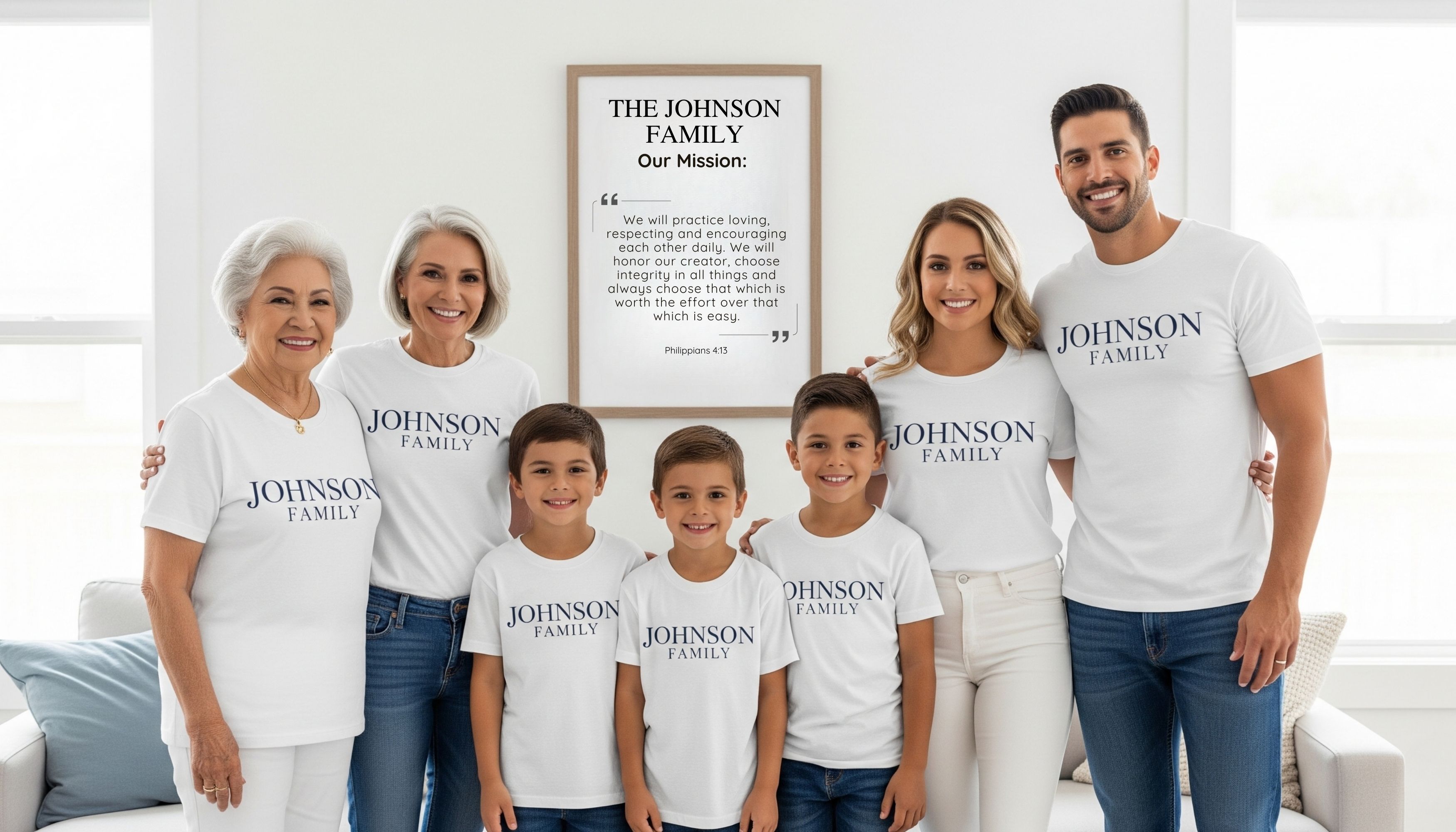
Every strong organization runs on clarity, structure, and shared values. Families are no different. Without direction, even the most loving homes can drift into reactive routines instead of intentional growth. That’s where a purpose-driven system becomes powerful.
Creating My Family Hand Book is not about controlling your household. It is about defining who you are, what you stand for, and how you want to grow together. A clear handbook turns ideas into action and goals into daily practice.
1: Define Your Family Vision
Begin with the big picture. Ask yourself what kind of family you want to become in five, ten, or twenty years. Think beyond daily routines and focus on character, relationships, and long-term impact.
Write a simple vision statement that reflects unity, growth, and shared purpose. This becomes the foundation of your handbook and guides every decision moving forward.
2: Clarify Core Values
Values shape behavior. Without defined values, rules feel random and discipline feels inconsistent. Sit together and identify principles that matter most, such as honesty, respect, responsibility, faith, or kindness.
Document these values clearly inside My Family Hand Book When values are written and visible, they transform from abstract ideas into living standards.
3: Establish Family Goals
Once vision and values are clear, turn them into measurable goals. These might include improving communication, strengthening financial discipline, encouraging academic excellence, or spending more quality time together.
Break long-term goals into smaller milestones. This helps every family member see progress and stay motivated throughout the journey.
4: Define Roles and Responsibilities
Purpose thrives on structure. Clarify responsibilities for parents and children alike. Age-appropriate roles teach accountability and build confidence.
When responsibilities are documented in your handbook, expectations become clear. This reduces misunderstandings and promotes cooperation within the home.
5: Create Daily and Weekly Rituals
Traditions bring stability. Decide on consistent practices that reflect your values, such as weekly family meetings, shared meals, gratitude moments, or monthly goal reviews.
These rituals should not feel forced. Instead, they should reinforce connection and provide opportunities for open communication and reflection.
6: Develop Guidelines for Communication
Healthy communication prevents small issues from becoming major conflicts. Outline simple guidelines such as listening without interruption, speaking respectfully, and resolving disagreements calmly.
Including these principles in My Family Hand Book creates a shared understanding of how conversations should happen, especially during stressful moments.
7: Plan for Challenges
No family is free from difficulties. Preparing for challenges strengthens resilience. Discuss how your family will handle setbacks, conflicts, or unexpected changes.
A purpose-driven handbook should include strategies for problem-solving and emotional support. When challenges arise, you already have a framework to rely on.
8: Encourage Personal Growth
A strong family supports individual development. Create space within the handbook to outline personal goals for each member. This shows that unity and individuality can coexist.
Encourage skill development, hobbies, education, and character building. When growth is supported intentionally, confidence naturally increases.
9: Review and Adjust Regularly
A handbook is not a static document. Families evolve, children grow, and circumstances change. Schedule regular check-ins to review what is working and what needs adjustment.
Updating My Family Hand Book keeps it relevant and meaningful. It ensures that your system grows alongside your family.
10: Lead by Example
The success of any family system depends on leadership. Parents must model the values and behaviors they expect from their children. Consistency builds trust and credibility.
When leadership aligns with written principles, children learn integrity through observation. The handbook becomes more than words on paper — it becomes a lived experience.
Conclusio
Building a purpose-driven family handbook is an intentional step toward clarity, unity, and growth. It transforms scattered goals into structured action and replaces reactive living with thoughtful leadership.
My Family Hand Book serves as a guiding document that reflects your beliefs, strengthens relationships, and prepares your children for confident, value-driven lives. When purpose is written, practiced, and revisited regularly, it becomes the foundation of a thriving family culture.