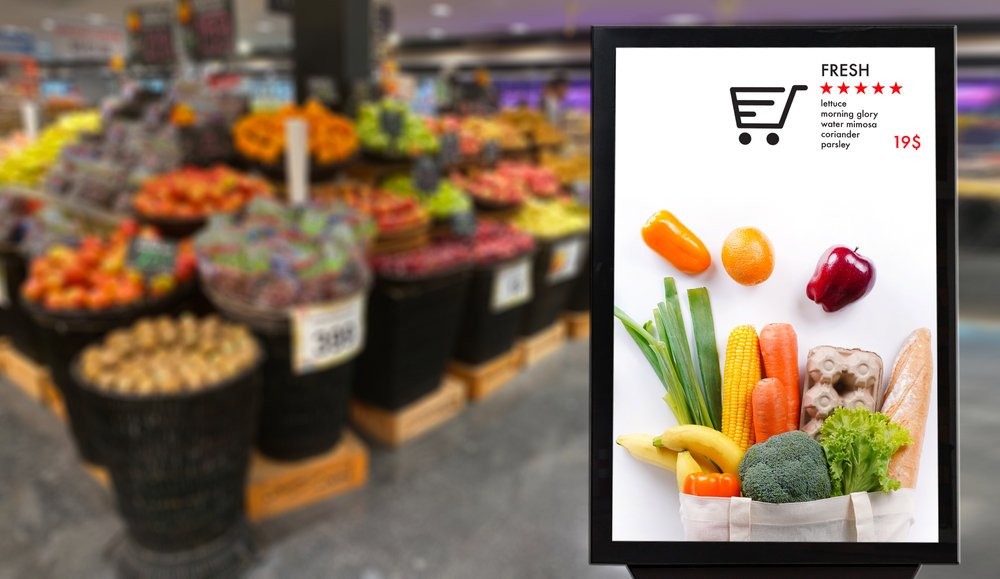
Digital signage is becoming a key tool for retailers, hospitality venues, schools and public transport hubs across Australia. It lets you share promotions, news, safety alerts and community events on screens that capture attention instantly. Choosing the right software platform can feel overwhelming, especially when you need to meet local regulations, support Australian time zones and connect with local content providers. This guide walks you through the top ten software platforms for digital signage in Australia, highlights the features you should look for, and offers practical tips for a smooth rollout.
What Makes a Good Digital Signage Platform for Australia?
Before diving into the list, it helps to understand the criteria that matter most for Australian users. The following factors are essential for a reliable, compliant and cost‑effective digital signage solution.
Key Evaluation Criteria
- Cloud vs. On‑Premise: Cloud‑based platforms reduce hardware maintenance, while on‑premise options give you full control over data storage – a consideration for organisations that handle sensitive information.
- Content Scheduling Flexibility: Ability to schedule content by state, city or even specific venues helps you respect local holidays and events.
- Multi‑Screen Support: Look for software that can drive dozens or hundreds of screens from a single dashboard.
- Compliance with Australian Regulations: The platform should support content rating, privacy standards (Australian Privacy Principles) and emergency broadcast requirements.
- Integration with Local Providers: Seamless connection to Australian stock image libraries, weather services and traffic feeds adds relevance.
- Pricing in Australian Dollars: Transparent pricing with no hidden conversion fees makes budgeting easier.
Top 10 Digital Signage Software Platforms in Australia
Below are the ten platforms that consistently receive high marks from Australian businesses and agencies. Each entry includes a brief overview, standout features and why it fits the Australian market.
1. SignagePro
SignagePro offers a cloud‑first approach with a drag‑and‑drop editor that works on any browser. It supports Australian time zones out of the box and integrates with local weather services such as BOM (Bureau of Meteorology). The platform also includes a built‑in compliance checker that flags content that may breach the Australian Advertising Standards.
2. ScreenCloud
ScreenCloud is popular among small‑to‑medium retailers. It provides a simple pricing model in AUD and a library of Australian‑sourced templates. Users can schedule content based on state holidays, ensuring promotions align with local shopping patterns.
3. BrightSign Cloud
BrightSign Cloud pairs with BrightSign hardware but also works with third‑party players. Its robust scheduling engine lets you push emergency alerts to all screens in a specific region, a feature that aligns with Australian emergency broadcast protocols.
4. Navori QL
Navori QL is known for high‑performance playback and advanced scripting. Australian users appreciate its ability to embed live feeds from local news outlets and the option to host content on Australian data centres for faster load times.
5. Scala
Scala offers a powerful content management system with strong analytics. The platform supports integration with Australian loyalty programs and can pull data from POS systems to display real‑time sales figures on store windows.
6. Yodeck
Yodeck is a budget‑friendly option that runs on Raspberry Pi hardware. It includes a built‑in scheduler for Australian public holidays and a simple API that lets developers connect to local ticketing systems for event venues.
7. Novisign
Novisign’s cloud dashboard is intuitive and offers a large collection of Australian‑themed graphics. The platform also provides a “Geo‑Targeting” feature that shows different content based on the viewer’s state or postcode.
8. OnSign TV
OnSign TV supports both Android and iOS devices, making it a good fit for mobile kiosks in Australian malls. Its built‑in analytics track foot traffic and can be linked to local Wi‑Fi analytics for deeper insights.
9. Mvix
Mvix focuses on enterprise‑level security and compliance. It offers role‑based access control that helps organisations meet the Australian Privacy Principles when handling personal data on digital signage.
10. Xibo
Xibo is an open‑source solution that can be hosted on Australian servers. It gives full control over the code, which is useful for government agencies that need to customise the platform to meet strict security standards.
Local Considerations for Digital Signage in Australia
Even the best software can fall short if you overlook local nuances. Below are the most important Australian‑specific factors to keep in mind when planning a digital signage network.
Regulatory Landscape
- Advertising Standards: The Australian Association of National Advertisers (AANA) sets rules on content accuracy, language and health claims. Your platform should allow you to review and approve each piece before it goes live.
- Privacy Laws: The Australian Privacy Principles (APPs) require you to protect any personal data collected via interactive signage. Choose a platform that offers secure data storage and clear consent mechanisms.
- Emergency Broadcasts: In many states, digital signage must be able to display emergency warnings (e.g., bushfire alerts) instantly. Look for platforms that support real‑time override feeds.
Australian Content Sources
- Local stock photo agencies such as Stocksy Australia and Getty Images Australia provide culturally relevant images.
- Weather data from the Bureau of Meteorology can be displayed in real time.
- Australian news feeds (ABC News, SBS) can be embedded for community updates.
Cultural Nuances
Australians value authenticity and humour. Content that references local slang, sports teams (AFL, NRL) or national holidays (Australia Day, ANZAC Day) tends to perform better. Also, consider the diverse multicultural makeup of cities like Sydney and Melbourne—providing bilingual signage in areas with high non‑English speaking populations can boost engagement.
Provider Landscape
Many Australian IT firms specialise in installing and maintaining digital signage hardware. Partnering with a local provider can simplify warranty claims, ensure compliance with Australian electrical standards (AS/NZS 3000) and provide faster on‑site support.
Questions and Answers: Common Questions About digital signage in Australia
Below are the most frequently asked questions from Australian businesses and public organisations. Each answer is concise and tailored to the Australian context.
1. Do I need a licence to display digital signage in public spaces in Australia? In most states, you do not need a separate licence for the signage itself, but you must comply with local council regulations regarding screen size, placement and brightness. Some councils require a permit for large outdoor screens, especially if they are in a heritage or residential area.
2. How can I make sure my digital signage meets Australian privacy laws? If your signage collects personal information (e.g., via QR codes or touch screens), you must follow the Australian Privacy Principles. Choose a platform that stores data on Australian servers, provides clear consent prompts and allows you to delete user data on request.
3. What are the best ways to schedule content for Australian holidays? Select a platform that supports custom holiday calendars. You can upload a CSV file with dates for each state and territory, then assign specific playlists to those dates. This ensures your promotions align with regional events such as Queensland’s “River Festival” or Western Australia’s “Perth Festival.”
4. Can digital signage be used for emergency alerts in Australia? Yes. Many platforms offer an emergency override feature that instantly pushes alerts from government feeds (e.g., the Australian Emergency Alert System). Make sure the software you choose can receive and display these alerts without delay.
5. How do I measure the effectiveness of my digital signage campaigns? Look for built‑in analytics that track impressions, dwell time and interaction rates. In Australia, you can also integrate foot‑traffic data from Wi‑Fi analytics or use QR code scans to gauge audience response. Combining these metrics with sales data gives a clear picture of ROI.
Conclusion: Your Path to a Successful digital signage in Australia
Digital signage offers Australian businesses a dynamic way to communicate with customers, share real‑time information and strengthen brand presence. By focusing on platforms that support local time zones, comply with Australian advertising and privacy rules, and integrate with Australian content providers, you can build a network that feels native to the market. Start by evaluating the ten platforms listed above, match their features to your specific needs, and partner with a local installer to ensure smooth deployment. With the right software and a clear understanding of local regulations, your digital signage will engage audiences, drive sales and keep communities informed across Australia.