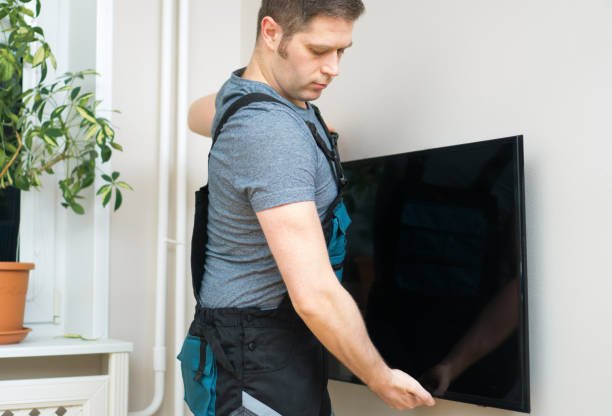
A few weeks ago, a neighbor of mine spent an entire Saturday trying to hang a 65-inch television. He had a drill, a level, and a YouTube tutorial. By evening he had four extra holes in the drywall, a bracket that sat slightly crooked, and a TV leaning against the sofa. The next morning he called a professional. The job took under an hour.
His story is common. Buyers today are far less likely to treat wall mounting as a weekend DIY project. They would rather hand it to someone who does it every day. Here is why that shift is happening.
TVs Have Changed, and So Have Expectations
Ten years ago, most people bought a TV, set it on a stand, and moved on. Today’s screens are bigger, thinner, and much more expensive. A 75-inch OLED can cost as much as a used car payment stack, and nobody wants to gamble on a few wall anchors. Get professional TV Mounting Service with Insta Service for a seamless and secure installation experience.
Modern TVs also look best when they are mounted. A slim panel on a wall looks like a piece of the room instead of a box taking up floor space. Buyers see this in showrooms, on social media, and in friends’ homes, and they want the same result. But a clean, level, flush finish takes more skill than most people expect.
Walls Are Not All the Same
This is the part most first-timers underestimate. A wall is not just a flat surface. Behind the paint there might be wood studs, metal studs, brick, concrete, plaster, or hollow drywall. Each one needs a different fastening method.
- Wood studs are the easiest, but finding the center of the stud still matters.
- Metal studs need special anchors, and standard screws can strip right out.
- Brick and concrete call for masonry bits and the right plugs.
- Plaster walls, common in older homes, can crack if drilled the wrong way.
A professional reads the wall before touching a drill. That one habit prevents most of the disasters people post about online.
Safety Is the Quiet Reason Behind Most Calls
Nobody likes to think about a TV falling off a wall, but it happens. Falling televisions injure thousands of people every year, and children are most at risk. Even a mid-size screen is heavy and awkward, and it can do real damage in a second.
Parents, pet owners, and renters with security deposits are the most careful buyers. They know a secure mount isn’t just about looks. A trained installer checks the weight rating of the bracket, confirms the load is spread across solid anchor points, and tests the setup before leaving. That peace of mind is hard to get from a rushed afternoon of guesswork.
The Cable Problem Nobody Warns You About
Here is a small confession. Plenty of people mount their TV beautifully and then ruin the look with a black cable dangling down the wall. It is the first thing guests notice.
Experts hide those wires. They can route cables inside the wall using in-wall kits that meet building safety standards, or they can use neat raceways that blend into the paint. The result is a clean line from the screen to the floor. It is a small detail, but it separates a “pretty good” setup from one that looks like a magazine photo.
Your Time Has a Price
Let’s be honest about the hidden costs of doing it yourself. You need a stud finder, a level, the right drill bits, and possibly a second person to lift the TV. If you don’t own those tools, you buy or borrow them. Then there is the time spent researching, measuring, and fixing mistakes.
Busy professionals and families increasingly see it this way: a few hours of their weekend is worth more than the installation fee. Paying for a skilled technician is not laziness. It is a practical trade of money for time and certainty.
DIY vs. Professional: A Quick Comparison
| Factor | DIY Installation | Expert Installation |
|---|---|---|
| Time needed | 3–5 hours on average | Usually 45–90 minutes |
| Tools required | Must buy or borrow | Fully provided |
| Wall-type knowledge | Often guesswork | Assessed on the spot |
| Cable hiding | Basic at best | Clean, concealed finish |
| Risk of damage | Higher | Much lower |
| Weight and safety check | Easy to overlook | Standard part of the job |
| Fixing mistakes | Your cost and effort | Usually covered by the installer |
| Final look | Varies | Level, flush, polished |
The table shows why the cheapest route on paper is not always the cheapest in practice. One misplaced hole or a cracked screen can erase any savings.
What to Look for in a Good Installer
Not every provider is equal, so a little checking goes a long way. A dependable TV Mounting Service should be clear about pricing before the visit, not after. Look for these signs:
- Transparent quotes. You should know what is included, such as the bracket, cable concealment, and cleanup.
- Experience with different walls. Ask whether they handle brick, concrete, and drywall.
- Real reviews. Recent customer feedback tells you more than any slogan.
- Insurance or a workmanship guarantee. This protects you if something goes wrong.
- Good communication. They should confirm timing and arrive when promised.
Local companies such as Insta Service have built their reputation on these basics, which is exactly what buyers are asking for today: show up on time, do clean work, and explain things plainly.
Smart Homes Make It Even More Important
Home setups have grown beyond a single TV. People now add soundbars, streaming boxes, gaming consoles, and smart-home hubs. A professional looks at the whole picture. They think about where the soundbar will sit, how to keep devices ventilated, and where to place power outlets so nothing looks cluttered.
They also help with viewing angle. The ideal height puts the center of the screen roughly at eye level when you are seated. Many people mount too high, over a fireplace for example, and end up with a stiff neck during every movie. A good installer will point that out before drilling anything.
Final Thoughts
Buyers are not avoiding DIY because they cannot use a drill. They are avoiding it because the stakes are higher than they used to be. The screens cost more, the walls are trickier, and the safety concerns are real. Add in the time saved and the cleaner result, and calling an expert is simply a smart decision.
If you are planning a new setup, think of the installation as part of the TV purchase itself. A great picture deserves a great position, and getting it right the first time is worth every penny. Providers like Insta Service make that easy by handling the details so you can enjoy the screen instead of fighting with it.
Frequently Asked Questions
1. How long does a typical installation take?
Most standard jobs take 45 to 90 minutes. Brick walls, hidden wiring, or multiple devices can add time.
2. Can I use the bracket that came with my TV?
Sometimes, but many TVs ship without one. Always check that the bracket matches your screen size, VESA pattern, and weight rating.
3. Is it safe to mount a TV over a fireplace?
It can be, but heat and viewing height are concerns. Ask the installer to check wall temperature and suggest a better position if needed.
4. Will mounting damage my wall?
Mounting leaves small holes, but a skilled installer keeps them minimal and positions them so they are easy to patch if you ever remove the TV.
5. How high should I place my TV?
As a rule, the center of the screen should sit near eye level when you are seated, usually 40 to 48 inches from the floor.
6. Can cables be hidden without cutting into the wall?
Yes. Surface raceways painted to match the wall are a neat option when in-wall routing is not possible.
Tags : TV Mounting Service