What Is the Cost of Living in Melbourne for Students?
Melbourne is one of Australia's leading student cities, with major universities, a well-connected public transport network and a diverse food and cultural scene. The cost of living in Melbourne for students is generally around AU$1,500 to AU$4,000 per month, depending on rent, location and lifestyle. This guide breaks down the main student expenses and explains how to budget for life in Melbourne.
Cost of Living in Melbourne for Students Overview
The estimated cost of living in Melbourne for students is around AU$1,500 to AU$4,000 per week, including rent and everyday expenses. Students who share accommodation and cook at home can spend less, while those renting private studios or eating out frequently may need a higher budget. RMIT estimates annual living expenses in Melbourne at around AU$30,000 to AU$45,000, depending on individual circumstances. The table below provides a practical weekly budget for students in Melbourne.
Expense | Estimated weekly cost |
Accommodation | AU$220 to AU$600 |
Utilities | AU$10 to AU$40 |
Food and groceries | AU$100 to AU$200 |
Public transport | AU$30 to AU$60 |
Entertainment and social activities | AU$30 to AU$100 |
Study supplies | AU$10 to AU$30 |
Phone and internet | AU$15 to AU$30 |
Indicative total | AU$415 to AU$1,060 |
Accommodation Costs in Melbourne
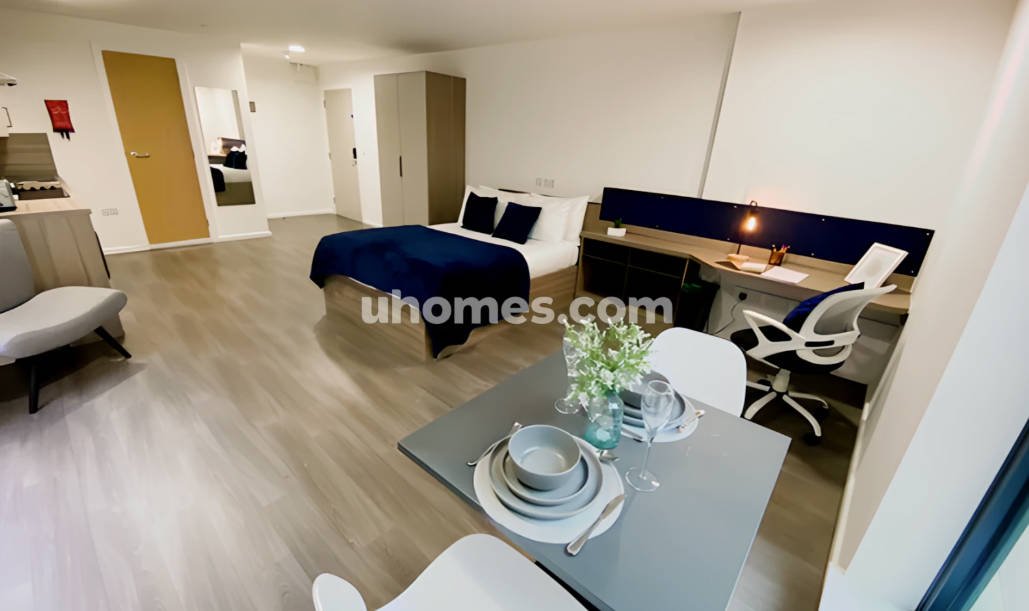
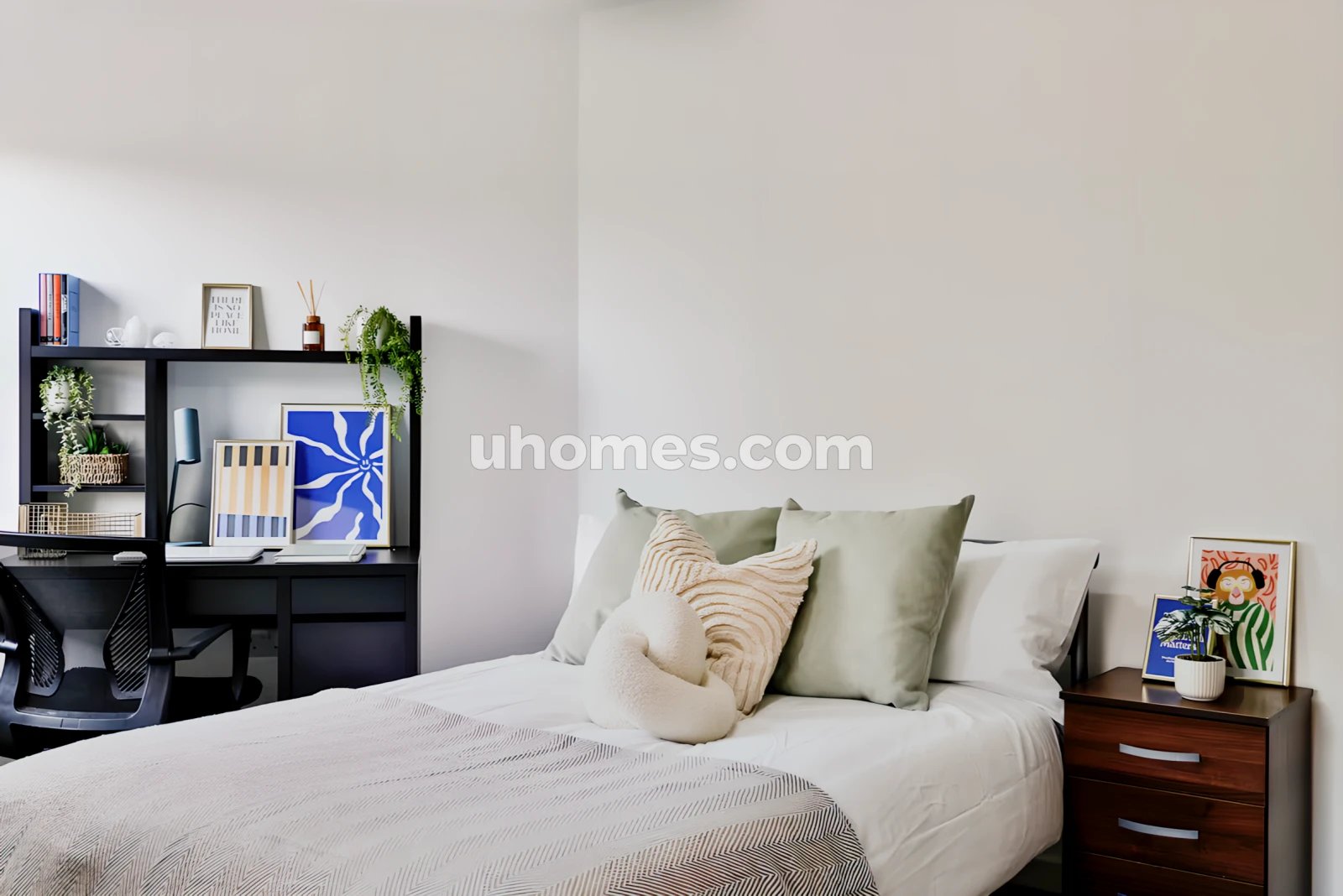
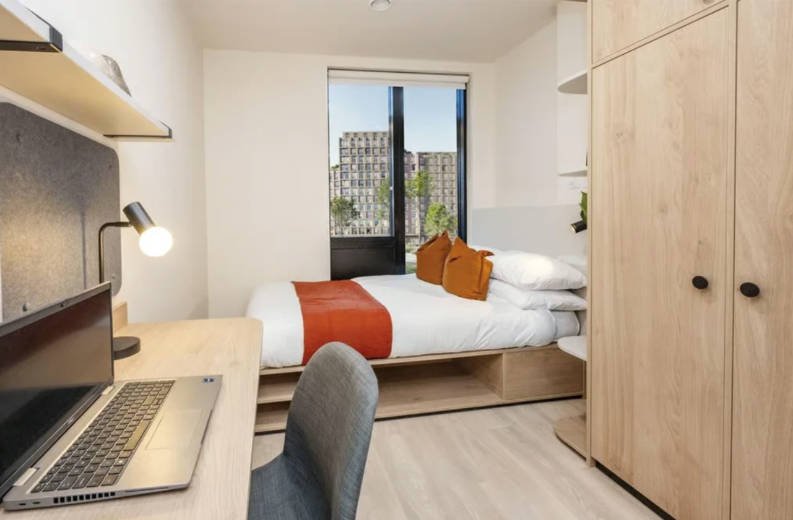
Student accommodation in Melbourne can cost around AU$220 to AU$600 per week, depending on the room type, suburb, facilities and tenancy length. Sharing a house or apartment is often more affordable than renting a private studio. University residences and purpose-built student accommodation may cost more, but furnished rooms and all-inclusive bills can make budgeting easier. Typical accommodation costs in Melbourne are shown below.
Accommodation type | Estimated weekly cost | What to consider |
Shared house or apartment | AU$220 to AU$400 per person | Rent and bills may be shared between housemates |
Purpose-built student accommodation | AU$250 to AU$600 or more | Often furnished, with shared facilities and possible bill inclusions |
Private studio | AU$350 to AU$600 or more | More privacy, but usually higher rent |
University-managed residence | Varies by university and room type | Check whether utilities, meals and other services are included |
Location is another important factor for Melbourne rent. Students at the University of Melbourne often consider Carlton and Parkville because they are close to the campus and offer a range of private University of Melbourne student accommodation options. Students at RMIT's City campus may look at Melbourne CBD, Carlton and nearby inner-city suburbs to reduce commuting time. Areas farther from the CBD may offer more affordable shared rentals, but students should compare rent with transport fares and travel time before deciding.
When comparing accommodation, look beyond the listed weekly rent. Check the lease length, bond, advance rent, furniture, internet and utility charges. A room with a slightly higher rent may offer better value if bills are included and the property is close to your university.
Where to Find Affordable Melbourne Student Accommodation?
uhomes.com is a useful option to compare cheap student accommodation in Melbourne, by allowing direct sorting by lowest price or by setting a clear weekly price range. Detailed property information including photos, floor plans, distance to campus and included facilities makes it simple to identify options that match a specific budget based on your needs. Students can quickly narrow the list to shared rooms, en-suites or studios that fit their financial limits without wasting time on unsuitable listings.
The platform also provides one-to-one professional consultants who guide students toward suitable housing within your budget and support a smooth booking process from start to finish. uhomes.com offers strong price advantages through a wide selection of affordable Melbourne student apartments, a price-match guarantee that ensures competitive prices, and exclusive offers plus various discounts that further reduce overall costs. With these features uhomes.com makes it easier for students to secure quality accommodation that keeps living expenses under control.

Utilities Costs in Melbourne
Utilities can cost around AU$10 to AU$40 per person per week in shared housing in Melbourne, although some purpose-built student accommodation includes them in the rent. Electricity, gas, water and internet costs depend on the property, season and number of people sharing the bills.
Utility | Estimated weekly cost per person | Notes |
Electricity and gas | AU$10 to AU$25 | Costs may rise when heating is used more often in winter |
Water | Depends on the rental agreement | Check the lease and applicable charges |
Internet | AU$15 to AU$20 | Sharing a connection can reduce individual costs |
Mobile phone plan | AU$10 to AU$25 | Depends on data allowance and provider |
These Melbourne utility costs are budgeting estimates, not standard charges. Melbourne winters can increase energy use, particularly in older rental properties with limited insulation. Before signing a lease, ask whether the property has heating and cooling, how utility bills are calculated and whether internet is already connected. In shared houses, agree in advance how bills will be divided to avoid unexpected expenses.
Food and Groceries Costs in Melbourne
Students in Melbourne should budget around AU$100 to AU$200 per week for food and groceries, depending on cooking habits, dietary needs and how often they eat out. RMIT's published student budget uses AU$150 to AU$250 per week for food and eating out, so students who regularly buy meals should plan for additional spending.
Food expense | Estimated weekly cost |
Groceries for home cooking | AU$70 to AU$130 |
Coffee and snacks | AU$10 to AU$25 |
Takeaway and eating out | AU$20 to AU$60 |
Typical budget | AU$100 to AU$200 |
Melbourne has large supermarkets, independent grocers and fresh food markets across the inner suburbs. Students living near Queen Victoria Market, South Melbourne Market or local shopping strips can find places to buy fresh produce, although prices vary by product and season. Aldi, Coles and Woolworths are useful options for comparing supermarket prices.
Cooking at home is generally the easiest way to control food costs. Plan meals for the week, take lunch to campus and compare grocery prices when shopping. Students sharing a kitchen can also split the cost of pantry staples such as rice, pasta and cooking oil. If you regularly buy coffee or lunch near campus, setting a weekly limit can prevent small daily purchases from adding up.
Transport Costs in Melbourne
Students should budget around AU$30 to AU$60 per week for public transport in Melbourne, depending on their travel patterns and eligibility for concessions. The city has trains, trams and buses connecting the CBD with university campuses and surrounding suburbs. Students who live close enough to walk or cycle may spend less.
Transport expense | Estimated weekly cost | Notes |
Train, tram and bus travel | AU$30 to AU$60 | Depends on travel frequency and fare eligibility |
Walking or cycling | Low ongoing cost | Practical for students living near campus |
Occasional taxi or rideshare | Additional cost | Best treated as a separate allowance |
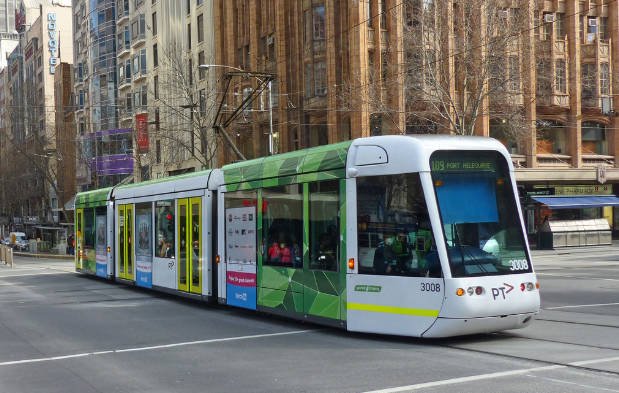
Living closer to campus is one of the easiest ways to keep transport costs down. Students near the University of Melbourne Parkville campus or RMIT City campus can often walk or take short tram rides, while those farther out will spend more on regular fares. The Free Tram Zone in central Melbourne can reduce costs for some CBD journeys, but travel beyond the zone requires a valid ticket. Fare rules and student concessions can change, so always check the latest information from Public Transport Victoria. International students should confirm whether they qualify for concession fares, as eligibility is not automatic.

Entertainment Costs in Melbourne
Entertainment cost for students in Melbourne is around AU$30 to AU$100 per week, depending on how often they go out, attend events or pay for hobbies. Students can enjoy Melbourne's cultural and social life without spending heavily every week. Melbourne offers many low-cost activities, including walks along the Yarra River, visits to public gardens and free events around Federation Square. Students can also look for university club activities, campus events and discounted student tickets. The actual cost depends on the activity and any concession available.
Gym memberships, live music, festivals and regular restaurant visits can increase weekly spending. Rather than cutting out social activities altogether, set a weekly leisure budget and alternate paid outings with free activities. This allows you to enjoy the city while keeping your living costs under control.
Entertainment expense | Estimated weekly cost |
Cinema, events and paid activities | AU$10 to AU$40 |
Cafes and social outings | AU$10 to AU$40 |
Sports, fitness and hobbies | AU$0 to AU$30 |
Typical budget | AU$30 to AU$100 |
Study Costs in Melbourne
Students should allow around AU$10 to AU$30 per week for routine study supplies, although course-specific expenses can be much higher. Textbooks, software, printing and specialist equipment vary by university and subject. Students studying design, engineering, health sciences or other practical courses may need a separate allowance for equipment and materials.
Study expense | Budget guidance |
Textbooks and readings | Check university library access before buying |
Stationery and printing | Set aside a small weekly allowance |
Software and digital tools | Confirm which tools are required for your course |
Specialist equipment | Budget separately if your course requires it |
Excursions and practical classes | Check course information for additional charges |
Before the semester starts, review your course reading list and equipment requirements. University libraries may provide access to digital readings and textbooks, while second-hand books can be a cheaper alternative to new copies. Avoid buying expensive equipment until your course confirms the specifications you need.
This weekly allowance covers routine study supplies only. It does not include tuition fees, the Student Services and Amenities Fee or Overseas Student Health Cover. International students should include these larger expenses in their annual study budget rather than treating them as everyday living costs.
How to Save on the Cost of Living in Melbourne?
Students can reduce the cost of living in Melbourne by managing rent, choosing a convenient location and planning regular expenses. Accommodation usually has the greatest impact on the total budget, so small savings on weekly rent can make a significant difference over a semester.
- Compare and book accommodation early. Book in advance to compare room types, weekly rent and tenancy lengths. Check whether electricity, water, heating and Wi-Fi are included before choosing a property.
- Consider shared accommodation. Sharing a house or apartment can reduce rent and allow housemates to split utility and internet bills.
- Choose a convenient location. Compare rent in Carlton, Parkville, the CBD and nearby suburbs against your university commute. A cheaper room farther away may cost more in transport and travel time.
- Cook at home. Plan weekly meals, prepare lunches and compare grocery prices at Aldi, Coles and Woolworths to reduce spending on takeaway and eating out.
- Use public transport wisely. Check current Myki fares, concession eligibility and available travel passes. Walk or cycle for short trips when practical.
- Take advantage of free activities. Explore Melbourne's public gardens, free events, university clubs and campus facilities instead of paying for entertainment every time you go out.
- Buy second-hand study materials. Check university library resources and look for used textbooks before buying new copies. Confirm which books and equipment your course actually requires.
- Track your weekly spending. Set a budget for rent, food, transport and entertainment, then review your expenses regularly to identify where you can save.
- Compare student accommodation offers. uhomes.com can help students compare Melbourne properties by price, room type, location and included bills. Check available exclusive offers and group booking discounts to see whether they can reduce your overall accommodation costs.
- Prepare for upfront expenses. Set aside money for the rental bond, advance rent, moving costs and household essentials before arriving in Melbourne.
Final Thoughts
The cost of living in Melbourne for students is generally around AU$1,500 to AU$4,000 per month, including accommodation, although actual spending depends on rent, transport and lifestyle. Choosing a suitable suburb, comparing bill inclusions and preparing meals at home can help keep costs manageable. Accommodation deserves particular attention because it is usually the largest regular expense. Comparing available rooms, checking weekly prices and reviewing property details before booking can help students find a place that fits both their budget and university location.