Pharmaceutical Drug Delivery Market Forecasted to Leap from $1,533.3 Billion in 2025 to $2,298.8 Billion by 2034 at a 4.46% CAGR
By Joey Moore 22-10-2026 4
Market Overview
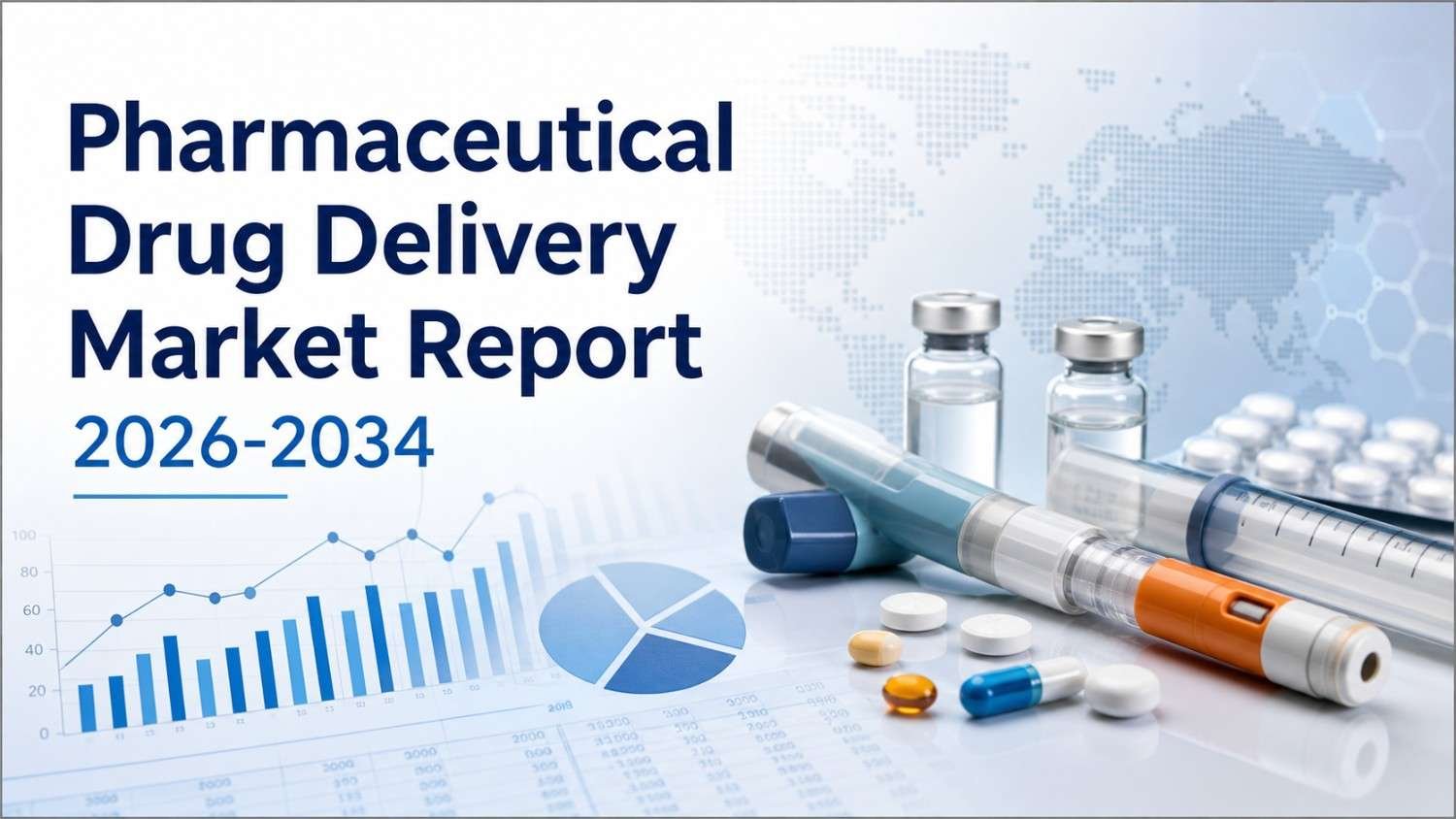
According to IMARC Group's latest research publication, "Pharmaceutical Drug Delivery Market Size, Share, Trends, and Forecast by Route of Administration, Application, End User, and Region, 2026-2034", the global pharmaceutical drug delivery market size was valued at USD 1,533.3 Billion in 2025. Looking forward, IMARC Group estimates the market to reach USD 2,298.8 Billion by 2034, exhibiting a CAGR of 4.46% during 2026-2034, with the industry experiencing strong growth momentum. North America currently dominates the market, holding a share of 42.6%, supported by advanced healthcare infrastructure, robust pharmaceutical R&D investment, and a strong regulatory framework that fosters innovation while ensuring patient safety.
This detailed analysis primarily encompasses industry size, business trends, market share, key growth factors, and regional forecasts. The report offers a comprehensive overview and integrates research findings, market assessments, and data from different sources. It also includes pivotal market dynamics like drivers and challenges, while also highlighting growth opportunities, financial insights, technological improvements, emerging trends, and innovations. Besides this, the report provides regional market evaluation, along with a competitive landscape analysis.
How Targeted Therapies and Nanotechnology are Reshaping the Future of the Pharmaceutical Drug Delivery Market
Traditional systemic drug administration is associated with off-target effects and adverse reactions, which accelerates the need for targeted therapies and drug delivery systems.
The growing prevalence of various life-threatening infections has forced manufacturers to introduce effective drug-delivery devices and techniques.
Ongoing technological advancements in drug delivery devices and techniques are making them more patient-friendly, accessible, and accurate.
The increasing adoption of biologics, including monoclonal antibodies and gene therapies, is driving demand for advanced drug delivery systems capable of accommodating specific formulation and stability requirements.
Continual advancements in nanotechnology, 3D printing, and precision medicine are increasing bioavailability and supporting greater patient compliance.
Key Trends in the Pharmaceutical Drug Delivery Market
Rising Demand for Targeted Therapies: The escalating demand for targeted therapies is one of the key growth drivers in the pharmaceutical drug delivery market. Off-target effects and adverse reactions are usually associated with traditional systemic drug administration, which further accelerates the need for targeted therapies and drug deliveries. Moreover, the growing prevalence of various life-threatening infections, such as COVID-19, has also forced manufacturers to introduce effective drug-delivery devices and techniques. This is anticipated to significantly contribute to the pharmaceutical drug delivery market growth in the coming years. For instance, in February 2022, Glenmark Pharmaceuticals Limited launched a nitric oxide nasal spray called FabiSpray in India for the treatment of adult patients with COVID-19 who had a high risk of progression of the disease. Driven by the strong sales growth of FabiSpray in India along with several other factors, the pharmaceutical company reported a 10.1% increase in consolidated net profit to approximately USD 31.3 Million, alongside a 7.5% rise in net sales to around USD 380 Million. Besides this, the article published by Frontiers mentioned that it is necessary to develop appropriate delivery systems and complete therapy strategies according to the nature of drugs in treating diabetes mellitus. As per the source, drug-delivery devices have shown significant potential in various aspects of diabetes treatment. They enhance the stability of drugs, overcome biological barriers to increase bioavailability, and act as a smart, automated system to mimic natural insulin delivery, reducing the risk of hypoglycemia.
Rapid Technological Advancements: Ongoing technological advancements in drug delivery devices and techniques to make them more patient-friendly, accessible, and accurate are further catalyzing the growth of the global pharmaceutical drug delivery market. In addition to this, various key market players are extensively investing in the development and innovation of advanced drug-delivery devices. For instance, in May 2021, Phillips-Medisize launched its Aria Smart Autoinjector platform, which unlocked innovation, differentiation, and sustainability in the pharmaceutical industry. This device features advanced technologies such as a modular drug delivery platform that supports a variety of drug formulations and viscosities and has built-in Bluetooth, which enables connectivity to smartphones, tablets, and mobile apps. Similarly, in June 2021, Roche developed a Port Delivery System with ranibizumab (PDS), a drug delivery implant, to free patients with wet age-related macular degeneration from the need to undergo frequent eye injections. Between 2021-2023, more than 136,000 patents have been filed and granted within the pharmaceutical industry, highlighting the sector's ongoing innovation and development. This surge in intellectual property filings underscores the industry's focus on advancing medical technologies, therapies, and treatments.
Increasing Prevalence of Chronic Diseases: The rising cases of various chronic ailments across the world are augmenting the demand for medicines and drugs. According to the World Health Organization (WHO), chronic diseases are the leading cause of death worldwide. Ischemic heart disease alone was responsible for about 8.89 Million deaths. Moreover, the increasing prevalence of cancer, respiratory disease, and diabetic patients across the world is further promoting the adoption of drug delivery devices. According to the data published by the International Agency for Research on Cancer, globally, 1 in 5 people develop cancer during their lifetime, and 1 in 8 men and 1 in 11 women die. Breast, colorectal, lung, cervical, and thyroid cancers are common among women. Whereas lung and prostate cancer are the most common among men, accounting for nearly one-third of all male cancers. Furthermore, according to a report published by the National Institute of Health, India, on Prevalence and Potential Determinants of Chronic Diseases, about 21% of the elderly population in India reportedly have at least one chronic disease. The escalating cases of chronic ailments are projected to bolster the pharmaceutical drug delivery market demand.
Rising Demand for Patient-Centric and Minimally Invasive Delivery: The increasing consumer demand for convenient and minimally invasive delivery systems, such as auto-injectors and transdermal patches, is driving market growth. The rapid adoption of biologics, coupled with advancements in biotechnology, necessitates tailored delivery mechanisms that preserve the stability and potency of these complex therapies, further contributing to the expansion of the market. Regulatory guidelines that encourage the development of safer, more patient-friendly delivery methods propel market growth.
Growing Role of Biologics and Precision Medicine: The growing adoption of biologics, including monoclonal antibodies and gene therapies, is driving demand for advanced drug delivery systems capable of accommodating specific formulation and stability requirements. The increasing focus on personalized medicine is fostering drug delivery innovations, while numerous advancements in nanotechnology are expanding the range of available delivery platforms.
Growth Factors in the Pharmaceutical Drug Delivery Market
Increasing Incidence of Chronic Diseases: The significant driving factors for the pharmaceutical drug delivery market include increasing incidence rates of chronic diseases such as diabetes, cardiovascular disorders, and cancer, which also require novel and effective therapeutic options. The rising cases of various chronic ailments across the world are augmenting the demand for medicines and drugs, supporting the industry's steady expansion.
Growing Global Geriatric Population: The growing global geriatric population who are more susceptible to experiencing chronic health conditions and requiring advanced drug delivery systems is fueling the market. The rising prevalence of chronic conditions such as heart strokes, diabetes, asthma, and cancer is emphasizing the need for innovative drug delivery solutions that enhance therapeutic efficacy and patient adherence.
Continual Technological Advancements: Continual technological advancements in nanotechnology, 3D printing, and precision medicine, increasing bioavailability, and greater patient compliance are also favoring the industry. Ongoing technological advancements in drug delivery devices and techniques to make them more patient-friendly, accessible, and accurate are further catalyzing the growth of the global market.
Growing Adoption of Biologics: The growing adoption of biologics, including monoclonal antibodies and gene therapies, is driving demand for advanced drug delivery systems capable of accommodating specific formulation and stability requirements. For example, regulatory guidelines that encourage the development of safer, more patient-friendly delivery methods propel market growth.
Supportive Regulatory Frameworks: The market benefits from a strong regulatory framework that fosters innovation while ensuring patient safety. Regulatory guidelines that encourage the development of safer, more patient-friendly delivery methods, alongside robust investment in pharmaceutical research and development, continue to drive market fundamentals that remain highly favorable.
Leading Companies Operating in the Global Pharmaceutical Drug Delivery Industry
AbbVie Inc.
Amgen Inc.
AstraZeneca plc
Becton Dickinson and Company
Eli Lilly and Company
GSK plc
Johnson & Johnson
Merck KGaA
Novartis AG
Pfizer Inc.
Sanofi S.A.
Pharmaceutical Drug Delivery Market Report Segmentation
Breakup By Route of Administration
Oral Drug Delivery
Injectable Drug Delivery
Topical Drug Delivery
Ocular Drug Delivery
Pulmonary Drug Delivery
Implantable Drug Delivery
Transmucosal Drug Delivery
Nasal Drug Delivery
Oral drug delivery leads the market with around 34.8% of market share. Oral drug delivery is a prominent route of administration where pharmaceutical compounds are ingested through the mouth and absorbed in the gastrointestinal tract. Oral medications are convenient to administer, making it a preferred choice for various medications. Moreover, the rise in R&D activities and product launches are likely to positively impact the market outlook. For instance, in June 2021, Shilpa Medicare Ltd. launched Molshil, a pediatric dose of paracetamol oral thin film, in India. Furthermore, according to the WHO, approximately 275 Million people used medications (drugs) at least once, among whom approximately 62 Million people used opioids.
Breakup By Application
Infectious Diseases
Cancer
Cardiovascular Diseases
Diabetes
Respiratory Diseases
Central Nervous System Disorders
Autoimmune Diseases
Others
Cancer leads the market with around 20.2% of the market share, supported by the increasing burden of the disease across the globe, combined with the escalating required effective, targeted treatment options. Advances in oncology therapy, notably biologics, immunotherapies, and precision medicines, are shaping novel drug delivery systems with the purpose of increasing therapeutic benefits while reducing side effects. Techniques that involve the use of liposomal delivery, nanoparticle carriers, and implantable devices ensure medicines direct targeting of the cancer cell with increased accuracy and minimal systemic toxicity. Furthermore, the trend of combination therapy and the strong drive toward customized or personalized medicines also emphasizes the need for highly specialized delivery technologies. The growth driver in this segment comes from supportive regulatory policies and significant investment in oncology research.
Breakup By End User
Hospitals
Ambulatory Surgery Centers
Home Care Settings
Diagnostic Centers
Others
Hospitals lead the market with around 55.8% of market share. Hospitals are the most significant end-user segments in the market due to the critical role of institutions in handling complex treatments and providing advanced therapies. Through trained healthcare professionals and specialized equipment, hospitals are better equipped to administer intricate drug delivery methods, including intravenous infusions, implantable devices, and targeted therapies. Advances in chronic diseases, such as cancer and cardiovascular disorders, create an ever-increasing demand for innovative drug delivery technologies in a hospital to optimize treatment outcomes. Additionally, hospitals act as the primary site of care for acute interventions, surgical interventions, or specialized procedures for many patients, making delivery systems reliable and efficient.
Breakup By Region
North America (United States, Canada)
Europe (Germany, France, United Kingdom, Italy, Spain, Russia, Others)
Asia Pacific (China, Japan, India, South Korea, Australia, Indonesia, Others)
Latin America (Brazil, Mexico, Others)
Middle East and Africa
North America accounted for the largest market share of over 42.6%. North America held the biggest share in the market since the region has a robust healthcare infrastructure, strong research and development (R&D) capabilities, and a high prevalence of chronic diseases. According to the American Cancer Society's report, approximately 1.9 Million new cancer cases were diagnosed in the United States. Besides this, the presence of leading manufacturers in the region, along with the introduction of new products, is also bolstering the growth of the market in North America. The U.S. dominated the North America market with a market share of 92.6%. According to the estimates by the Centre for Disease Control and Prevention (CDC), six out of ten persons in the US today have a chronic illness, such as diabetes, heart disease, or cancer and 4 out of 10 have two or more chronic illnesses.
Europeans represent about one-tenth of the global population, yet one in four of all cancer diagnoses occur in this region. The rising prevalence of chronic diseases such as cancer and diabetes across the region is majorly stimulating market growth. Growing product launches are impelling the market growth. For instance, Evonik launched an advanced oral drug delivery technology that provides enteric protection followed by rapid, homogeneous release for effective targeting of the upper small intestine. Increasing pace of investment is another prime factor driving segment growth.
Asia is emerging as a powerhouse of pharmaceutical R&D facilitated by the availability of a vast patient population, quality data, lower clinical trial costs relative to other nations, and skilled manpower. Additionally, several drugs with different delivery means are launched in the region. For instance, Eisai introduced an intravenous (IV) version of its antiepileptic medication Fycompa® (perampanel hydrate) in Japan, meeting an important medical need for individuals who are unable to take the drug orally. Additionally, Novo Nordisk introduced Wegovy, a medication for weight loss in China, aiming to reach the country's 180 Million obese citizens.
The significant expansion of the pharmaceutical drug delivery market in Latin America can be attributed to the cutting-edge advancements and innovations occurring in the region's pharmaceutical systems. Furthermore, the market is expanding due to the increased occurrence of chronic conditions like psoriasis, cancer, and asthma. Favorable government backing and a growing emphasis on increasing the manufacturing of medications and vaccines together with the devices used to administer them are also important factors driving the segment's significant expansion.
The Middle East and Africa's healthcare systems are undergoing significant change. The delivery of pharmaceutical drugs is expanding as the population ages and chronic illnesses become more prevalent. The market is also expanding throughout the region due to an increase in merger and acquisition activity among companies seeking to increase their customer base. For example, G42 Healthcare, an AI-powered healthcare organization, and AstraZeneca inked a strategic cooperation deal to produce cutting-edge medications locally in Abu Dhabi.
Recent News and Developments in Pharmaceutical Drug Delivery Market
March 2024: Johnson & Johnson completed the acquisition of Ambrx Biopharma, Inc., a clinical-stage biopharmaceutical company specializing in a proprietary synthetic biology technology platform for the design and development of next-generation antibody-drug conjugates (ADCs). The all-cash merger transaction, valued at approximately USD 2.0 Billion in total equity or USD 1.9 Billion net of estimated cash acquired, was originally announced on January 8, 2024. This acquisition was recorded as a business combination.
January 2024: Berry Global Healthcare, a patient-centered package design company, showcased its latest range of standard and bespoke pharmaceutical packaging solutions at Pharmapack 2024. The exhibition witnessed the launch of the BerryHaler, an all-plastic, dual chamber, dry powder inhaler (DPI) designed to deliver combination drugs and separately store two medications for subsequent simultaneous inhalation.
October 2023: Victrex plc, a pioneer in the development of PEEK biomaterial solutions, launched a new product grade developed exclusively for Drug Delivery and Pharmaceutical Contact applications. VICTREX PC101 meets the highest levels of Industry biocompatibility certification for USP Class VI and also meets industry standards such as USP 661 for use in non-implantable pharmaceutical contact applications.
July 2023: Viatris Inc., a global healthcare company, and Kindeva Drug Delivery L.P. announced the launch of Breyna (budesonide and formoterol fumarate dihydrate) Inhalation Aerosol, the first generic version of AstraZeneca's Symbicort. It comes with an Abbreviated New Drug Application (ANDA) and is approved by the U.S. Food and Drug Administration (FDA).
July 2022: Novartis acquired Kedalion Therapeutics and its AcuStream technology, a device designed to ensure precise dosing and accurate delivery of certain topical ophthalmic medications. The financial terms of the transaction were not disclosed. The acquisition supported Novartis' goal of reimagining medicine by enhancing the delivery and patient experience of its therapies.
Note: If you require specific details, data, or insights that are not currently included in the scope of this report, we are happy to accommodate your request. As part of our customization service, we will gather and provide the additional information you need, tailored to your specific requirements. Please let us know your exact needs, and we will ensure the report is updated accordingly to meet your expectations.
About Us
IMARC Group is a global management consulting firm that helps the world's most ambitious changemakers to create a lasting impact. The company provide a comprehensive suite of market entry and expansion services. IMARC offerings include thorough market assessment, feasibility studies, company incorporation assistance, factory setup support, regulatory approvals and licensing navigation, branding, marketing and sales strategies, competitive landscape and benchmarking analyses, pricing and cost research, and procurement research.
Contact Us
IMARC Group
134 N 4th St. Brooklyn, NY 11249, USA
Tel No:(D) +91 120 433 0800
United States: +1-201971-6302