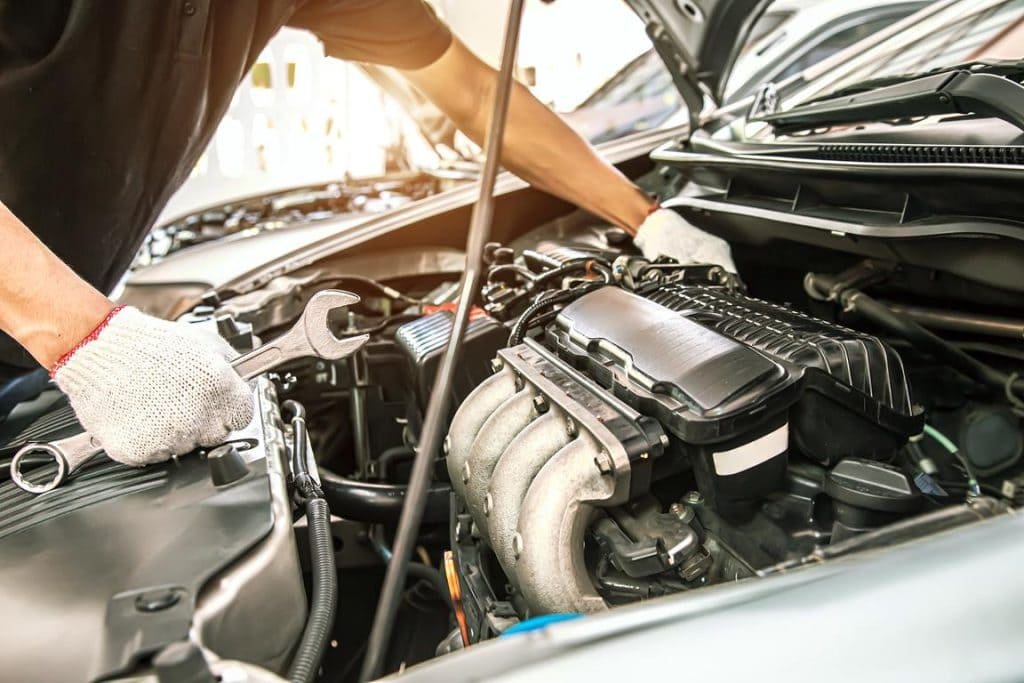
One of the most important investments you can make in your car is installing a new engine. How you care for your car after an engine replacement directly affects your new engine replacement lifespan and performance, whether you chose a low-mileage used engine, a reconditioned one, or a brand-new one. During its early existence, a new engine needs careful care, and its continuing maintenance must be tailored to its unique demands. There are many crucial procedures to take, from driving practices and cooling system inspections to oil changes and run-in routines. Ignoring them can shorten your new engine's lifespan and void its warranty. Vital procedures for maintaining your car after installing a new engine are outlined in this instruction.
Pay attention to the break-in procedure.
The first 500 to 1,000 miles of most fresh and refurbished engines usually demand a break-in period. Wear patterns are established, and the internal parts bed in during this period. Heavy loads, high speeds, and severe acceleration should all be avoided. Instead of keeping a consistent speed for long stretches of time, change up your driving and maintain a moderate engine speed. Always follow your mechanic's or engine supplier's advice, as some manufacturers recommend specific break-in methods. These guidelines protect your investment and help guarantee the engine's lifespan.
Change the Filter and Oil Sooner
An early oil and filter change is one of the most crucial procedures following replacement. Throughout the break-in phase, tiny metal bits generated during the bedding-in process have the potential to contaminate the oil. These particles are eliminated, and their wear-inducing effects are avoided by changing the filter and oil after the first 500 to 1,000 miles. After this first replacement, follow the manufacturer's suggested maintenance plan. Use the proper oil grade and specifications; incorrect oil can damage the engine and void your warranty.
Regularly check fluid levels.
Fluid levels should be examined more often than usual after a new engine is installed. In the first several weeks, often examine the engine oil, coolant, brake fluid, power steering fluid, and gearbox fluid. Since the piston rings are bedding in, new engines may use a little bit of oil; thus, it is acceptable to add occasionally. Nevertheless, a mechanic should look into any signs of unexplained fluid loss or excessive consumption. Preventing damage and ensuring efficient engine operation requires maintaining appropriate fluid levels.
Loose Connections and Leaks should be checked.
Many connections are necessary for installing new engines, such as hoses, pipes, gaskets, and electrical connections. Look for evidence of leaks in the engine bay after the first few trips. Check that all clamps and hoses are secure, and inspect for coolant, gasoline, or oil leaks. Also check the electrical connections to make sure they're secure. If you detect any loose connections or leaks, fix them straight away. Left unchecked, minor concerns have the potential to become significant difficulties.
Let the engine warm up and cool down.
Gentle warm-up and cool-down procedures are best for a new engine. Let the engine idle for one to two minutes before driving, especially in freezing weather, so the oil may circulate completely. Avoid revving the engine while it's still cold. Likewise, especially if the engine is turbocharged, let it idle for a moment after a long or difficult trip before turning it off. By doing so, the turbocharger and other parts are safeguarded against heat soak. Your new engine will last longer if you follow these easy maintenance procedures.
Utilise the Proper Fuel and Additives
Using the right gasoline is necessary for the health of your new engine. Follow the manufacturer's recommendations for fuel type and octane rating. Using a lower-grade fuel can decrease performance and perhaps cause damage if your engine is made for premium fuel. Use fuel additives with caution; some can help, while others may be unnecessary or even harmful. Always seek your mechanic's advice before putting anything in your fuel or oil. Optimal engine performance is maintained with high-quality fuel and the proper additives.
Conclusion
You must maintain your car after Replacement with attention and care, especially during the crucial running-in period. You can protect your investment and ensure reliable performance by following the running-in procedure, replacing the filter and oil sooner rather than later, monitoring fluid levels, and checking for leaks. Following a regular maintenance plan, using appropriate fuel, and practising prudent driving also extend the engine's lifespan. A brand-new engine is a huge investment, and if you take good care of it, you'll get the most use out of it and many miles of problem-free travel. With proper maintenance, your new engine will last you for many years.
Tags : .....