Most people find out their credit score matters at the worst possible moment.
You're sitting across from a loan officer, or you've just applied for an apartment you really want, and suddenly a three-digit number you've barely thought about becomes the most important thing in the room. The application gets denied. Or approved, but at an interest rate that makes your stomach drop.
Nobody really taught you how this system works. School didn't cover it. Your parents might not have known either. So you've been operating in a financial world where one invisible number quietly shapes major decisions: your home, your car, sometimes even your job and you've mostly been guessing at what moves it.
Let's fix that.
The Number Is Just a Summary
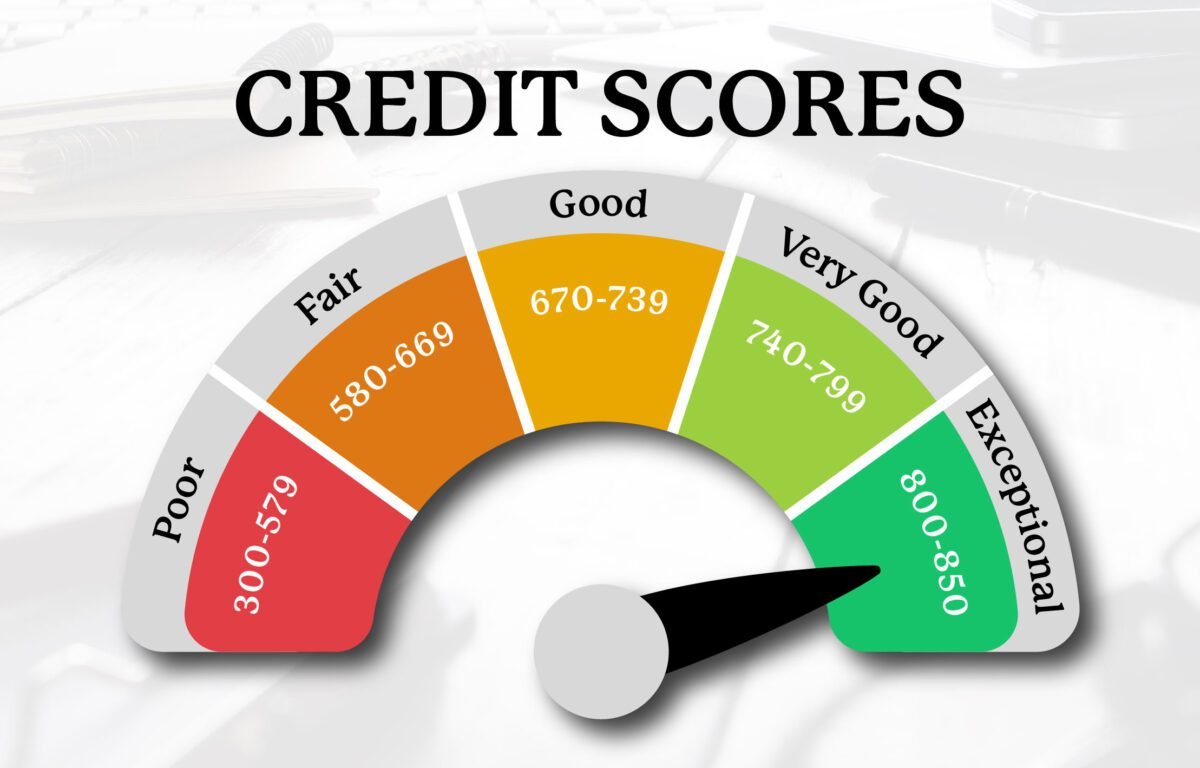
Your credit score sits between 300 and 850. Lenders generally consider anything above 670 as good, above 740 as very good, and above 800 as exceptional. But the score itself is just a summary. What actually matters is the five ingredients behind it because those are the things you can control.
Payment history makes up 35% of your score. Did you pay your bills on time? Every credit card, every loan, every instalment. One missed payment won't ruin you permanently, but it leaves a mark that takes time to fade. Consistent on-time payments even on small accounts build a track record lenders trust.
Credit utilization is 30%. This one surprises people. It's not just about whether you pay, it's about how much of your available credit you're using. If your card limit is ₹1,00,000 and your balance sits at ₹80,000, that's 80% utilization. Lenders see that as a warning sign. Keeping it below 30% ideally under 10% makes a real difference.
Length of credit history is 15%. The longer your accounts have been open, the better. This is why people advise you not to close old cards you rarely use; they're quietly lengthening your average account age.
Credit mix is 10%. Having different types of credit: a card, a car loan, a personal loan, shows you can handle varied financial responsibility. You don't need to borrow just to diversify, but it's worth knowing.
New inquiries are the final 10%. Every time you apply for credit, a hard inquiry hits your report. One or two is fine. Five in a month looks concerning and temporarily drops your score.
The Quiet Mistakes That Hurt You
Most credit damage isn't dramatic. It's small decisions that compound quietly over time.
Paying only the minimum. Your payment is technically on time, which protects your history. But your utilization barely moves, and interest keeps building. Minimum payments keep you current, they don't build strong credit.
Closing accounts after paying them off. It feels great to clear a card and shut it down. But closing it reduces your total available credit, which can push your utilization ratio up and it removes that account's age from your history over time. Keeping it open with occasional small purchases is usually the smarter call.
Never checking your credit report. Your credit report and your credit score are different things. The score is the number. The report is the full story every account, every inquiry, every payment. Errors are more common than people think. A settled account still showing as open. A payment marked late that wasn't. You're entitled to check it, and disputing genuine errors can improve your score without changing a single financial habit.
Only think about credit when you need it. The people with the strongest scores aren't scrambling six months before a home loan. They've been quietly doing the right things for years. By the time they need it, their score is just there - ready.
What You Can Actually Do This Week
Pull your credit report and read it properly. Look for anything unfamiliar or inaccurate and flag it. Check your credit card utilization ratio, if it's above 30%, pay down the balance or request a limit increase. That alone can move your score without changing your spending.
Set up autopay on every account. Not because minimum payments are your goal, but because life gets busy and missed due dates happen when you're not paying attention.
If you're starting from zero with no credit history, a secured credit card is one of the cleanest entry points. Use it for small regular purchases, groceries, a utility bill and pay it in full every month. Within a year, you'll have a score worth working with.
One thing that's becoming increasingly common in the lending world: lenders don't just look at your credit score anymore. They also look at your actual spending patterns and cash flow through your bank account. Pro Analyser's bank statement analysis tool helps lenders and financial professionals get a clearer picture of your real financial behaviour, not just the three-digit summary.
Why It's Worth Understanding
A strong credit score isn't a status symbol. It's a practical tool that determines how much you pay for borrowed money and over the course of a mortgage or car loan, that gap can run into lakhs of rupees.
More importantly, it's one of the few parts of your financial life you actually have meaningful control over. The system is learnable. Once you understand what it measures, it stops feeling like a verdict and starts feeling like a conversation you can participate in.
Start now. Your future self will thank you.
Tags : Finance lending credit score Loan Credit