A Work Integrated Learning Program (WILP) is an advanced education system that combines academic studies with practical workplace experience. In today’s competitive world, employers prefer candidates who not only have degrees but also understand how real industries function. WILP programs are designed to bridge this gap between theoretical education and professional skills. They allow students and working professionals to continue their education while gaining hands-on industry exposure, improving both knowledge and employability at the same time.
Many students choose WILP programs with admission and counseling support from Rudraack Solutions, which helps them select recognized universities, suitable courses, and flexible study modes aligned with their career goals.
What is a Work Integrated Learning Program (WILP)?
A Work Integrated Learning Program is an educational approach where structured academic learning is combined with real-world work experience. Instead of focusing only on classroom teaching, WILP emphasizes practical learning, workplace exposure, industry projects, and skill development.
This program allows learners to apply what they study directly in professional environments. For example, a student studying management can simultaneously work in a corporate office and understand real business operations while completing academic assignments.
The main purpose of WILP is to ensure that students graduate with both a recognized qualification and real job-ready experience.
Why WILP Programs Are Becoming Popular
Traditional education often focuses heavily on theory, which sometimes leaves graduates underprepared for workplace challenges. WILP programs solve this problem by integrating learning with actual professional experience.
Today, industries across sectors such as IT, business management, engineering, healthcare, and finance demand employees who can contribute immediately. WILP helps students gain this readiness early.
Another reason for the growing popularity of WILP programs is flexibility. Many learners cannot leave their jobs or personal responsibilities to pursue full-time education. WILP enables them to continue working while upgrading their qualifications.
Key Benefits of WILP Programs
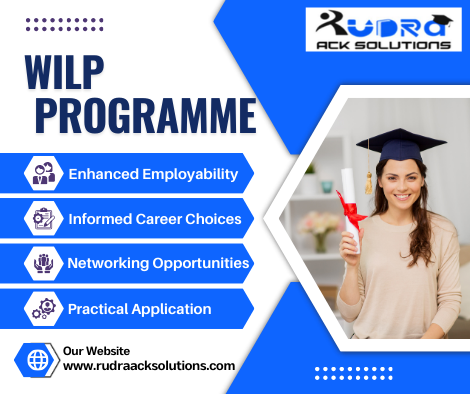
Enhanced Employability
One of the biggest advantages of WILP is improved job readiness. Students develop real-world skills and workplace understanding while studying, making them more attractive to potential employers. Companies often prefer candidates who already know professional workflows, communication structures, and industry practices.
By the time WILP students complete their degree, they already possess practical experience, which significantly increases their chances of employment.
Informed Career Choices
Many students are unsure about which industry or job role suits them best. Through WILP programs, learners gain exposure to different departments, business environments, and responsibilities.
This exposure helps them understand their interests and strengths. Instead of making career decisions based only on academic knowledge, they can make informed choices based on real professional experience.
Practical Application of Knowledge
WILP allows students to apply classroom learning directly in real-world situations. For example, management students can implement marketing strategies, analyze financial reports, or participate in operational planning within actual organizations.
This direct application strengthens understanding and improves long-term knowledge retention. Students learn not just “what” concepts are but also “how” and “why” they are used in practical situations.
Networking Opportunities
Professional networking is extremely important for long-term career growth. WILP programs allow students to interact with managers, mentors, colleagues, and industry professionals during their work experience.
These relationships can later help with job referrals, promotions, internships, partnerships, or business opportunities. Strong professional networks often become one of the most valuable assets in a person’s career journey.
Skill Development
Apart from academic learning, WILP programs focus heavily on soft-skill development. Students improve communication, teamwork, leadership, time management, problem-solving, and workplace ethics.
These skills are essential for success in any professional environment. Employers often value such competencies as much as technical qualifications.
Types of Courses Available Under WILP
WILP programs are available across multiple educational fields and levels. Some popular options include:
Management Programs
- MBA (Master of Business Administration)
- BBA (Bachelor of Business Administration)
- Executive Management Programs
Technical Programs
- Engineering Degrees
- IT and Software Programs
- Technical Diplomas
Professional Courses
- Project Management Programs
- Supply Chain and Logistics Courses
- Business Analytics Certifications
Students can choose programs based on their educational background, career goals, and industry requirements.
Duration of WILP Programs
The duration of WILP programs depends on the course level:
- Bachelor’s programs usually last 3–4 years
Master’s programs typically last 2 years - Professional certifications may range from 6 months to 1 year
Because WILP programs run alongside professional work, they are structured with flexible schedules, online learning modules, and weekend classes.
Eligibility Criteria for WILP Admission
Eligibility requirements vary depending on the program and university. However, common requirements include:
- Minimum educational qualification (12th pass for undergraduate programs, graduation for postgraduate programs)
- Employment proof for certain professional WILP programs
- Basic documentation and identity verification
Students often seek admission assistance from Rudraack Solutions to ensure they meet eligibility criteria and submit proper documentation.
Learning Structure in WILP Programs
WILP programs follow a blended learning structure combining:
- Online lectures and digital study materials
- Workplace assignments and projects
- Industry case studies
- Mentor feedback and performance evaluation
- Semester-based academic assessments
This balanced approach ensures both theoretical clarity and professional competence.
How WILP Helps Working Professionals
For working professionals, WILP programs provide a powerful opportunity to upgrade their qualifications without leaving their jobs. Many employees face career stagnation due to lack of advanced degrees. WILP allows them to continue earning while studying.
After completing a WILP program, professionals often become eligible for promotions, managerial roles, or salary increments. Employers also appreciate employees who invest in skill development and higher education.
Industries That Value WILP Graduates
WILP graduates are in demand across many industries, including:
- Information Technology
- Banking and Finance
- Manufacturing
- Healthcare Management
- Logistics and Supply Chain
- Retail and E-commerce
- Consulting Firms
Because these graduates already possess workplace experience, companies often require less training after hiring them.
WILP Admission Support and Student Services
Selecting the correct WILP program can be challenging because of the large number of universities and course options available today. Admission guidance providers like Rudraack Solutions assist students throughout the entire process.
Services Include
- Free career counseling
- University comparison and selection
- Eligibility verification
- Complete admission documentation support
- Guidance for working professionals
- Course and specialization selection help
- Continuous academic support during the program
Such services ensure a smooth admission process and reduce confusion for students.
Challenges Students May Face Without WILP
Students who complete only theoretical education sometimes struggle with:
- Lack of workplace confidence
- Limited industry exposure
- Difficulty handling real projects
- Communication challenges in professional settings
WILP programs help eliminate these issues by preparing students for real industry environments during their education itself.
Future Scope of WILP Programs
With industries rapidly evolving and competition increasing globally, education systems are shifting toward practical skill-based learning. WILP represents this future-focused approach.
Experts predict that more universities and companies will adopt integrated learning models because they produce more competent and job-ready graduates.
For students planning long-term career stability, choosing WILP can be a strategic decision.
Who Should Choose a WILP Program?
WILP is ideal for:
- Students wanting early industry exposure
- Working professionals seeking promotions
- Employees planning career shifts
- Individuals wanting flexible higher education
- Learners aiming for practical skill development
Because WILP combines education with real experience, it suits both beginners and experienced professionals.
Step-by-Step WILP Admission Process
- Select your preferred course and specialization
- Check eligibility requirements
- Choose a recognized university
- Submit application and documents
- Confirm admission and begin classes
Students can complete this process easily with admission guidance from Rudraack Solutions, which simplifies enrollment and provides expert counseling.
Final Conclusion
A Work Integrated Learning Program (WILP) is one of the most effective modern education systems designed to prepare students for real professional success. By combining academic learning with workplace experience, WILP helps learners build strong industry knowledge, practical skills, professional networks, and career confidence.
It improves employability, supports informed career decisions, strengthens theoretical understanding through real application, and develops essential workplace competencies such as communication, teamwork, and leadership.
For students and professionals who want flexible education with strong career outcomes, WILP is an excellent choice. With proper course selection and admission assistance from Rudraack Solutions, learners can confidently start their WILP journey and move toward a stable, successful, and growth-oriented professional future.