Pregnancy brings incredible changes to the body, but it can also come with discomforts such as swollen feet, leg fatigue, and general aches. Many expectant mothers look for natural ways to relax and ease tension at home. One popular wellness tool is the wooden foot massage roller. But an important question often arises: Are wood foot massage rollers safe during pregnancy? This FAQ article explores the benefits, precautions, and expert considerations to help you make an informed decision about using wood foot massage tools while expecting.
FAQ 1: What is a wood foot massage roller?
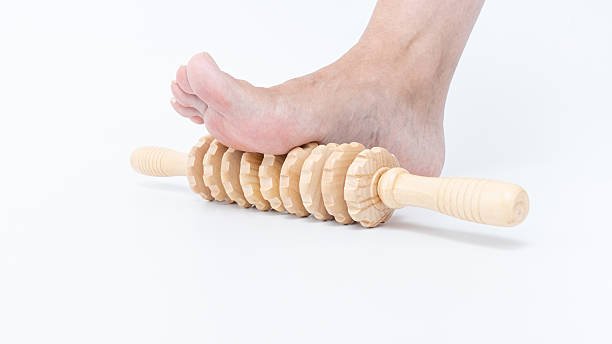
A wood foot massage roller is a handheld or floor-based tool, usually made from smooth, natural wood, designed to stimulate pressure points on the soles of the feet. It works by gently rolling the feet over textured or contoured wooden surfaces. Many people use it to relieve tension, improve circulation, and promote relaxation after a long day.
These rollers are often inspired by reflexology practices, which believe that certain points on the feet correspond to different areas of the body. While reflexology itself can be beneficial, pregnancy requires extra care and awareness.
FAQ 2: Is it generally safe to use wooden foot massage rollers during pregnancy?
In most uncomplicated pregnancies, gentle foot massage can be safe when done correctly and cautiously. However, pregnancy is not the same for everyone. Hormonal changes increase sensitivity, and certain pressure points on the feet are traditionally associated with uterine stimulation.
The key factor is how the massage is performed. Light, soothing movements are generally considered safer than deep, forceful pressure. Any form of intense or aggressive rolling should be avoided unless approved by a qualified healthcare professional.
FAQ 3: Why do some people warn against foot massage during pregnancy?
The concern mainly comes from reflexology theory. According to reflexology maps, areas around the heels, ankles, and inner arch of the foot are believed to be linked to the uterus and pelvic region. Strong stimulation of these points is thought to potentially trigger contractions, especially in later stages of pregnancy.
While scientific evidence on this is limited, many midwives and healthcare providers advise caution. The goal is relaxation, not stimulation.
FAQ 4: Can a wood foot massage help with pregnancy discomfort?
When used gently, a wooden foot massage roller may help relieve common pregnancy-related issues such as:
Tired, achy feet
Mild swelling due to fluid retention
General stress and tension
Poor circulation from prolonged standing or sitting
A calm, slow wood foot massage session can promote relaxation and body awareness, which is often beneficial during pregnancy. However, it should never replace medical advice or treatment.
FAQ 5: How should a pregnant woman safely use a wooden foot massage roller?
Safety comes down to technique and awareness. If you choose to use a roller during pregnancy, consider the following guidelines:
Use very light pressure
Limit sessions to 5–10 minutes
Avoid the heel and ankle area
Stop immediately if you feel discomfort, cramping, or dizziness
Always sit down rather than standing while massaging
Listening to your body is essential. Pregnancy is not the time to “push through” discomfort.
FAQ 6: When should wooden foot massage be avoided completely?
There are certain situations where foot massage tools should be avoided unless a doctor or midwife gives clear approval. These include:
High-risk pregnancies
History of preterm labour
Placenta-related complications
Severe swelling or sudden oedema
Pre-eclampsia or blood pressure concerns
If any of these apply, it’s best to avoid using massage rollers altogether.
FAQ 7: Are wooden massage tools better than electric foot massagers during pregnancy?
Wooden massage tools are manual, meaning you control the pressure and speed. This makes them generally safer than electric foot massagers, which can apply strong, continuous stimulation without precise control.
Because wooden rollers are simple and natural, many expectant mothers feel more comfortable using them carefully at home. Quality handcrafted options, such as those offered by CCcollections, are often designed with smooth finishes to reduce irritation and improve comfort.
FAQ 8: Should you consult a healthcare professional first?
Yes, absolutely. Before adding any massage tool to your routine during pregnancy, it’s wise to speak with your midwife, GP, or obstetrician. They understand your medical history and can advise whether gentle foot massage is suitable for you.
A healthcare professional may also suggest safer alternatives such as prenatal yoga, warm foot soaks, or professional prenatal massage from a certified therapist.
FAQ 9: Can wooden foot massage be used after pregnancy?
After childbirth, wooden foot massage rollers can be extremely helpful. Postpartum recovery often involves fatigue, stress, and sore muscles from carrying and caring for a newborn. At this stage, the restrictions around reflex points are generally reduced, making foot massage a more flexible wellness option.
Many new mothers reintroduce wood foot massage into their self-care routine during postpartum recovery to encourage relaxation and circulation.
FAQ 10: What should you look for in a pregnancy-friendly wooden foot massage roller?
If you decide to purchase a roller, look for:
Smooth, splinter-free wood
Ergonomic design
Non-toxic finishes
Stable construction
Brands like CCcollections focus on natural materials and thoughtful craftsmanship, which can make a noticeable difference in comfort and safety when used correctly.
Final Thoughts
Wooden foot massage rollers can offer gentle relaxation and relief when used mindfully during pregnancy. The key is moderation, light pressure, and professional guidance. Every pregnancy is unique, and what feels soothing for one person may not be suitable for another.
When in doubt, always prioritise medical advice over wellness trends. With care and awareness, simple self-care tools can support comfort without compromising safety.
Tags : wood foot massage