Wisconsin’s Battle with Human Trafficking: Community and Law Enforcement Efforts
By Nadiesel Parts 25-09-2025 62
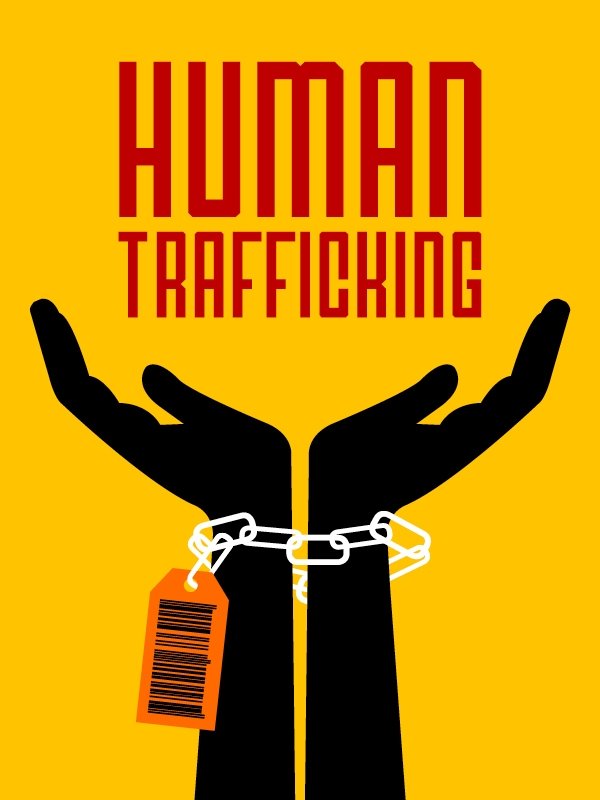
Introduction:
Lots of complications disturb Wisconsin, but one of the most severe and hidden is human trafficking. The problem harms people of all ages, particularly those who are struggling with poverty, unbalanced housing, or a deficiency of family support. Traffickers take advantage of these struggles and force people into tough labor or exploitation. The Fighting against this problem is not something one group can do alone but it requires teamwork and continuing effort. Police, local groups and community members are working together for this purpose to catch traffickers, provide relief to survivors, and spread awareness all over.
After joining community support with state means, Wisconsin is becoming stronger in the fight against trafficking and producing safer paths for people who are in danger.
Hidden Realities: How Trafficking Impacts Wisconsin
Human trafficking in Wisconsin is more common than many people think. It happens in equally large cities and minor towns. Victims can be forced to work on farms, in hotels, in houses, in construction, or in the trade. The exact number of cases is unidentified, as many are never stated, but professionals say hundreds of people are disturbed by this each year. Victims stay silent often as they are afraid of punishment, deportation, or do not believe in the police. Some do not even realize they are being trafficked. Knowing how common this issue is helps in discovering better ways to discontinue it.
Law Enforcement on the Frontlines
Police in Wisconsin play a key role in fighting human trafficking. They do more than only make arrests. They work to end trafficking before it happens, defend victims, and take traffickers to justice. Their teamwork ensures that victims are harmless and traffickers are caught.
• Particular police teams switch trafficking cases between cities and small towns.
• Officers look at hotels, bus stations, airports, and the internet for symbols of trafficking.
• Police work with close states to discontinue traffickers who cross borders.
• Training benefits officers to support victims with care and understanding.
• Police share info with each other to discover trafficker’s sooner.
Communities as the First Line of Defense
Communities play an essential role in preventing human trafficking. People can assist after remaining conscious and looking for threatening signs. Local groups can run workshops, school programs and consciousness events to teach others how to report securely and find support. Neighborhood watch groups and social media make it stress-free to share info and notice suspicious activity. Community members can also volunteer, offer survivor services or join movements that push for stronger protections.
Churches, healthcare staff and teachers offer more support by providing safe places for victims. When everybody works together, communities grow into stronger, protect the weak people, and end trafficking earlier.
Supporting Survivors Beyond Rescue
Recovering from trafficking takes more than only police action. In Wisconsin, survivors are given key assistance like counseling, safe housing, health care, and job training. These services ensure their basic requirements are met and support them in feeling secure again. Local nonprofits work in collaboration with state agencies, police, and doctors to construct a strong support system that can react to the diverse struggles survivors face.
The next step is to assist the survivors in restructuring their lives. This includes support for curing from trauma, learning money skills, discovering jobs, and ongoing education. Programs are intended to respect fighters of all ages, and backgrounds, so no one feels left out. By concentrating on safety, freedom, and community belonging, Wisconsin supports survivors not only to get well but also to move onward with hope.
Smart Tools for Fighting Trafficking
Technology’s Two Sides: Technology can benefit or harm in the fight against human trafficking. Traffickers use social media, chat apps, and websites to trick, recruit, or control victims. This makes it tougher for police and communities to end them.
Helpful Tools: Police and support groups now use clever tools to fight back. Computer programs and artificial intelligence (AI) can discover uncommon online activity, track dangerous behavior, and end crimes in a timely manner. Digital tools also help investigators follow traffickers across changed places and unseen sites.
Easy Ways to Report: Mobile apps and hotlines offer people safe and private methods to report trafficking. Social media is too often used to raise awareness, teaching people how to recognize threatening signs and act rapidly.
Safer Communities: These clever tools not only catch traffickers but also make communities aware and safe from damage.
Conclusion:
To conclude, fighting human trafficking in Wisconsin is not something just police or service groups can do—it takes everybody’s help. Every person can take part by learning the symbols, reporting all doubts, supporting survivors, or spreading consciousness in their community. Schools, churches, doctors, and local groups can also work together to stop trafficking. Donating money, giving time as a volunteer, or even sharing useful information all make a change. We can make safer lives for survivors and stronger, safer communities for all by growing support services for victims and improving investigations.
Tags : Human Trafficking